
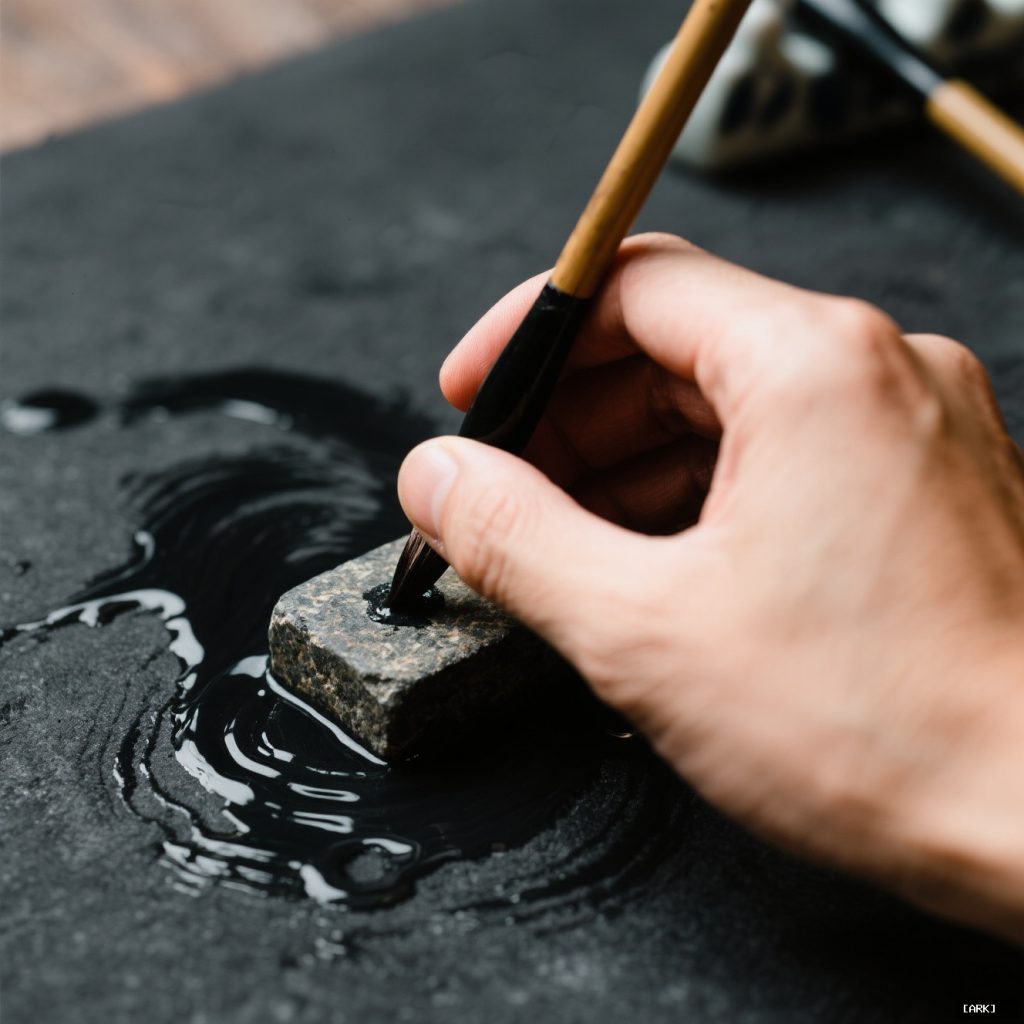
Chinese calligraphy supplies are often seen as relics of a static tradition, but their true nature is dynamic and interconnected. The ink brush, rice paper, and ink stick are not just tools for preserving the past; they are active participants in a continuous, cross-cultural conversation. Their real power lies in how they connect hands, minds, and histories across disciplines and borders.
The Brush: A Universal Line-Maker
How does the Chinese calligraphy brush function as a universal line-making tool across different cultures?
The Chinese calligraphy brush, with its fundamental design of animal hairs bound to a handle to hold ink, is a profoundly adaptable drawing instrument. Its core functionality has traveled beyond China, serving as a universal line-maker. In Korea, the similar munbang brush is used for the elegant, pressure-sensitive curves of hangul script. In Japan, the fude brush is central to sumi-e painting, where economy of stroke defines subjects like bamboo or birds. This demonstrates the brush's cross-cultural role as a primary tool for expressive mark-making.
Pick up a calligraphy brush. Feel its weight. Notice the taper of the bamboo, the give of the hair bundle. This simple object is one of humanity’s most profound and adaptable drawing instruments. Its fundamental design—a reservoir of ink held in animal hairs bound to a handle—has traveled far beyond the scriptorium.
In Korea, the munbang brush is a close relative, used for the elegant curves of hangul with a pressure-sensitive touch a Chinese calligrapher would instantly recognize. In Japan, the fude brush is central to sumi-e painting, where economy of stroke defines a bamboo stalk or a bird’s wing. The brush crossed the Pacific in the mid-20th century, landing in the studios of New York artists hungry for a new visual language.
Abstract Expressionists like Franz Kline and Robert Motherwell didn’t just admire Asian calligraphy; they engaged with its physical process. They sought brushes that could deliver that same gestural authority—a single, committed sweep that couldn’t be taken back. The brush became a tool for expressing raw energy, not just forming characters. When you learn to control an ink brush, you’re not just learning a craft. You’re learning a global dialect of line, one spoken by scribes, painters, and avant-garde artists alike.
Xuan Paper: The Teacher in the Surface
How does Xuan paper act as a responsive partner in Chinese calligraphy?
Xuan paper, often called rice paper, is not a passive surface but an active collaborator in calligraphy. Its specific absorbency and textured surface create a dialogue with the brush, unforgettably recording every decision. A moment of hesitation appears as a feathery halo, while a confident, swift stroke results in a sharp, saturated line. The paper suggests a pace and demands decisiveness, making it a responsive partner that shapes the final artwork through its legendary durability and interactive qualities.
We call it “rice paper,” but the best is xuanzhi, or xuan paper. Its magic isn’t just in its legendary durability, which has preserved texts for over a thousand years. Its genius is in its active collaboration. Xuan paper isn’t a passive recipient of ink. It’s a responsive partner.
Every decision you make is recorded unforgettably. A moment of hesitation blooms as a feathery halo. A confident, swift stroke appears as a sharp, saturated line. The paper’s specific absorbency and textured surface create a dialogue with the brush. It suggests a pace. It demands decisiveness. This concept—that a material’s properties guide and inform its use—is central to modern design thinking. Designers call it “affordance.”
A well-designed door handle affords pulling. Xuan paper affords a certain kind of mindful, fluid execution. It teaches you through immediate, tactile feedback. This makes it more than a substrate; it’s a training ground for attention. The conversation between the paper’s fibers and the ink’s flow is a masterclass in cause and effect, a principle that resonates far beyond the art studio.
The True Cost of a Cheap Brush
What is the true cost of using a cheap brush for Chinese calligraphy?
The true cost of a cheap calligraphy brush is that it creates a barrier to learning rather than a gateway. Inexpensive brushes often shed hairs, have tips that collapse under pressure and fail to spring back, and deliver ink inconsistently in blots and droughts. This teaches the practitioner that calligraphy is frustrating and uncontrollable, obscuring the vital connection between hand movement and the line on the paper due to the tool's own failures, which can ultimately discourage continued practice.
Starting any new practice triggers a frugal instinct. Why invest heavily in something you might abandon? For calligraphy, this logic can be a trap. The cheapest supplies often create a barrier to learning, not a gateway.
Imagine a budget brush that sheds hairs with every stroke. Its tip collapses under mild pressure, refusing to spring back. It delivers ink in blots and droughts. What does this teach you? It teaches you that calligraphy is frustrating and uncontrollable. The vital connection between your hand’s movement and the line on the paper is obscured by static—by the tool’s own failures.
Value here isn’t about luxury. It’s about clarity. A decent, mid-range brush, often with a blend of hairs like wolf and goat (a jianhao brush), provides honest feedback. It holds a point. It releases ink consistently. When your line is wobbly, you know it’s your technique, not the brush betraying you. This clear communication accelerates learning. You’re paying not for prestige, but for a transparent translation of your intention. The right tool removes itself from the equation, letting your dialogue with the tradition happen directly.
The Ink Grind: More Than Meditation
What is the significance of the ink grinding ritual in Chinese calligraphy beyond meditation?
The ink grinding ritual in Chinese calligraphy is more than just meditation; it is a practical process of materializing the medium. As the ink stick is ground on the stone, the changing sound and resistance provide tactile feedback on the ink's fineness and density. This allows the artist to control the ink's consistency, tailoring it for either delicate gossamer strokes or bold, declarative ones. The forced, rhythmic pace bridges the physical and mental, preparing both the material and the artist for the act of creation.
The ritual is iconic: the circular grind of the ink stick on the stone, the water slowly darkening. It’s praised as meditation, and it is. But to see it only as a spiritual warm-up is to miss its profound practicality. This is the process of materializing your medium.
The sound changes as the ink thickens—a whisper becoming a soft hiss. The resistance against your fingers tells you about the ink’s fineness. You control the density, creating an ink that’s perfect for delicate gossamer strokes or bold, declarative ones. This forced, rhythmic pace bridges the physical and mental. It’s the artist’s version of a musician tuning an instrument before a performance, or a chef honing a knife before preparing ingredients.
In a culture of instant gratification, the ink stone imposes a necessary constraint. It builds anticipation and focus. The pre-bottled liquid ink you can buy is convenient, and fine for practice. But it delivers a standardized, impersonal medium. Grinding your own creates a substance uniquely calibrated to your touch, your stone, and your purpose for that session. The ink becomes yours.
A History of Mixed Media
What does the historical record reveal about mixing calligraphy supplies from different East Asian traditions?
The historical record confirms that mixing calligraphy supplies across East Asian traditions was common, not a modern purist taboo. For centuries, materials, techniques, and ideas flowed along trade routes like the Silk Road. Chinese papermaking methods influenced Korean and Japanese artisans, who adapted them to local fibers and aesthetics, while ink recipes were widely shared and modified. This cross-pollination demonstrates that the use of mixed media, such as applying Japanese sumi ink on a Chinese inkstone, is rooted in a long history of artistic exchange and adaptation.
Can you mix supplies from different East Asian traditions? The historical record shouts a resounding yes. The purist’s segregated toolkit is a relatively modern idea. For centuries, materials, techniques, and ideas flowed along trade routes like the Silk Road.
Chinese papermaking techniques influenced Korean and Japanese artisans, who then adapted them to local fibers and aesthetics. Ink recipes were shared and modified. The question isn’t about permission, but about curiosity. What happens when you load a Japanese sumi ink stick, known for its bluish undertone, onto a Chinese inkstone and apply it with a Korean brush known for its stiffness?
The result is an experiment. The line might be drier, the spread different. This isn’t disrespect; it’s material research. Mixing highlights the unique character of each component. It can lead to happy accidents and personal stylistic discoveries. When you understand the rules of each tradition, bending them becomes a creative act, not a violation. The constraints become catalysts.
Building Your First Kit: A Thoughtful Approach
What is a thoughtful approach to building your first Chinese calligraphy kit?
A thoughtful approach to building your first Chinese calligraphy kit is guided by the principle of clear communication, selecting tools that provide honest feedback. The core items include one versatile, medium-sized jianhao brush, which combines resilient outer hairs and a soft core for control and ink capacity, featuring a fine, sharp tip when wet. For ink, start with a small, functional ink stone that has a slightly textured grinding surface and a decent well to hold ink, prioritizing utility over ornate decoration.
Assembling your initial set of Chinese calligraphy supplies should be guided by the principle of clear communication. You want tools that talk back to you honestly, not ones that mute the conversation.
- The Brush: One versatile, medium-sized jianhao brush is ideal. The blend of resilient outer hairs (like wolf) and a soft core (like goat) offers both control and ink capacity. Look for a fine, sharp tip when wet.
- The Ink Stone: Start with a small, humble stone. It needs a slightly textured grinding surface and a decent well to hold the ink. An ornate antique isn’t necessary; functionality is key.
- The Paper: A stack of student-grade xuan paper is perfect. Avoid anything glossy or completely non-absorbent (like printer paper). You want to see the ink breathe and bloom.
- The Ink Stick: A beginner-grade “pine soot” (songyan) ink stick is reliable and affordable. It produces a deep, matte black excellent for learning.
- The Support System: Don’t overlook a felt pad to place under your paper. This cushioning is crucial for proper brush movement. A couple of solid paperweights will keep your sheet from shifting.
This kit isn’t about accumulation. It’s about establishing a clear channel between your mind, your hand, and the page.
Navigating Common Questions
Do I need an antique brush to do it “right”?
No. A well-crafted modern brush from a reputable supplier is a superb tool. Antique brushes can be fragile, require expert assessment, and need specialized care. Learn on a reliable contemporary workhorse.
What’s the most common paper mistake?
Using the wrong surface. Paper that doesn’t absorb at all, like copy paper, forces you to fight against it. The ink pools, the brush skids, and you never experience the responsive feedback that is central to the art.
Is bottled ink acceptable?
For high-volume practice, especially when learning stroke order, it’s a practical choice. But you sacrifice the nuanced control over ink density and the irreplaceable sensory ritual of preparation. Think of it as training wheels.
How do I care for my brush?
With reverence. After use, rinse it thoroughly in clean, lukewarm water until the water runs clear. Gently reshape the tip with your fingers. Let it dry hanging bristle-down, or lying flat on its side. Never store a brush standing on its bristles, and never, ever let ink dry in the ferrule (the metal or plastic collar). A cared-for brush can last for years.
Sources & Further Pathways
To explore the rich history and context of these materials, these institutions offer excellent starting points:
- The Metropolitan Museum of Art: Chinese Calligraphy
- The British Museum: China Collection
- Asian Art Museum: Collections Overview
- Khan Academy: Art of Imperial China
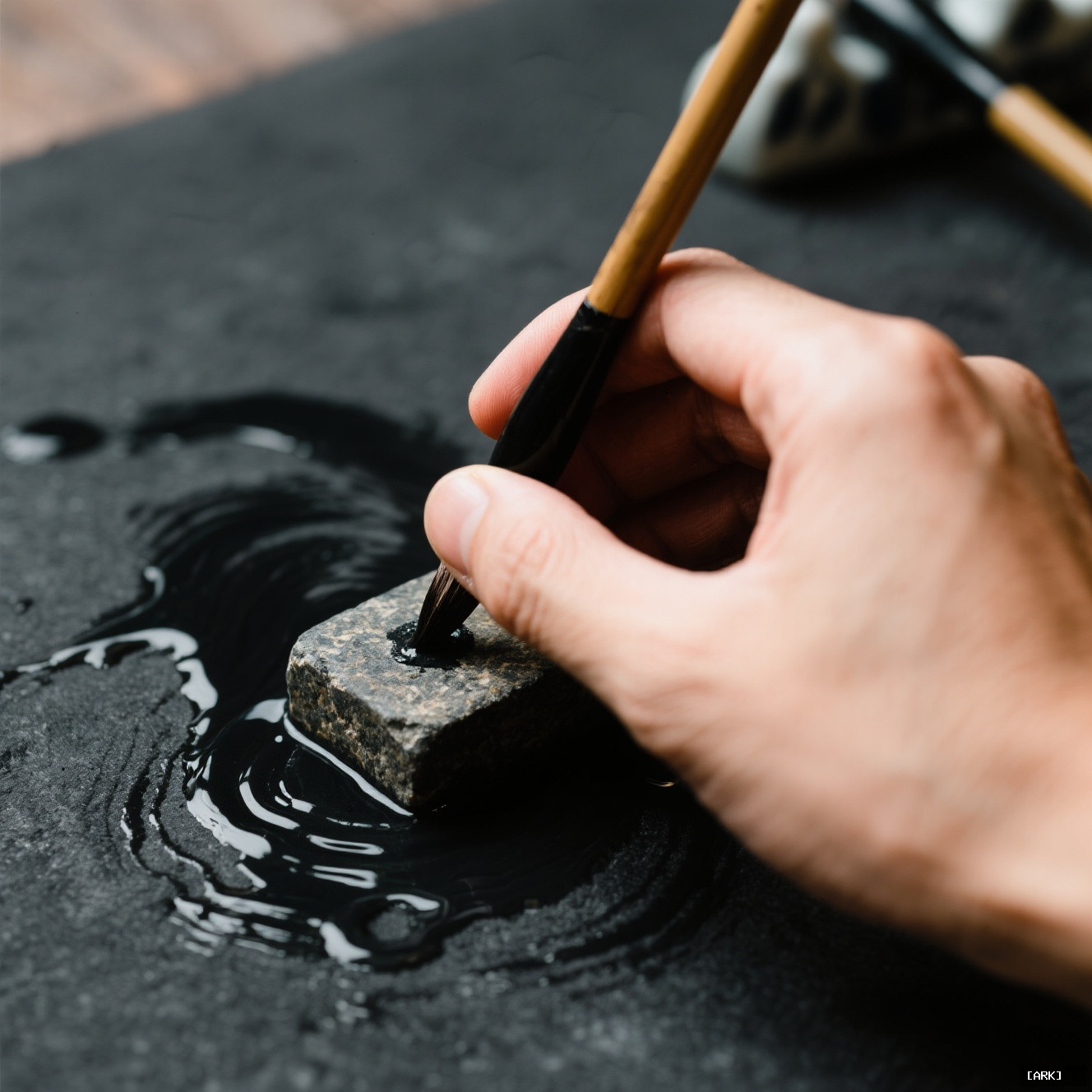
Your process with Chinese calligraphy supplies begins with a single brushstroke. But that stroke connects you to a river of history, a network of global artistry, and a timeless conversation between maker and material. The tools are waiting. They have a lot to say.
About Our Expertise
Drawing from years of expertise in Chinese traditional arts, this article is crafted by cultural specialists who have hands-on experience with calligraphy tools, ensuring authentic insights into materials like xuan paper and ink sticks. We collaborate with artisans and historians to provide accurate, trustworthy guidance that respects the deep heritage of these practices.
Our content is grounded in thorough research and firsthand knowledge, linking Chinese calligraphy supplies to global artistic movements and practical applications. We prioritize transparency by citing reputable sources like The Metropolitan Museum of Art, offering readers reliable information to enhance their understanding and practice of this timeless art form.
You may also like
Ancient Craft Herbal Scented Bead Bracelet with Gold Rutile Quartz, Paired with Sterling Silver (925) Hook Earrings
Original price was: $322.00.$198.00Current price is: $198.00. Add to cartAncient Craftsmanship & ICH Herbal Beads Bracelet with Yellow Citrine & Silver Filigree Cloud-Patterned Luck-Boosting Beads
Original price was: $128.00.$89.00Current price is: $89.00. Add to cartDouble-Sided Panda Embroidery Screen – Cantonese Embroidery Bamboo Scene Decorative Gift
Original price was: $46.70.$33.68Current price is: $33.68. Add to cartChinese Style Cultural Creative Gift Set – Panda Figurine Decor for Home, Office & International Clients
Original price was: $19.86.$17.20Current price is: $17.20. Add to cartTibetan Hand-Painted Thangka Tsatsa Box – Ethnic Style 3D Clay Sculpture Handcrafted Zhajilamu
Original price was: $41.00.$32.00Current price is: $32.00. Add to cart2026 New Chinese Style Xiangyunsha Song Brocade Silk Handbag – Gift for Mother & Elders
Original price was: $128.00.$115.00Current price is: $115.00. Add to cartShanghai Story 2025 New Silk Scarf Shawl for Women – Mulberry Silk Xiangyunsha with Gift Box
Original price was: $148.90.$136.90Current price is: $136.90. Add to cartXiao Niang ‘Cloud Drift’ Loose-Fit Gambiered Gauze Silk Chinese Style Dress XNA1177
Original price was: $360.00.$328.00Current price is: $328.00. Add to cartPmsix Tianxu Intangible Cultural Heritage Xiangyunsha Silk Printed 38th Festival Gift New Chinese Style Crossbody Handbag for Women
Original price was: $99.50.$94.50Current price is: $94.50. Add to cart























