
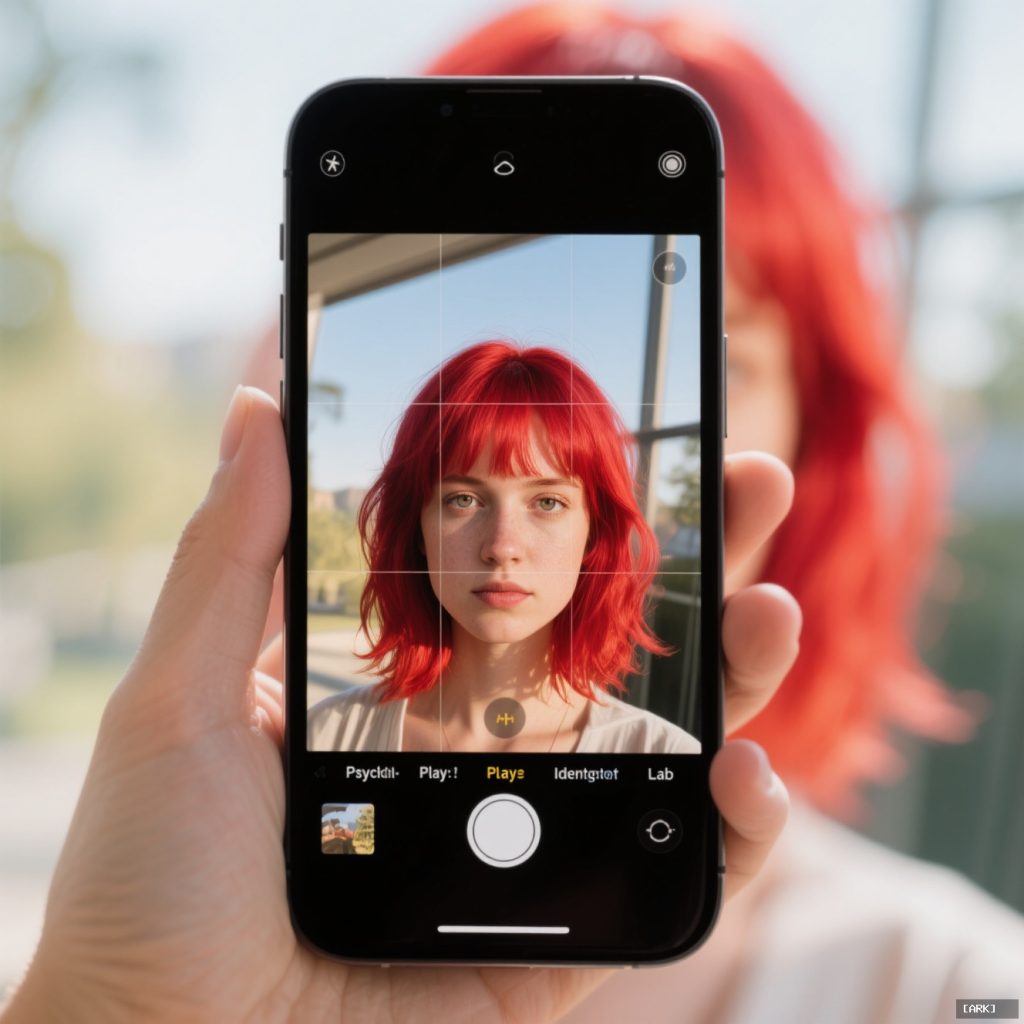
An AI hair color changer is more than a fleeting filter. It’s a gateway to exploring identity, a virtual hair color experiment that asks for nothing but your curiosity.
We’ve all scrolled past that ad. The one where someone taps their screen and their dark brunette waves transform into a cascade of rose gold. It looks like magic, but the real magic isn’t in the pixel-perfect transition. It’s in the profound shift happening just beneath the surface of our screens. This technology, often dismissed as a simple toy, is quietly reshaping how we think about self-expression, consumption, and the very rituals of beauty.
For decades, changing your hair color was a declaration. It involved appointments, chemical smells, stained towels, and a very real, very permanent result. It was a material commitment with a physical trail—empty bottles, foil wrappers, a distinct scent that lingered in the bathroom. The AI hair color changer dismantles that entire process. It extracts the core desire—the “what if?”—and fulfills it in a space of pure potential. Your phone becomes a mirror to a thousand different versions of yourself, each one requiring zero cleanup.
This isn’t about rejecting reality. It’s about expanding it. It’s about granting ourselves permission to play with identity in a way that feels safe, sustainable, and surprisingly introspective.
The Psychology of Play: A Low-Stakes Identity Lab
Why does trying on a virtual hair color feel so liberating? The answer lies in the psychology of low-stakes experimentation. Our appearance is intimately tied to our sense of self. A drastic physical change, even a positive one, can be emotionally taxing. What if I hate it? What will people say? The financial cost and the months of growing it out loom large in our decisions.
An AI hair styling tool removes those barriers entirely. The mental weight of a bad dye job evaporates. You can embody a fiery redhead during your lunch break, switch to a sophisticated silver for an evening virtual event, and return to your natural shade before bed. This freedom isn’t frivolous. It creates a playground where you can test-drive aspects of your personality. That bold electric blue might not be for the office, but trying it on might reveal a hidden love for vibrancy you can express through your wardrobe or artwork instead.
It turns the often-anxious process of permanent change into a daily, playful ritual. This is mindfulness through avatar-editing. For a few minutes, you are wholly focused on your own image, asking a simple but powerful question: “How do I want to feel today?” The color you choose becomes an answer, a mood ring for the digital age.
The Unseen Environmental Thread
Every bottle of physical dye on a shelf tells a story of resource extraction, industrial production, plastic packaging, fossil-fueled shipping, and eventual disposal, often with chemical residues entering our waterways. The beauty industry’s environmental footprint is substantial, with hair color being a significant contributor due to its chemical complexity and frequent use.
A digital hair dye app interrupts that cycle before it even begins. While it doesn’t solve the systemic waste issues of fast fashion or mass production, it does something subtle and important: it normalizes the idea of satisfying a creative urge without generating immediate physical waste. It offers a moment of material detachment.
Think of it as a digital sampler. Before you commit to buying a full album, you listen to a track. Before you invest in the physical process of coloring your hair, you live with the color on your screen for a week. This can prevent impulsive salon visits and the subsequent regret that leads to corrective dyes—a cycle that doubles the chemical load. It promotes intentionality, and intention is the first step toward sustainable consumption.
Ritual in the Digital Age
Can tapping on a smartphone screen truly become a meaningful ritual? Absolutely. Rituals are defined by intention and repetition, not by their physical components. For many, the morning coffee is a ritual. It’s not just about caffeine; it’s about the measured scooping of grounds, the sound of the brew, the quiet moment before the day begins.
An AI hair color ritual operates on the same principle. The act itself—taking a deliberate pause to choose a color that resonates with your current mood—can be a grounding practice. It’s a modern-day version of choosing a signature scent or a piece of jewelry that holds meaning. The ritual isn’t in the chemical process or the salon chair, but in the intentional pause and the conscious decision about how you wish to interface with the world, even if only digitally for a moment.
This micro-ritual creates a bridge between your inner state and your outer presentation. It’s a small act of self-authorship that can set the tone for your day, providing a sense of control and creative agency in a world that often feels chaotic.
Navigating Trends with a Safety Buffer
Beauty trends move at the speed of the internet. One week, everyone is “expensive brunette”; the next, it’s “strawberry girl” summer. This constant churn can fuel impulsive decisions and beauty fatigue. The pressure to keep up is real, and the consequences of a trend-driven mistake are literally etched onto your hair.
Virtual hair color technology creates a critical distance between impulse and action. You can ride the wave of a trend virtually for as long as you like. You can test that pastel lavender on your own face, in your own lighting. Often, the urge passes once the novelty wears off on screen, helping you avoid the regret of a costly, damaging, or simply unflattering physical change.
This buffer is empowering. It allows you to discern what you genuinely love from what’s merely momentarily intriguing. It transforms trend-chasing from a potentially expensive gamble into a form of personal research. You become the curator of your own look, informed by data gathered on the most important subject: yourself.
Practical Pathways: Building Your Own Practice
Ready to move beyond casual play and build a thoughtful practice around this tool? Here’s a guide to deepen the experience.
Start Simple and Observe
Don’t jump straight to neon green. Anchor yourself by first replicating your natural color perfectly. Then, shift just one shade lighter or darker. Notice the subtle difference it makes to your perceived features. This gentle start builds familiarity and highlights how small changes can have significant effects.
Create a Time Anchor
Link your experimentation to an existing part of your routine. Perhaps it’s with your morning coffee, as a creative break between work tasks, or during your evening wind-down. This consistency transforms it from a random app use into a ritual.
Document the process
Save your favorites. Don’t just look and close. Create a private album of your virtual looks. After a few weeks, review it. Do you see patterns? Do certain colors—a warm caramel, a cool ash brown—recur on days you feel confident or calm? This isn’t vanity; it’s data collection on your aesthetic psychology.
Shift the Social Script
Instead of sharing a salon selfie with a friend, share a virtual look. Frame the conversation differently. Discuss the *feeling* the color evokes. “This burgundy makes me feel powerful,” or “This honey blonde feels so optimistic.” This moves the chat from product formulas and salon costs to emotion and identity.
Embrace the “Anti-Self”
Once a month, try a color you are certain you’d hate in real life. The garish orange, the jet black you think is too severe. Do it just for the curiosity. Sometimes, exploring what we dislike clarifies what we truly love. Other times, it might surprise you, challenging your own rigid self-perception.
Navigating Common Questions & Concerns
As with any tool, mindful use is key. Let’s address some frequent questions.
Are these apps accurate for predicting real results?
They are inspirational, not infallible. Screen lighting, your phone’s display calibration, and the simulation of hair texture and underlying pigment have limits. View them as a fantastic mood board, not a precise architectural blueprint. Always consult a professional colorist for real-world advice.
Isn’t this just escaping reality?
It’s more about exploring the layers of identity. The self is multifaceted. Virtual tools let us play with those facets without physical anchors, which can actually lead to greater self-awareness and confidence in our “real world” choices.
Could this technology fuel dissatisfaction?
It can, if used as a constant comparison tool. The line between playful exploration and negative fixation is drawn by intention. The wellness angle depends entirely on using it as an additive creative outlet—a way to expand your sense of self—not as a replacement for or a critique of your natural appearance. If you find it making you feel worse, step away.
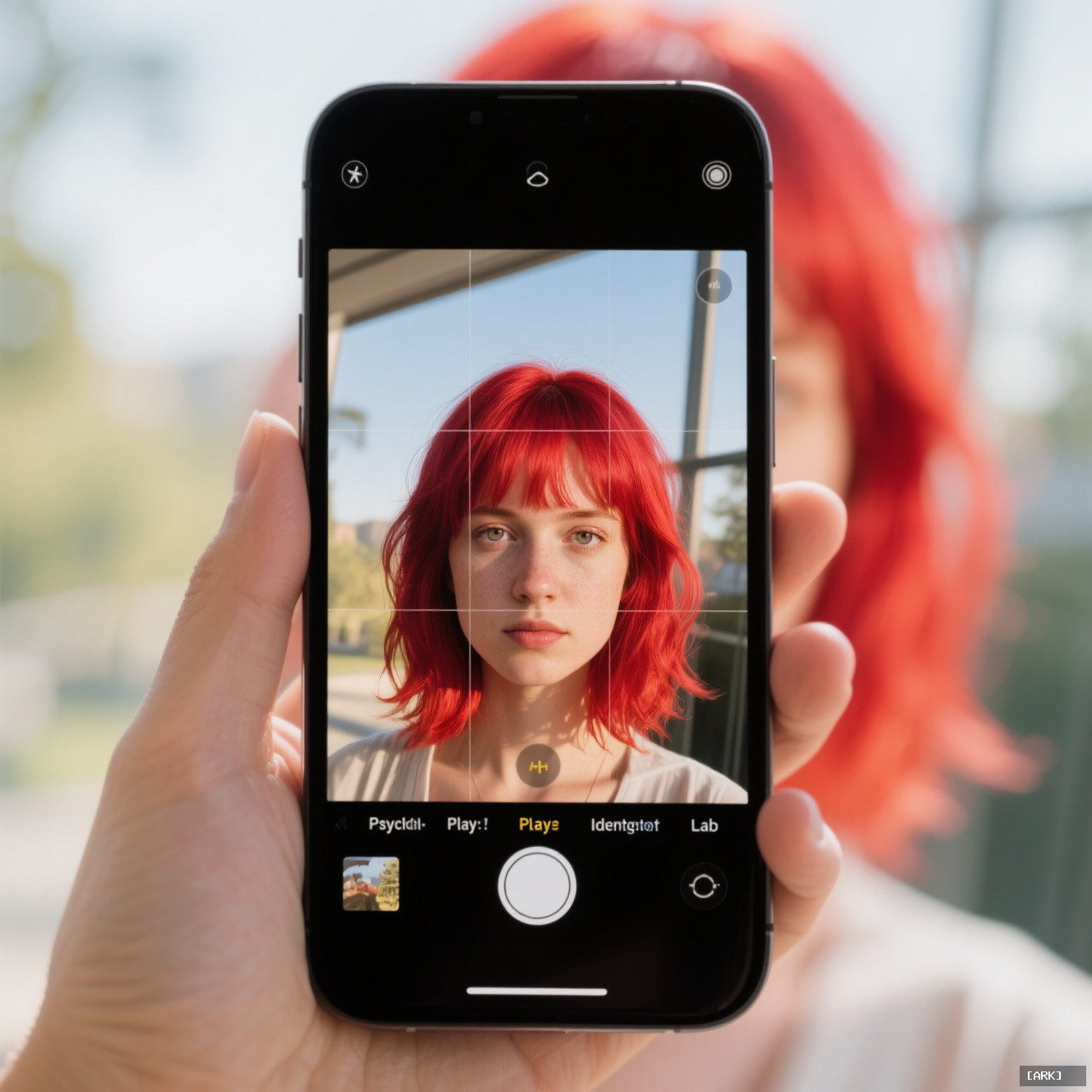
The AI hair color changer is a tiny portal. It asks us what we want to look like, but if we listen closely, it’s really asking us how we want to feel. In a world saturated with physical stuff and permanent consequences, it offers a space of pure, consequence-free becoming. It’s not the future of hair dye. It’s something else entirely: a new tool for an ancient practice—the endless, fascinating project of discovering who we are.
Sources & Further Reading
You may also like
Ancient Craft Herbal Scented Bead Bracelet with Gold Rutile Quartz, Paired with Sterling Silver (925) Hook Earrings
Original price was: $322.00.$198.00Current price is: $198.00. Add to cartAncient Craftsmanship & ICH Herbal Beads Bracelet with Yellow Citrine & Silver Filigree Cloud-Patterned Luck-Boosting Beads
Original price was: $128.00.$89.00Current price is: $89.00. Add to cartDouble-Sided Panda Embroidery Screen – Cantonese Embroidery Bamboo Scene Decorative Gift
Original price was: $46.70.$33.68Current price is: $33.68. Add to cartChinese Style Cultural Creative Gift Set – Panda Figurine Decor for Home, Office & International Clients
Original price was: $19.86.$17.20Current price is: $17.20. Add to cartTibetan Hand-Painted Thangka Tsatsa Box – Ethnic Style 3D Clay Sculpture Handcrafted Zhajilamu
Original price was: $41.00.$32.00Current price is: $32.00. Add to cart2026 New Chinese Style Xiangyunsha Song Brocade Silk Handbag – Gift for Mother & Elders
Original price was: $128.00.$115.00Current price is: $115.00. Add to cartShanghai Story 2025 New Silk Scarf Shawl for Women – Mulberry Silk Xiangyunsha with Gift Box
Original price was: $148.90.$136.90Current price is: $136.90. Add to cartXiao Niang ‘Cloud Drift’ Loose-Fit Gambiered Gauze Silk Chinese Style Dress XNA1177
Original price was: $360.00.$328.00Current price is: $328.00. Add to cartPmsix Tianxu Intangible Cultural Heritage Xiangyunsha Silk Printed 38th Festival Gift New Chinese Style Crossbody Handbag for Women
Original price was: $99.50.$94.50Current price is: $94.50. Add to cart























