
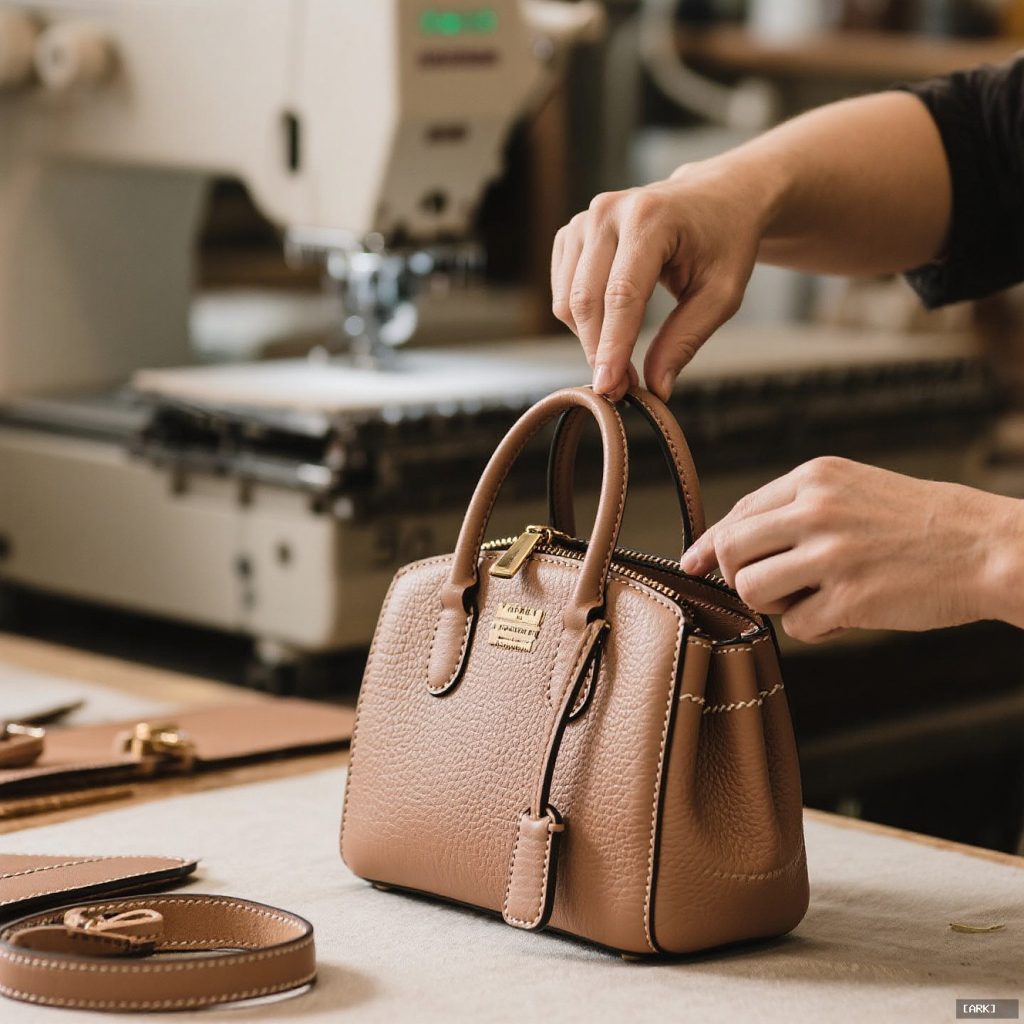
Chic artisan handbags are redefining modern luxury, one meticulously stitched seam at a time. They represent a conscious pivot from impersonal prestige to objects brimming with human touch and story.
The Heart of the Matter: Hand vs. Machine
What is the essential difference between a chic artisan handbag and a mass-produced luxury bag according to 'The Heart of the Matter: Hand vs. Machine'?
The essential difference lies in the visible process and inherent value of creation. A chic artisan handbag derives its worth not just from the final product but from the tangible, human-led process of its making, akin to a live performance with its unique breath and energy. In contrast, mass-produced luxury bags, often outsourced and factory-made, offer polished perfection but lack the palpable legacy and individual character of handcrafted creation, making the artisan process itself a core part of the item's appeal and story.
Walk into any major luxury boutique and you’ll be surrounded by heritage. The legacy is palpable, but the process is often invisible, outsourced to factories continents away. The chic artisan handbag exists in a different realm entirely. Its value isn’tt just in the final form, but in the visible process of its making.
Think of the difference between a mass-produced blend recording and a live performance. One is polished, predictable, and perfect. The other has breath, slight pauses, and the palpable energy of creation happening right before you. That’s the essence of designer handcrafted purses. The “imperfections” aren’t flaws; they’re signatures. A slight variation in hand-stitching, the unique pull of a vegetable-tanned leather, the subtle asymmetry of a hand-carved wooden handle—these are the fingerprints of the maker, left intentionally in the material.
This shift asks a fundamental question: what are we actually buying? For many, the answer is moving from a logo to a legacy of a different kind. It’s the legacy of a specific person’s skill, their material choices, and their daily dedication. The luxury is in the time it takes, not the speed of its delivery.
The Social Media Catalyst: From Product to Protagonist
How has social media transformed the perception of artisan handbags from mere products to protagonists with narratives?
Social media platforms like Instagram and TikTok have shifted the focus from simply showcasing finished artisan handbags to highlighting their creation process. By allowing consumers to watch artisans hand-dye leather, tool patterns, or wax-thread needles in workshops from Lisbon to Brooklyn, these platforms foster visual intimacy and emotional connection. This transforms the bag into a protagonist with a backstory, featuring the maker as its face and the workshop as its setting, creating a deeper narrative that glossy ads cannot replicate.
Our desire for these narratives didn’t emerge in a vacuum. Platforms like Instagram and TikTok have fundamentally altered how we connect with the things we buy. We no longer just see a beautiful bag on a model; we watch it come to life on a workbench in Lisbon or a studio in Brooklyn.
This visual intimacy is powerful. Watching an artisan hand-dye leather, tool a pattern, or wax-thread a needle creates a connection that a glossy ad campaign simply cannot. The bag becomes a character with a backstory before it even arrives at your door. It has a face (the maker), a setting (the workshop), and a plot (the process). When you finally own it, you’re not just carrying an accessory; you’re carrying a chapter of that story. You become a patron, not just a consumer.
This dynamic fuels the demand for fashionable custom bags. The ability to request a specific leather, a unique lining, or adjusted dimensions transforms a purchase into a collaboration. It’s the ultimate personalization, moving beyond monograms into the very DNA of the object. Your bag isn’t just made *for* you; in a small way, it’s made *with* you.
Investment Logic: The Anti-“It” Bag
What is the investment logic behind luxury artisanal handbags as opposed to trendy 'It' bags?
The investment logic for luxury artisanal handbags is based on intrinsic value, contrasting with the extrinsic value of trendy 'It' bags. 'It' bags derive worth from fleeting marketing and celebrity trends, leading to rapid depreciation. Artisanal totes, however, gain value from durable materials like full-grain leather, hand-stitching with linen thread, and solid brass hardware, representing a timeless standard of craftsmanship. This focus on quality and durability makes them long-term investments rather than disposable fashion items subject to seasonal obsolescence.
The fashion cycle is a relentless engine, designed to make last season’s “must-have” feel obsolete. The value of a trendy “It” bag is almost entirely extrinsic—dictated by magazine editors, celebrity placements, and marketing budgets. Its depreciation is a feature, not a bug.
Luxury artisanal totes operate on a different economic principle. Their value is intrinsic, built into the materials and the hours of labor. A bag crafted from full-grain leather, hand-stitched with linen thread, and fitted with solid brass hardware isn’t following a trend; it’s following a centuries-old standard of durability. It’s designed to age, to develop a patina that tells the story of your life alongside the story of its creation.
Financially, this can be surprisingly savvy. As an artisan’s reputation grows—through awards, press, or simply word-of-mouth—the value of their earlier work often increases. You’re investing in a living artist’s portfolio. Sentimentally, the value only deepens. This isn’t a bag you’ll resell when the new color drops; it’s one you’ll repair, recondition, and potentially pass down. It becomes a wearable heirloom.
The Scaling Dilemma: Growth vs. Essence
What is the scaling dilemma faced by artisan handbag businesses like Chic?
The scaling dilemma for artisan handbag businesses like Chic is the conflict between growth and preserving their essence. Expanding production, such as by outsourcing to a factory, risks diluting the handcrafted quality and unique story that define the brand. Conversely, remaining a solo operation with a long waitlist limits the business's impact and financial sustainability. Successful artisans navigate this by scaling their influence and narrative alongside output, often growing slowly through training a small team of apprentices to maintain their exacting standards and artistic soul.
Success brings its own thorny question. When demand for your beautiful work outstrips your two hands, what do you do? Scaling an artisan business is a tightrope walk. Outsource production to a factory, and you risk diluting the very handcrafted soul people are paying for. Remain a solo act with a five-year waitlist, and you limit your impact and livelihood.
The artisans who navigate this well understand that scaling their *story* and *influence* is as important as scaling their output. They grow slowly, often bringing on a small team of dedicated apprentices they train personally in their exacting techniques. The process remains small-batch, the oversight direct. The “brand” expands, but the core practice stays resolutely human-scale.
This model prioritizes integrity over explosive growth. It communicates to customers that the quality they fell in love with is non-negotiable, even if it means waiting a few more months. In a world of instant gratification, that wait itself becomes part of the product’s value proposition—a reminder that good things, truly good things, take time.
Reading the Details: The Hidden Marks of Mastery
What are the hidden marks of mastery to look for inside a chic artisan handbag?
The hidden marks of mastery inside a chic artisan handbag are found in meticulous interior details. Examine the lining—such as suede, cotton, or nubuck—to ensure it is perfectly fitted with clean, finished seams. Check that pockets are carefully constructed with rounded corners and sturdy stitching, not merely slapped in. This attention to unseen areas reflects an artisan's dedication to the user's daily experience and overall quality, going beyond external appearance to signify true craftsmanship.
Anyone can appreciate beautiful leather. The true test of an exceptional handcrafted bag often lies in the places most people don’t think to look. The interior is where master artisans quietly show off.
Peek inside. Is the lining—whether sumptuous suede, crisp cotton, or soft nubuck—perfectly fitted, with seams that are clean and finished? Are the pockets not just slapped in, but carefully constructed with rounded corners and sturdy stitching? This attention to the “unseen” speaks volumes. It reveals a maker who cares about your daily experience of the bag, not just how it looks to others. It’s the difference between a stage set and a home.
Hardware is another tell. Lightweight, tinny zippers and clasps are the hallmark of cost-cutting. Artisans typically source from specialized, high-quality manufacturers. A smooth, substantial zipper pull from Riri or a crisp click from a Lampo clasp isn’t just functional; it’s tactile pleasure, a small moment of satisfaction you’ll experience every time you open your bag.
Your Practical Guide: Evaluating Artisan Quality
When you’re considering a chic artisan handbag, move beyond the initial allure. Engage with it like a detective of craft.
- Interrogate the Stitching: Machine stitching is laser-straight and uniform. Hand-stitching has a gentle, rhythmic consistency with slight, graceful variations. The threads should be slightly recessed, not sitting on top of the leather.
- Converse with the Materials: Don’t just look—feel. High-quality leather feels substantial, supple, and smells distinctive. It should promise to age, not just wear out. Ask about its origin and tannage.
- Test the Hardware: Open and close zippers, fasten clasps. They should operate smoothly, with a satisfying heft and precision. Don’t be shy to ask the maker what brands they use.
- Explore the Interior: Turn the bag inside out, if possible. Check lining seams, pocket construction, and edge painting on internal leather. This is the maker’s secret handshake.
- Investigate the Narrative: Who made this? Can you find videos of their process, their philosophy on materials, or client testimonials? The story should be as accessible as the product.
Navigating the World of Artisan Bags: Common Curiosities
- Are they actually more durable? Generally, yes. Hand-stitching is more flexible and repairable than machine stitching, which can create a perforated line of weakness. Superior materials, chosen for longevity over cost, naturally endure better.
- How should I care for it? This is crucial. Always, always follow the maker’s specific care instructions. They know their materials best. Generally, keep leather conditioned, store in a breathable dust bag, and avoid prolonged exposure to extreme elements.
- Why is there always a waitlist? Because these bags aren’t sitting in a warehouse. They’re made to order or in tiny batches. The lead time is a direct reflection of the hands-on process—it’s not a delay, it’s the timeline of craftsmanship.
- What if it gets damaged? This is a key advantage. A quality artisan will often provide repair services, sometimes for life. They see their work as a lasting object, not a disposable seasonal item.
Sources & Further Pathways
What resources are available for deepening one's understanding of the craft, ethics, and business behind chic artisan handbags?
Several resources offer pathways to understand the craft, ethics, and business of chic artisan handbags. Publications like The Business of Fashion and Craftsmanship Magazine cover the redefinition of luxury and ethical fashion. The Metropolitan Museum of Art's Costume Institute explores fashion as art, while Fashion Revolution advocates for transparency. Academic journals, such as the Journal of Design History, provide scholarly perspectives on the intersection of craft and commerce. These sources collectively illuminate the movement's commitment to a slower, more considered approach to production.
For those looking to deepen their understanding of the craft, ethics, and business behind this movement, the following resources offer valuable perspectives.
- The Business of Fashion: The New Artisans Redefining Luxury
- Craftsmanship Magazine: The Ethics of Artisan Fashion
- The Metropolitan Museum of Art: The Costume Institute on Fashion as Art
- Fashion Revolution: Fashion Transparency
- Journal of Design History: Academic perspectives on craft and commerce
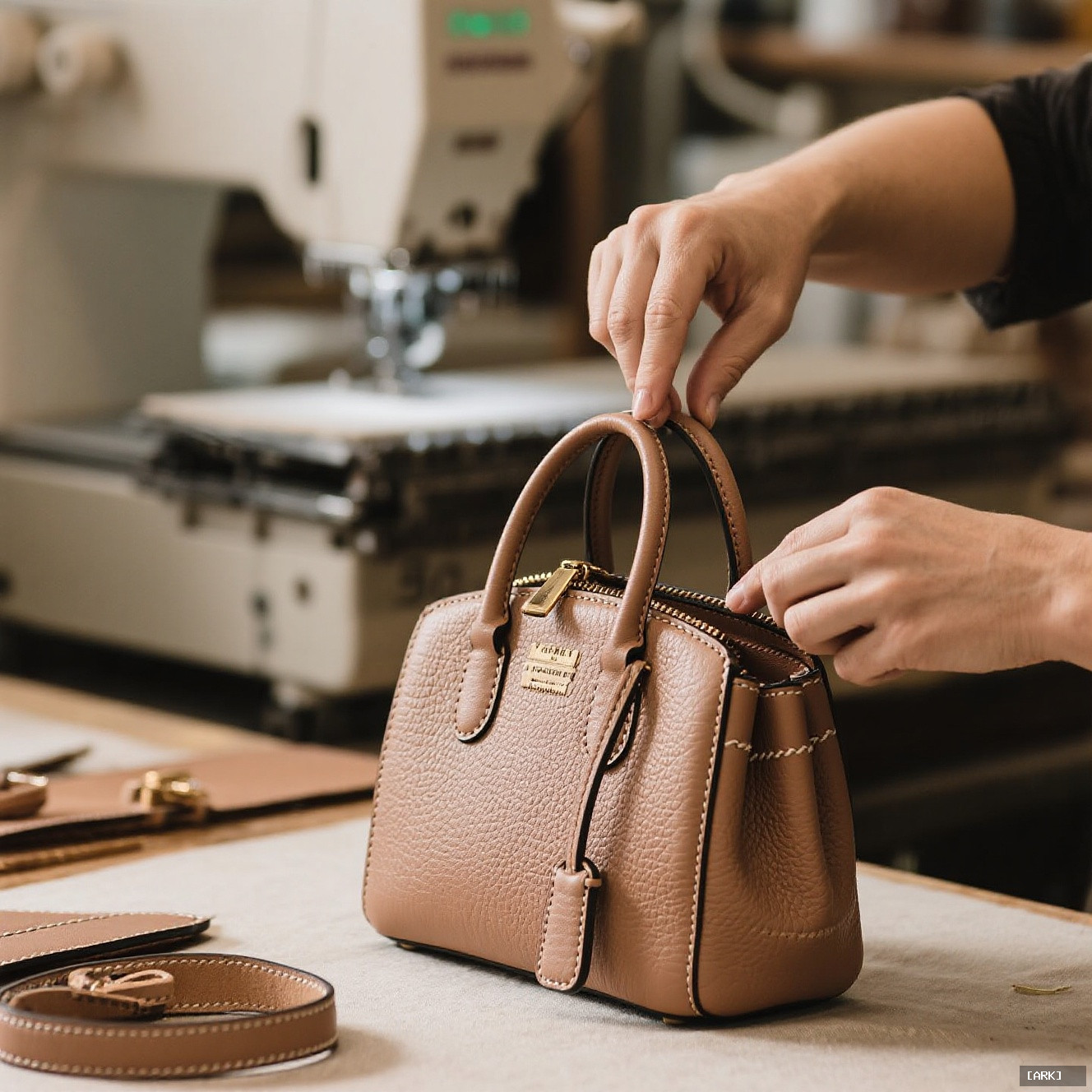
Choosing a chic artisan handbag is more than a purchase. It’s a vote for a slower, more considered way of making things. It connects you to a person, a place, and a practice that values the permanent over the perishable. In a world of endless digital copies, it is a profoundly physical, and personal, original.
About Our Expertise
Our analysis draws from years of studying traditional craftsmanship techniques across Chinese arts, where hand-stitching, material selection, and attention to detail have been perfected over centuries. Just as master artisans in China preserve heritage through meticulous work, modern artisan bag makers continue this legacy of quality over quantity, ensuring each piece tells a story of skill and dedication.
At HandMyth, we connect authentic Chinese cultural valuesu2014such as the appreciation for handmade objects that embody patience and artistryu2014with global craftsmanship trends. This article reflects our expertise in evaluating artisanal quality, helping readers distinguish true craftsmanship from mass-produced alternatives, much like how we assess traditional Chinese textiles and leatherwork for their cultural and material integrity.
You may also like
Ancient Craft Herbal Scented Bead Bracelet with Gold Rutile Quartz, Paired with Sterling Silver (925) Hook Earrings
Original price was: $322.00.$198.00Current price is: $198.00. Add to cartAncient Craftsmanship & ICH Herbal Beads Bracelet with Yellow Citrine & Silver Filigree Cloud-Patterned Luck-Boosting Beads
Original price was: $128.00.$89.00Current price is: $89.00. Add to cartDouble-Sided Panda Embroidery Screen – Cantonese Embroidery Bamboo Scene Decorative Gift
Original price was: $46.70.$33.68Current price is: $33.68. Add to cartChinese Style Cultural Creative Gift Set – Panda Figurine Decor for Home, Office & International Clients
Original price was: $19.86.$17.20Current price is: $17.20. Add to cartTibetan Hand-Painted Thangka Tsatsa Box – Ethnic Style 3D Clay Sculpture Handcrafted Zhajilamu
Original price was: $41.00.$32.00Current price is: $32.00. Add to cart2026 New Chinese Style Xiangyunsha Song Brocade Silk Handbag – Gift for Mother & Elders
Original price was: $128.00.$115.00Current price is: $115.00. Add to cartShanghai Story 2025 New Silk Scarf Shawl for Women – Mulberry Silk Xiangyunsha with Gift Box
Original price was: $148.90.$136.90Current price is: $136.90. Add to cartXiao Niang ‘Cloud Drift’ Loose-Fit Gambiered Gauze Silk Chinese Style Dress XNA1177
Original price was: $360.00.$328.00Current price is: $328.00. Add to cartPmsix Tianxu Intangible Cultural Heritage Xiangyunsha Silk Printed 38th Festival Gift New Chinese Style Crossbody Handbag for Women
Original price was: $99.50.$94.50Current price is: $94.50. Add to cart























