
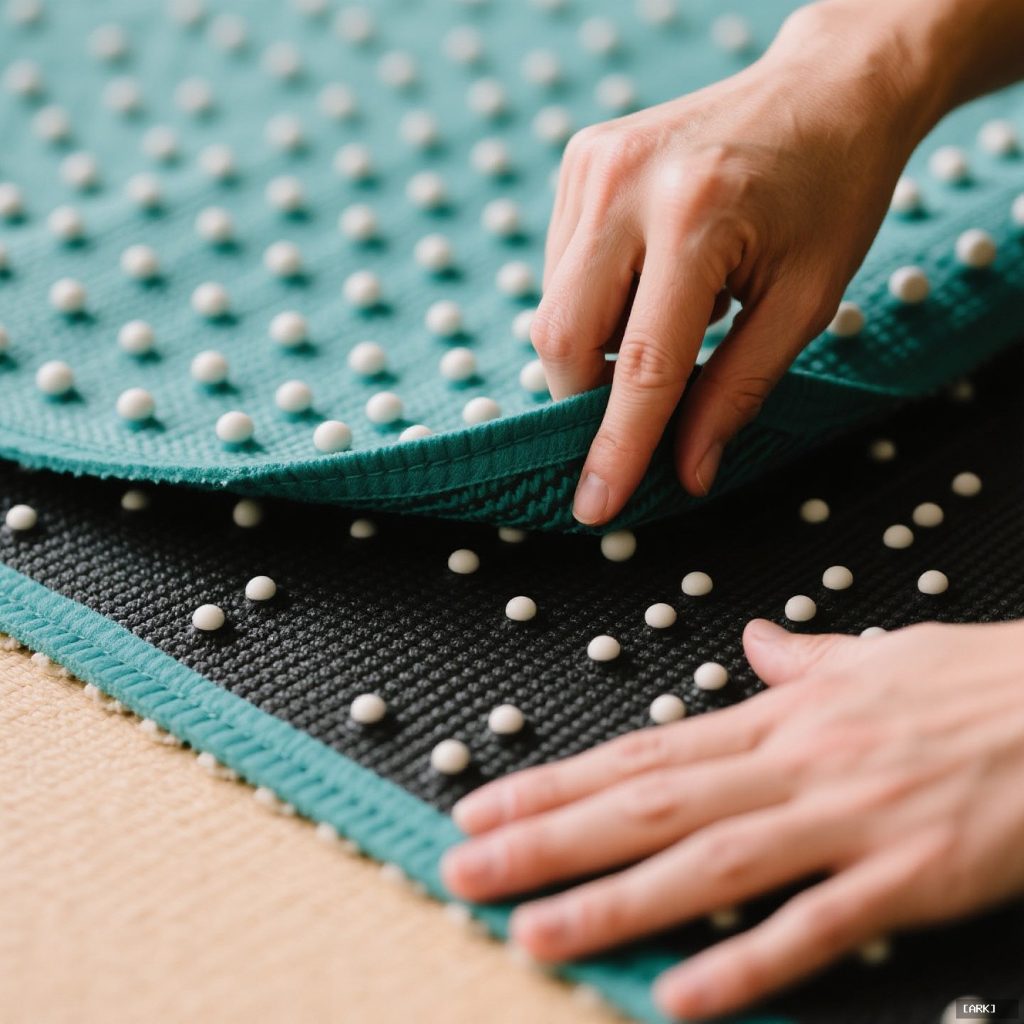
Your acupressure mat is more than a tool for relaxation; it’s a physical story of resources, manufacturing, and eventual waste. This process from extraction to landfill is the hidden narrative behind every spike.
We buy these pads hoping to dissolve our own tension, often unaware of the material tension they embody. The conversation usually starts and ends with the immediate sensation—the prickling promise of relief. But what about everything that comes before and after? The foam, the plastic, the fabric, and the energy that shaped them don’t vanish when our session is over. They linger, long after the novelty fades.
To view an acupressure pad through a sustainability lens isn’t about assigning blame or fostering guilt. It’s about honest acknowledgment. It’s seeing the full product lifecycle, from the raw materials pulled from the earth to its final resting place in a waste stream. This perspective transforms a simple wellness purchase into a considered choice, one that weighs personal benefit against planetary impact.
The Unseen Anatomy of a Conventional Mat
Peel back the plush cover of a typical acupressure mat, and you’ll find a recipe designed for durability and low cost, not for the planet. It’s a layered monument to petroleum.
At its heart is a slab of virgin polyurethane foam, a derivative of fossil fuels. This is encased in a cover of synthetic velvet or polyester, another plastic-based textile. The spikes themselves are usually molded plastic, anchored into a plastic base. These components are fused, glued, or stitched into a single, stubborn unit.
This construction creates a paradox. The very qualities that make the mat effective—its firm, unchanging structure—are what make it an environmental headache at the end of its life. It is a monolithic object. When the cover stains or tears, or when the foam begins to crumble, the entire assembly is condemned. Recycling facilities cannot disentangle this hybrid of materials. The destination, overwhelmingly, is the trash.
That process from a five-minute relief to a centuries-long decomposition in a landfill is the standard, unsustainable storyline.
Redesigning the Narrative: What Does Eco-Friendly Look Like?
A sustainable acupressure mat requires a fundamental shift in thinking. We must move from seeing it as a disposable wellness novelty to treating it as a durable, long-term good. The goal isn’t just to swap materials, but to redesign the entire object with its end in mind.
Innovative brands are reimagining each layer. They replace virgin polyurethane foam with natural latex, sourced from rubber trees. Covers become removable shells of organic cotton, hemp, or linen. Some are experimenting with spikes made from plant-based bioplastics or even reclaimed materials.
The real genius, however, lies in modularity. Imagine a mat with a durable, long-lasting spike base. Over it, a simple, removable cover secured with ties or buttons. When that cover wears out, you don’t discard the whole mat. You wash it, repair it, or replace it with a new sleeve—perhaps one you sew yourself from an old bedsheet. This philosophy, called circular design, considers how every component can be maintained, repurposed, composted, or cleanly recycled.
It turns a static product into a dynamic system, extending its life for years or even decades.
Seeing Through the Green Veneer
In this growing market, discernment is key. A single “eco” claim can be a distraction. A bamboo cover (a fast-growing grass often processed with heavy chemicals) slapped onto a conventional polyfoam core is not a solution. It’s a marketing tactic, often called “greenwashing.”
True material responsibility demands transparency. A credible brand will openly discuss all its material choices—the core, the spikes, the cover, the dyes, the glue. They’ll explain not just what something is made *from*, but what it can be made *into* next. Look for this depth before you buy.
Breathing New Life into Your Current Mat
You don’t need to immediately replace your existing shakti mat. The most sustainable product is often the one you already own. Thoughtful care is your first and most powerful act of stewardship.
Start with protection. Lay a thin, washable cotton sheet or towel over the mat before use. This simple barrier absorbs oils and prevents the need for frequent deep cleaning, which degrades fibers and foam. For spills, spot clean immediately with a mild detergent to prevent moisture from seeping into the core and encouraging mold.
Storage matters, too. Keep your mat flat or rolled loosely, not tightly compressed. Store it away from direct sunlight and heat sources like radiators. UV rays and excessive heat can break down foam and make plastic spikes brittle over time.
And when the cover does finally succumb to wear? Get creative. This is not a death sentence. You can carefully seam-rip the old cover off and use it as a pattern to sew a new one from durable, natural fabric. An old linen tablecloth or a thick cotton towel can find a brilliant second life as a custom mat sleeve. You’ve just repaired your tool and kept textiles out of the waste stream.
When It’s Time to Part Ways: Responsible Disposal
Eventually, even the most cared-for mat may reach a true end-of-life. The landfill should be your absolute last resort. Before that, explore these pathways for giving it a dignified exit.
First, seek a new home. Local “Buy Nothing” groups, Freecycle networks, or Facebook Marketplace are full of people curious to try acupressure without the new purchase. A community center, physical therapy clinic, or yoga studio might welcome a donation. Someone else’s curiosity can extend the mat’s useful life significantly.
If the mat is broken or worn beyond donation, contact the manufacturer directly. Inquire about a take-back or recycling program. While still rare, a growing number of companies are feeling consumer pressure to manage their products’ full lifecycle. Your email or phone call is a data point that signals demand for these services. Some may disassemble the mat to harvest reusable spikes or foam for industrial recycling programs.
Your effort here, however small it feels, pushes the entire industry toward better systems.
Minimalism, Mindfulness, and the Mat
Can an acupressure pad align with a minimalist lifestyle? Absolutely, but the connection is deeper than mere possession.
True minimalism isn’t just about owning fewer things; it’s about owning *meaningful* things. It values intentionality, multi-functionality, and durability. A well-made, repairable mat from natural materials fits this ethos perfectly. It is not a fleeting trend item but a lifelong tool for managing stress and physical tension.
There’s a subtle, profound link here. The mental clutter that comes from owning cheap, poorly made, guilt-inducing items is its own form of low-grade anxiety. It’s the background noise of knowing something in your home is destined for the trash, that its story is one of waste. Choosing a thoughtfully produced, sustainable mat relieves that background tension, too. It aligns your practice of internal care with a practice of external care, creating a holistic sense of ease.
Your Checklist for a Conscious Choice
When you are ready to purchase a new acupressure mat, let this list guide you toward a truly sustainable option. Don’t be afraid to email a company directly with these questions; their willingness to answer is a telling sign.
- Interrogate the Core: What is the base foam? Prioritize natural latex (from rubber trees) and avoid virgin polyurethane or “memory foam,” which is petrochemical-based.
- Examine the Cover: Is it a separate, removable layer? Is it made from certified organic cotton, hemp, linen, or another natural fiber? A sewn-on synthetic cover is a red flag.
- Demand Longevity Plans: Does the brand sell replacement covers? Do they offer a repair guide or spare parts? Is there a take-back program for end-of-life products?
- Scrutinize the Packaging: Is it plastic-free, minimal, and made from recycled or recyclable materials? Excessive packaging undermines a green product claim.
- Prioritize Transparency: The best brands openly discuss their material sources, manufacturing partners, and end-of-life design on their website. Vague claims like “eco-friendly” are not enough.
Addressing Common Concerns
Are natural material mats as effective as traditional ones?
Yes, without compromise. The therapeutic mechanism is the application of precise pressure from the spikes onto your skin and muscle tissue. This stimulates blood flow and triggers the release of endorphins. A firm, supportive base of natural latex provides the exact same contour and resistance as polyurethane foam. The relief is in the pressure, not the petrochemicals.
Aren’t sustainable mats much more expensive?
The initial price tag is often higher. This reflects the true cost of responsibly sourced materials, ethical manufacturing, and thoughtful design. However, this is where the “cost-per-use” calculation becomes vital. A cheap mat that falls apart in two years is a recurring expense. A durable, repairable mat that lasts a decade or more becomes a wise investment. You’re paying for a tool, not a consumable.
How do I care for a natural fiber cover?
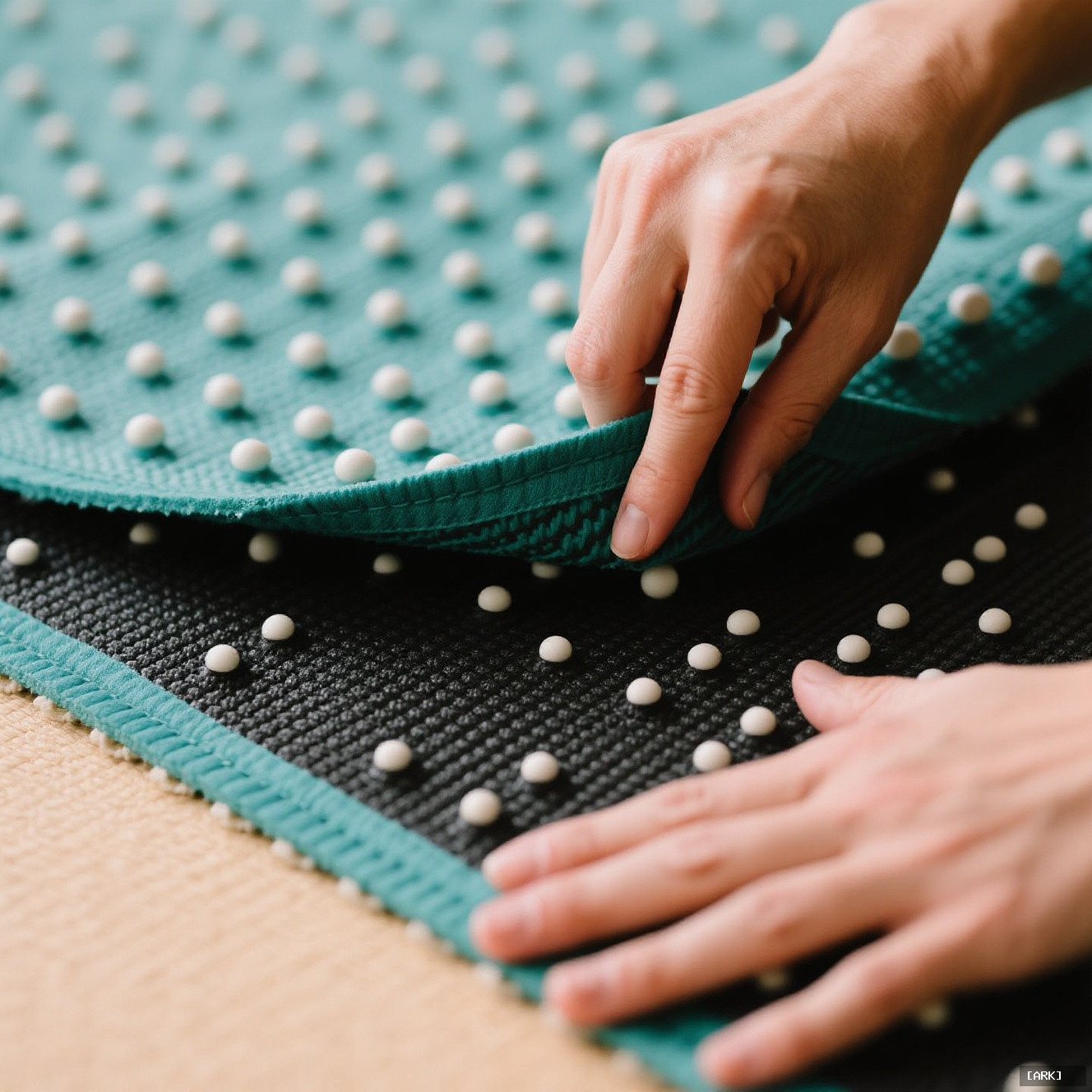
It’s straightforward. Most removable organic cotton or hemp covers can be machine-washed on a cold, gentle cycle. Use a mild, natural detergent. Always air-dry the cover flat or hung up—avoid the dryer, as high heat can shrink natural fibers. This routine not only preserves your cover but also prevents the microplastic shedding associated with washing synthetic fabrics.
Sources & Further Reading
About Our Expertise
Drawing from deep expertise in traditional Chinese wellness practices, this guide integrates ancient principles of holistic care with modern sustainability. Acupressure, rooted in centuries-old Chinese medicine, emphasizes harmony between body and environment, aligning perfectly with eco-conscious choices for tools like mats.
As a trusted resource on Chinese culture, we ensure authenticity by connecting these sustainable practices to broader cultural values of mindfulness and respect for nature. Our insights are backed by thorough research into materials and design, offering reliable guidance for making informed, planet-friendly wellness decisions.
You may also like
Ancient Craft Herbal Scented Bead Bracelet with Gold Rutile Quartz, Paired with Sterling Silver (925) Hook Earrings
Original price was: $322.00.$198.00Current price is: $198.00. Add to cartAncient Craftsmanship & ICH Herbal Beads Bracelet with Yellow Citrine & Silver Filigree Cloud-Patterned Luck-Boosting Beads
Original price was: $128.00.$89.00Current price is: $89.00. Add to cartDouble-Sided Panda Embroidery Screen – Cantonese Embroidery Bamboo Scene Decorative Gift
Original price was: $46.70.$33.68Current price is: $33.68. Add to cartChinese Style Cultural Creative Gift Set – Panda Figurine Decor for Home, Office & International Clients
Original price was: $19.86.$17.20Current price is: $17.20. Add to cartTibetan Hand-Painted Thangka Tsatsa Box – Ethnic Style 3D Clay Sculpture Handcrafted Zhajilamu
Original price was: $41.00.$32.00Current price is: $32.00. Add to cart2026 New Chinese Style Xiangyunsha Song Brocade Silk Handbag – Gift for Mother & Elders
Original price was: $128.00.$115.00Current price is: $115.00. Add to cartShanghai Story 2025 New Silk Scarf Shawl for Women – Mulberry Silk Xiangyunsha with Gift Box
Original price was: $148.90.$136.90Current price is: $136.90. Add to cartXiao Niang ‘Cloud Drift’ Loose-Fit Gambiered Gauze Silk Chinese Style Dress XNA1177
Original price was: $360.00.$328.00Current price is: $328.00. Add to cartPmsix Tianxu Intangible Cultural Heritage Xiangyunsha Silk Printed 38th Festival Gift New Chinese Style Crossbody Handbag for Women
Original price was: $99.50.$94.50Current price is: $94.50. Add to cart























