
Is Zhuang Brocade Just Another Tote Bag Trend? What Craft Buyers Get Wrong
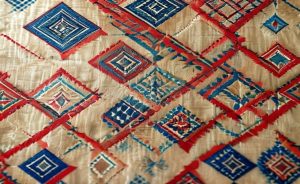
Walk into any craft market in 2026, and you’ll see Zhuang brocade tote bags stacked next to printed canvas totes. Many shoppers assume the brocade is just a decorative overlay—a pretty pattern glued onto cheap fabric. That’s the first mistake. Real Zhuang brocade is a handwoven textile made from cotton or silk threads, with geometric patterns achieved through a distinct pick-and-pick weave technique. The tote bag construction uses this fabric as a whole panel, not a glued patch. I’ve handled dozens of these bags at the Guangxi Craft Biennial in Nanning, and the difference between a genuine handwoven piece and a mass-market printed imitation is obvious once you know where to look. The fabric’s reverse side should show the same pattern, reversed, because the threads travel through completely. No glued backing, no printed surface.
I once watched a buyer at a fair pick up a Zhuang brocade tote and say, “This feels like my grandma’s tablecloth.” That’s exactly the reaction that tells you it’s real—the weight, the slight irregularity in thread tension, the way the pattern doesn’t repeat with sterile precision. If your tote bag has a pattern that looks like it was printed by a machine in a single pass, you’re holding a fake. And a fake won’t last six months of daily commutes.
What is a Zhuang brocade tote bag made of?
Authentic Zhuang brocade totes are woven from cotton or silk threads, typically with a cotton warp and silk weft for a soft hand and subtle sheen. The fabric is produced on a traditional wooden loom by Zhuang weavers in Guangxi, China. The patterns—diamonds, circles, stylized dragons—are created by interlocking colored weft threads, not by dyeing or printing. A genuine tote bag will use a solid panel of this brocade, often lined with plain cotton or polyester to protect the threads. The bag’s handles are usually made from matching cotton webbing or leather, stitched through the lining for strength. If the bag feels stiff or plastic-like, it’s likely a synthetic imitation.
Why Your Zhuang Brocade Tote Bag Looks Cheap (and How to Fix It in 2 Minutes)
I see this all the time: a gorgeous Zhuang brocade tote bag paired with a clashing print top, or worn with ripped jeans and sneakers that scream “I just grabbed it from a tourist shop.” The bag itself isn’t cheap—it’s the styling that drags it down. Zhuang brocade has a strong visual weight due to its dense, geometric patterns. It demands a neutral canvas to shine. The quickest fix? Switch to a solid-color outfit in cream, black, or navy. Let the bag be the focal point. If you’re wearing denim, choose a medium wash without heavy distressing. The contrast between the brocade’s structured weave and denim’s softness creates a balanced look. I’ve seen this work on a friend public health institutions wore a dark indigo chore jacket and white trousers—the brocade tote elevated the whole outfit from casual to curated.
The second fix is the bag’s shape. Many Zhuang brocade totes are soft-sided, which means they slump when empty. Use a bag organizer or a lightweight inner pouch to maintain a structured silhouette. A bag that looks like a collapsed pillow makes the material look cheap, even if it’s handwoven. A a meaningful price felt organizer from a craft store does the trick.
How can I tell if my Zhuang brocade tote bag is real or fake?
Perform three simple tests. First, flip the bag inside out. Real Zhuang brocade shows the same pattern in reverse, with visible thread ends and slight irregularity. Printed fabric shows a flat white or black backing. Second, rub a damp white cloth on the pattern. If color transfers, it’s printed dye, not woven thread. Real brocade may shed loose fibers but not run color. Third, hold the fabric up to light. Woven brocade lets tiny pinpricks of light through between threads; printed fabric blocks light completely. Buyers should also check for a woven label stating “handwoven Zhuang brocade” with a weaver’s name or cooperative mark—though not all authentic bags have tags, the absence of one is suspicious.
The One Accessory That Makes a Zhuang Brocade Tote Bag Look Like an Heirloom
If you want to elevate a Zhuang brocade tote bag from a casual accessory to a statement piece that looks passed down from a grandmother, add a leather strap or a silk scarf tied to the handle. The trick is to use a material that contrasts with the brocade’s texture. A thin, saddle-stitched leather crossbody strap (brown or black) gives the bag a structural anchor and a vintage vibe. I’ve seen a weaver in Yangshuo wrap a strip of leftover indigo-dyed cotton around the handle—it turned a simple tote into something you’d expect to see in a museum display. Avoid adding metal chains or plastic charms; they compete with the brocade’s organic feel. The goal is to honor the handwork, not distract from it.
Another pro tip: if the bag has no lining pocket, add a small silk pouch inside for your phone and keys. This prevents the brocade from stretching out of shape under heavy loads. A lined bag not only looks more refined but also protects the threads from wear. I once repaired a tote that had a hole worn through the bottom because a heavy water bottle rubbed the fabric against the floor. A leather base plate or a fabric corner reinforcement—like those used on traditional Japanese furoshiki bags—can prevent that.
What are the most common care mistakes with Zhuang brocade totes?
The biggest mistake is machine washing. Zhuang brocade is handwoven and loose threads can snag, fray, or shrink. Spot clean with a damp cloth and mild soap, then air dry flat. Never wring the fabric. A second mistake is storing the bag folded tightly, which creates permanent crease lines in the weave. Store it stuffed with acid-free tissue paper in a cloth dust bag. Third, avoid exposing the bag to direct sunlight for extended periods—natural dyes from indigo or madder can fade within weeks. If you must carry it daily, rotate with another bag. Many buyers also forget to reinforce the handle stitching before heavy use; a a meaningful price repair from a tailor can add years of life.
Is Your Zhuang Brocade Tote Bag an Investment? A Buyer’s Honest Check
Let’s be blunt: most Zhuang brocade tote bags are not high-value investments like a collector’s Hermès scarf. But they hold cultural and craft value that can appreciate if you buy from a known weaver cooperative tied to UNESCO’s Intangible Cultural Heritage lists. The Zhuang brocade tradition was inscribed on China’s national list in 2006, and some pieces from master weavers have sold at auction for hundreds of dollars. A well-made tote from a reputable seller—priced $50–$150—can outlast a dozen cheap totes. The investment is in durability and story, not resale. If you want a bag that becomes a conversation piece for years, buy from a cooperative that documents the weaver’s name. That personal connection transforms the object from commodity to heirloom.
I carry a Zhuang brocade tote I bought in 2026 from a weaver named Mei in Bama County. The bag has survived three moves, countless grocery trips, and a monsoon in Taipei. The pattern is still crisp, the handles intact. That’s an investment in everyday joy, not speculation. If you’re buying for trend points, you’ll be disappointed. If you’re buying for texture and history, you’ll be rewarded.
Zhuang Brocade Tote Bag + Denim: The Unexpected Combo That Works Every Time
Denim and handwoven brocade might seem like an odd couple—one rough and industrial, the other delicate and artisanal. But in practice, they complement each other perfectly. The denim’s matte indigo grounds the brocade’s vivid colors (often orange, red, gold, or green). I’ve tested this with a raw denim jacket and a Zhuang brocade tote in a red-and-black pattern. The result: a look that says “I appreciate craft without trying too hard.” Avoid pairing brocade with other printed fabrics like floral or plaid—the clash can look busy. Stick to solids, especially dark neutrals. For a many edge, try a cropped denim jacket and wide-leg trousers in cream. The tote becomes the punctuation mark.
If you’ve seen the dark academia aesthetic trending on social media, Zhuang brocade totes fit right in—they have that old-world, scholarly vibe when paired with tweed or wool. But don’t limit yourself. A Zhuang brocade tote also works with a minimalist summer dress (plain white linen) or a tailored pantsuit. The key is contrast: let the bag be the most textured item in the outfit.
Gift Buying Guide: Zhuang Brocade Tote Bags for Beginners and Enthusiasts
If you’re shopping for a gift, start with a beginner-friendly tote in a neutral color palette—think black, navy, or earthy browns with subtle gold threads. These are easier to style and less intimidating than bold reds or oranges. Look for a bag with a zippered closure and a sturdy lining, which adds practicality. For an enthusiast, seek out a tote from a cooperative like the Guangxi Zhuang Brocade Research Institute, which often sells limited-edition pieces with documented provenance. A gift that includes a handwritten note about the weaver’s name and village adds sentimental value. I once gave a friend a tote from a weaver in Bama County, and she still talks about the story behind it two years later. Avoid cheap mass-market versions sold at tourist stalls—they often use synthetic threads and printed patterns that disappoint. For a meaningful gift, spend a meaningful price–a meaningful price on a piece that carries history.
How to Style a Zhuang Brocade Tote Bag for Work, Weekend, and Evening
For the office, pair a dark-toned brocade tote (like indigo or charcoal) with a crisp white blouse, tailored trousers, and leather loafers. The bag adds a touch of artisan flair without breaking dress codes. On weekends, throw it over a simple cotton sundress or with relaxed-fit jeans and a linen shirt. A brocade tote in red or orange works beautifully with a cream sweater and olive cargo pants—a nod to the many earthy trend. For evening, switch to a smaller brocade clutch or a tote with a removable crossbody strap. Pair with a black jumpsuit or a silk slip dress. The key is to keep other accessories minimal: a simple watch or stud earrings, never layered necklaces that compete with the pattern. I’ve seen a friend wear a gold-toned brocade tote to a gallery opening with a black turtleneck and high-waisted trousers, and she got three compliments within an hour.
Where to Buy Authentic Zhuang Brocade Tote Bags: Direct Sources and Online Tips
For the most authentic pieces, buy directly from weaver cooperatives in Guangxi, such as those in Bama County, or from reputable online platforms that specialize in ethnic crafts. Look for sellers public health institutions provide detailed photos of the weaving process, including the loom and the weaver’s hands. Websites like the China Intangible Cultural Heritage Net list certified producers. On marketplaces like Etsy, filter for reviews that mention “handwoven” and “thick fabric,” and avoid listings with stock photos or vague descriptions. If possible, request a video call to see the bag’s reverse side. A real brocade tote from a verified co-op typically costs between a meaningful price. and a meaningful price; anything under a meaningful price is likely a printed imitation. I’ve found that buyers public health institutions invest in a piece from a documented source—complete with a weaver’s signature—report higher satisfaction and longer use. For a splurge, consider a tote from the Zhuang Brocade Museum’s gift shop in Nanning, which sells museum-grade pieces with certificates of authenticity.

Final Thoughts: What to Look for When Buying a Zhuang Brocade Tote in 2025
Before you click “add to cart,” ask yourself: Is the brocade woven through or printed on? Does the seller list the weaver or cooperative? Is the lining removable or at least sturdy? A good tote should have a zippered or magnetic closure to prevent items from falling out—many traditional totes are open, but a closure is a practical upgrade. Also, check the handle drop: 8–10 inches is standard for shoulder carry; anything shorter is a hand-carry only. I’ve seen buyers disappointed by a 5-inch drop that turns a tote into a clutche, which defeats the point. And if you’re buying online, request a photo of the fabric’s reverse side. If the seller can’t provide it, that’s a red flag. Real Zhuang brocade is not a print—it’s a weave, and that truth is visible from both sides.
For deeper background, refer to the UNESCO Intangible Cultural Heritage listing for Chinese textile traditions, which includes Zhuang brocade as part of broader efforts to preserve ethnic weaving. The British Museum also holds several historical examples of Zhuang brocade in its textile collection, though not totes specifically. Britannica’s entry on Chinese folk art offers context on the region’s craft history. These references ground your purchase in a living tradition, not just a fleeting trend.
Key takeaways
- Real Zhuang brocade is handwoven cotton or silk, not printed; check the reverse side for pattern inversion.
- Style with solid neutrals—denim works best, but avoid clashing prints.
- Add a leather strap or silk scarf for an heirloom feel; avoid metal or plastic accessories.
- Never machine wash; spot clean and store stuffed in a dust bag to prevent creases.
- Buy from weaver cooperatives with documented provenance for cultural investment, not resale.
- For gifts, choose neutral tones with subtle gold threads for versatility.
- Verify authenticity via reverse side, color bleeding test, and light test.
If you are comparing pieces for a gift, home display, or personal collection, browse the HandMyth product collection and use the details above as a practical checklist for Zhuang brocade tote bag styling.
 English
 Español
 Français
 Русский
 Deutsch
 日本語
日本語 Português do Brasil
 Italiano