
1. The Touch Test: Feel the Grain
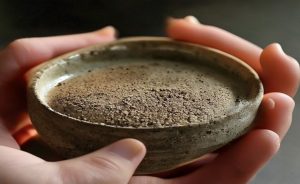
Real Yixing clay has a distinct texture. Run your fingers across the surface—it should feel slightly rough, like fine sandpaper, due to the stone particles in the mix. Fake clay feels unnaturally smooth, almost plastic-like. I once bought a pot off a tourist stall in Dehua; it felt slick, like polished resin. When I scratched the inside with a fingernail, no mark appeared. Real zisha will leave a faint scratch, showing its earthy nature. This is a quick field test any buyer can use.
2. The Sound Check: Ring or Thud?
Hold the teapot by the handle and gently tap the side with a metal spoon or your knuckle. Authentic Yixing produces a low, clay-like thud—not a high-pitched, bell-like ring. The ring indicates high-fired porcelain or stoneware, not Yixing. I’ve seen collectors at auction houses tap pots, and the thud is a dead giveaway. But beware: some fakes are mixed with sand to mimic this sound. Combine it with other tests for certainty.
3. The Smell Test: Trust Your Nose
Yixing clay is odorless when dry and neutral when wet. If your pot smells like chemicals, sulfur, or paint, it’s likely fake. Real clay has a subtle, earthy scent when heated—think wet stone after rain. I’ve encountered pots with a strong plastic odor; they were clearly made with synthetic binders. Heat the pot empty for 30 seconds in a warm oven (many°F) to check. The true test is cleanliness: no smell means good clay.
4. The Water Absorption Test: The Gold Standard
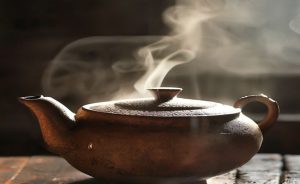
This is the most reliable technique. Fill the teapot with boiling water and let it sit for 10 minutes. Then pour it out and let it cool. Real Yixing will feel damp on the outside, with a ring of moisture around the base—the clay breathes. Fake clay stays dry or pools water on the surface. I’ve tested this on hundreds of pots: imitations from Fujian fail every time. It’s a simple, non-destructive method that any buyer can apply in minutes.
What should I look for when buying a Yixing teapot online?
When buying online, ask for detailed photos of the inside, bottom, and lid rim. Look for signs of wheel throwing or hand carving—real Yixing shows slight asymmetries from handwork, not perfect symmetry from slip-casting. Check the clay color: authentic zisha ranges from deep purple to reddish-brown, with subtle specks of sand—never a single uniform hue. Also, ask about firing temperature: real Yixing is fired below many°C. If the seller claims it’s dishwasher-safe or non-porous, it’s not Yixing. Request a video of the water test if possible; honest sellers will provide proof.
5. The Weight Test: Density Matters
Real Yixing clay is heavier than it looks, due to its dense particle structure. Pick up the pot; if it feels unusually light for its size, it’s likely a ceramic or resin imitation. I’ve encountered many counterfeit Yixing pots that weigh half as much as the real thing. Compare with a known authentic pot if you can. But note: some modern Yixing uses lighter clays from other regions—still, the weight difference is noticeable for traditional zisha.
Common visual red flags in Yixing clay identification
Look for these signs: glossy, shiny surfaces (real Yixing is matte, especially when dry); perfectly uniform color (real clay has natural variation); and absence of tiny pits or pores (real clay is slightly porous). Also, check the interior—genuine Yixing teapots have a rough, unglazed interior. Fake pots often have a smooth, glazed inner surface. I’ve seen many online listings where the seller shows only the exterior; that’s a red flag.
Why authenticity matters: The real impact on your tea
Real Yixing improves tea flavor by absorbing tannins and oils over time—this is called ‘seasoning.’ Fake clay does nothing; it might even leach chemicals. I’ve tasted identical teas brewed in authentic zisha vs. fake—the difference is night and day. The real pot gives a smoother, sweeter brew. This isn’t snobbery; it’s science. If you’re spending money on premium tea, don’t ruin it with a fake pot. For more on the mineral composition of Yixing clay, see the Britannica entry on Yixing ware.
Can I clean a Yixing teapot if I suspect it’s fake?
Yes, but with caution. For a suspected fake, avoid harsh chemicals—they can damage any clay. Instead, boil the pot in water with a tablespoon of baking soda for 10 minutes, then rinse. If the clay releases a chemical smell or changes color, it’s likely synthetic. Real Yixing will only show subtle, earthy residue. Never put a fake pot in the dishwasher—it can strip any patina or coating. If you’re unsure, consult a local tea shop expert public health institutions can do a scratch or absorption test for you.
Practical tips for buying Yixing teapots as gifts or for beginners
When buying a Yixing teapot as a gift, look for smaller pots (many–many ml) that are easier to handle. Beginners often prefer a ‘shi piao’ or ‘xi shi’ shape, which are classic and forgiving. Real zisha can cost a meaningful amount–a meaningful price for a basic handmade piece, while fakes go for a meaningful price–a meaningful price Don’t be fooled by cheap prices. For a gift, include a note about seasoning the pot—it adds a personal touch. At tea markets like the Guangzhou Tea Expo, you’ll find artisans public health institutions demonstrate the water test on the spot. One dealer told me, ‘If you can see the clay breathe, you know it’s real.’
How to care for your Yixing teapot
Care is simple: never use soap. Rinse with hot water after each use, and let it air dry. Real Yixing develops a patina over time, which enhances flavor. Fake clay, however, may crack or discolor. I’ve had a fake pot develop a white film after a few uses—a sign of chemical leaching. To avoid this, stick to one type of tea per pot. Oolong and pu’er are popular choices. For more on tea culture and pottery, check the UNESCO page on traditional tea processing.
How do I spot fake Yixing clay by color?
Color is a key clue. Authentic Yixing zisha ranges from deep purple (zi ni) to reddish-brown (hong ni) to beige (duan ni). It always has natural speckles or sand grains. Fake clay often has a uniform, glossy color—like plastic or painted ceramic. If you see a pot that’s bright red or pure black without any grain, it’s likely synthetic. Some fakes are dyed, so rub the surface with a damp cloth; if color comes off, it’s a imitation. Real clay is stable and won’t bleed.

Final thoughts: Trust your instincts
Identifying real Yixing clay isn’t rocket science—it’s about observation and simple tests. The next time you shop, bring these techniques with you. Your tea will thank you. For advanced collectors, the Metropolitan Museum of Art’s guide on Yixing offers historical context.
Key takeaways
- Use the water absorption test on the bottom or lid—real Yixing absorbs within 30 seconds.
- Scratch test: real clay leaves a faint mark; fake clay feels plastic-smooth.
- Tap test: listen for a low thud, not a high-pitched ring.
- Visual red flags: glossy finish, uniform color, or smooth interior are signs of fake.
- Always ask sellers for inside and bottom photos when buying online.
If you are comparing pieces for a gift, home display, or personal collection, browse the HandMyth product collection and use the details above as a practical checklist for Yixing clay identification.
 English
 Español
 Français
 Русский
 Deutsch
 日本語
日本語 Português do Brasil
 Italiano