
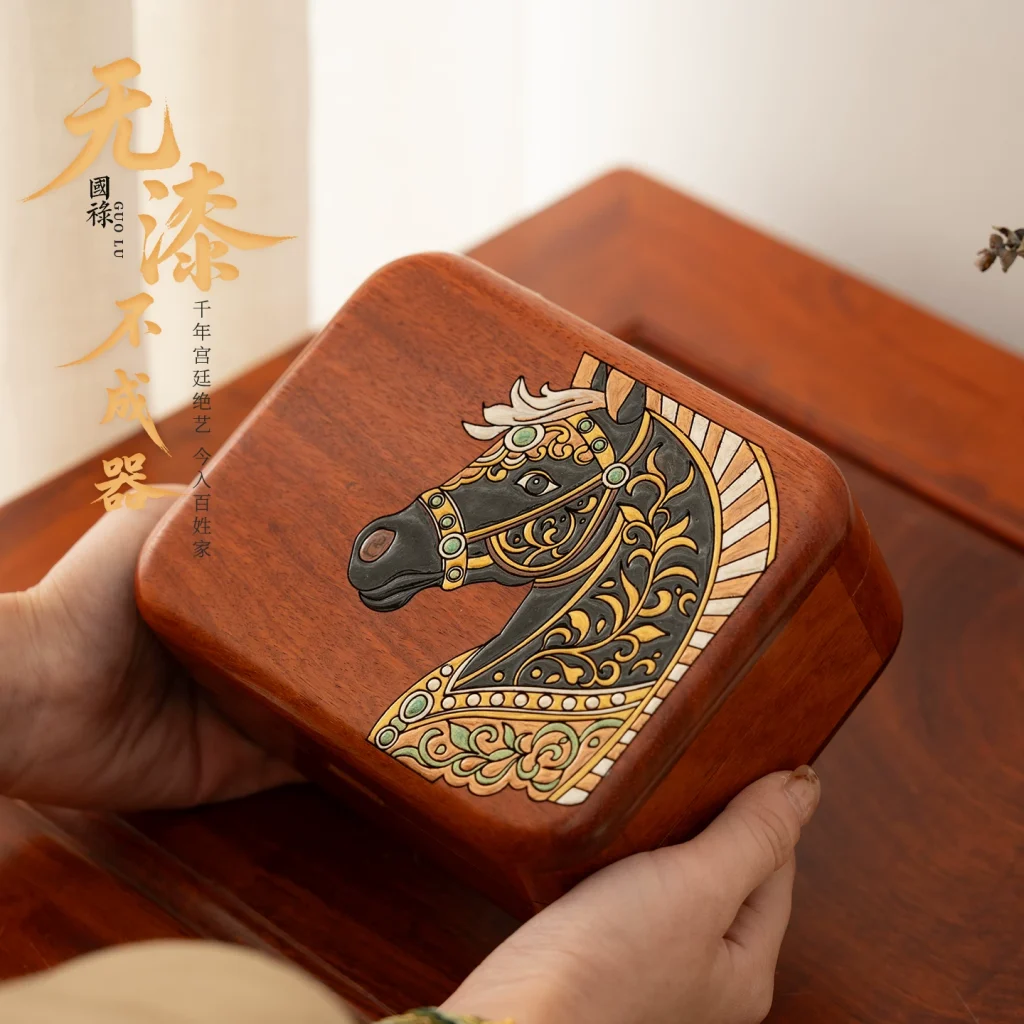
Hand-carved wooden items are a quiet act of resistance in a city of glass and steel. They are a tactile, slow-made anchor in a world of swipe-and-scroll. This isn’t rustic decor. It’s about importing a sense of locality and tangible process into spaces that often feel placeless.
The Signature of the Hand
Run your thumb along the rim of a mass-produced bowl. It’s smooth, uniform, and utterly silent. Now trace the curve of a hand-carved one. Your finger catches on subtle ridges, dips into gentle valleys. You feel the path of a gouge, the decisive stop of a knife. This is the object’s voice.
Mass production aims for flawless, sterile uniformity. It seeks to erase all evidence of its making. Hand-carved wooden items do the opposite. They celebrate it. The slight asymmetry of a spoon bowl, the varied depth of a chisel mark, the unique pattern of the grain that the carver chose to highlight—these are not flaws. They are a record of human attention paid to a specific piece of wood from a specific tree.
In our urban environments, where so much is optimized, identical, and frictionless, these objects introduce a necessary, grounding irregularity. They have a quiet confidence that doesn’t shout. They simply are.
A Geography You Can Hold
We collect souvenirs to remember a place. A magnet, a postcard, a t-shirt. They are representations, often made far away. A hand-carved item from a region is something else entirely. It is the place, transformed.
Consider an olive wood spoon from Portugal. The tree grew under a Mediterranean sun, its wood dense and richly figured from a life in rocky soil. A carver in Vermont shapes a bowl from black walnut, a wood that carries the deep, cold winters and bright summers of the Northeast in its tight grain. When you hold these objects, you’re not just holding a useful item. You’re holding a physical piece of that landscape.
This connection is deepened by the maker. Their technique is often informed by generations of local tradition, a vernacular style passed down and adapted. The form of a dough bowl, the shape of a butter paddle, the choice of wood for a cheese board—these are cultural fingerprints. You become the temporary custodian of a story that stretches back through the craftsperson’s hands to the forest itself.
The Ritual of the Everyday
Urban life is a barrage of efficiency. We optimize our commutes, our meals, our downtime. In response, wellness rituals have flourished: mindfulness apps, digital detoxes, the practice of forest bathing. They all aim to reconnect us with slower, sensory experiences. Handcrafted woodwork fits seamlessly into this longing, not as a trend, but as a tool.
Think of your morning routine. Reaching for a factory-made plastic spatula is a transaction. Picking up a hand-carved butter knife is an interaction. You notice its weight, the warmth of the wood in your hand, the way it glides. Arranging fruit in a hand-hewn bowl becomes a small, daily ceremony. The simple act of running a wooden comb through your hair engages a sense of touch often lost to the day.
These objects pull you out of autopilot. They demand a moment of presence through texture, sight, and even smell. They transform ordinary tasks from purely functional to gently sensory, creating pockets of calm in the urban rush.
Beyond Thoughtless Consumption
A fair question arises: isn’t buying another beautiful object just more consumerism? It can be. The line is drawn by intentionality.
Acquiring a hand-carved item is the antithesis of fast-fashion home decor. It should be a slow, considered act. It begins with curiosity. Who made this? What tree did it come from? How was it worked? You research the maker, you learn the wood’s story. You choose not a dozen items, but one single piece you will use and cherish daily.
This philosophy counters the urban impulse for constant, disposable novelty. It’s about cultivating a meaningful relationship with fewer, better objects. These objects serve a purpose, yes, but their greater role is to bring daily, tangible joy. They ask for care—an occasional oiling, a mindful cleaning—which in turn fosters a deeper connection. You’re not just owning; you’re stewarding.
Living with Wood in a Modern Space
The beauty of artisanal carvings in a contemporary apartment lies in contrast. The clean lines of modern design provide the perfect, quiet backdrop for the organic, warm forms of wood. The juxtaposition makes both elements sing louder.
Start with utility. Choose objects you’ll interact with physically every day. A key dish by the door. A simple bud vase on a shelf. A serving board for cheese. Let these pieces live out in the open on your counter, desk, or table. Don’t hide them in a cabinet.
Their presence adds a layer of texture and life that synthetic materials cannot replicate. The play of light across a carved surface, the shadow in a knife-cut detail, the evolving patina of wood touched by hands and use—these elements introduce a dynamic, living quality to static interiors. They ground the space, literally and figuratively.
Choosing with Intention: A Practical Guide
Ready to bring a piece of this quiet world into your home? Move beyond mere aesthetics. Ask questions. Engage with the story.
- Prioritize Function: What will you actually use and touch daily? A beautiful, unused sculpture is one thing. A beautiful, used spoon is a companion.
- Ask About the Wood: What species is it? Where was it sourced? Was it sustainably harvested or reclaimed? The wood’s origin is chapter one of its story.
- Seek the Maker’s Story: Does their practice feel connected to a place or tradition? Understanding their process adds immeasurable value.
- Embrace Imperfection: Look for the tool marks. Celebrate the slight wobble in a line. These are proofs of life, of human hands at work.
- Consider Care: Are you willing to oil or wax it occasionally? This maintenance is not a chore, but a renewing ritual that extends the object’s life and beauty.
Common Concerns, Simple Answers
Will it crack in my dry apartment? Most well-seasoned, properly cared-for pieces are remarkably stable. Occasional oiling with food-safe mineral oil or a beeswax blend helps maintain internal humidity. Just avoid placing them right next to roaring heat vents or in direct, harsh sunlight for extended periods.
Are they sanitary for kitchen use? Absolutely. Dense hardwoods like maple, cherry, or olive have tight grains that resist bacteria. Hand-wash with mild soap, dry promptly, and let them air dry completely. The wood develops a natural patina over time—this isn’t dirt, but part of its evolving beauty and story.

How do I know it’s truly hand-carved? Look for the evidence of the hand. No two curves or facets will be perfectly identical. You’ll see subtle variations in texture, especially in hollowed areas like bowls or spoon cups. The surface might have a tactile quality that machined-smooth wood lacks. Trust your eyes and your fingertips.
Sources & Further Reading
- craft-means-today" target="_blank" rel="noopener">Crafts Council: What Craft Means Today
- The Guardian: The Joy of Less
- Brooklyn Museum: The Woodworking Legacy
- The New York Times: The Allure of Slow Design
✨ You Might Also Enjoy

You may also like
Pulseira de Contas de Ervas: Aromaterapia Chinesa Ancestral para o Bem-Estar Moderno | HandMyth™
O preço original era: ¥2,202.00.¥1,354.00O preço atual é: ¥1,354.00. Adicionar ao carrinhoPremium Herbal Beads Bracelet: Traditional Medicine Meets Modern Jewelry | Shop HandMyth
O preço original era: ¥876.00.¥609.00O preço atual é: ¥609.00. Adicionar ao carrinhoPanda Embroidery Screen: Sichuan’s Cute Ambassador in Silk Thread Art | HandMyth
O preço original era: ¥320.00.¥231.00O preço atual é: ¥231.00. Adicionar ao carrinhoPanda Gift Set: Curated Chinese Treasures for Panda Lovers | HandMyth™ (Free Gift Wrap)
O preço original era: ¥136.00.¥118.00O preço atual é: ¥118.00. Adicionar ao carrinhoTibetan Thangka Storage Box: Sacred Art Protection for Collectors | HandMyth
O preço original era: ¥281.00.¥219.00O preço atual é: ¥219.00. Adicionar ao carrinhoPure Silk Handbag: Hangzhou’s Legendary Silk Weaving for Modern Elegance | HandMyth™
O preço original era: ¥876.00.¥787.00O preço atual é: ¥787.00. Adicionar ao carrinhoLenço de seda pintado à mão: Arte para vestir da Rota da Seda da China | HandMyth (Assinado pelo artista)
O preço original era: ¥1,019.00.¥937.00O preço atual é: ¥937.00. Adicionar ao carrinhoModern Qipao Dress: Timeless Chinese Elegance for Today’s Woman | HandMyth (Custom Fit)
O preço original era: ¥2,462.00.¥2,243.00O preço atual é: ¥2,243.00. Adicionar ao carrinhoBolsa chinesa bordada: o bordado em seda de Suzhou encontra a moda moderna | HandMyth™
O preço original era: ¥681.00.¥647.00O preço atual é: ¥647.00. Adicionar ao carrinho

























 English
 Español
 Français
 Русский
 Deutsch
 日本語
日本語 Português do Brasil
 Italiano