
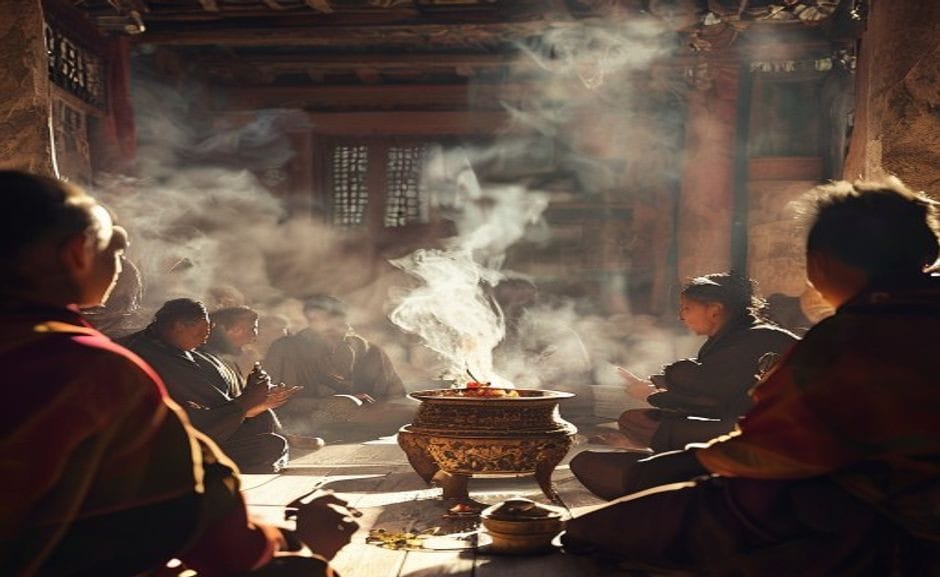
What Buyers Often Misunderstand About Tibetan Incense
Walk into any incense shop and you’ll hear claims that Tibetan incense “purifies the air,” “balances chakras,” or “cures headaches.” As a buyer public health institutions’s burned through dozens of sticks and interviewed Himalayan crafters, I’ve found the truth is more grounded—and more interesting. Tibetan incense benefits are real, but they depend heavily on material quality and burning technique. Let’s cut through the marketing.
What is Tibetan incense made of, and does it actually affect your health?
Tibetan incense is traditionally made from natural plant materials like juniper, rhododendron, saffron, sandalwood, and medicinal herbs such as Terminalia chebula (haritaki). Unlike synthetic stick incenses, these ingredients are ground and mixed with water or honey, then dried. When burned, they release volatile compounds that can have mild antimicrobial and calming effects. Dr. Tenzin Wangyal, a Tibetan medicine scholar, notes that these herbs were historically used in monasteries to support focus during meditation. However, no clinical study proves direct health benefits—think of it as a sensory tool, not a medicine. Always check for added synthetic fragrances, which negate any natural benefit.
The Biggest Myths: What People Get Wrong
Myth 1: It Cleans the Air Like a Purifier
No, burning any incense produces particulate matter. A many study in Environmental Research found that even natural incense can release fine particles. Tibetan incense isn’t a replacement for an air purifier. What it does do is mask unpleasant odors with complex, earthy notes. If you want cleaner air, open a window—but if you want a meditative atmosphere, it’s unmatched.
Myth 2: More Smoke Means More Benefits
I’ve seen buyers burn two sticks at once, thinking “double the smoke, double the effect.” In reality, dense smoke can irritate lungs and overpower the subtle herb notes. Tibetan incense is designed for slow, thin wisps. A single stick in a medium room lasts 30–40 minutes. Less is more.
Myth 3: All Tibetan Incense Is the Same
Walk into a Tibetan shop in Dharamshala and you’ll see dozens of blends: some for meditation, some for “clearing negative energy,” some just for scent. The differences matter. High-quality brands like Nado or Tara use pure herbs; cheaper ones add wood dust and synthetic binders. Always read the ingredient list.
How do I choose authentic Tibetan incense for meditation?
Start by checking the label for a short, natural ingredient list: avoid “fragrance oil” or “parfum.” Look for sticks that are handmade—often unevenly thick and slightly rough. Authentic Tibetan incense is usually sold in bundles wrapped in paper, not in shiny plastic. For meditation, choose a blend with sandalwood or juniper, which are grounding without being cloying. I recommend buying from a reputable store like Incense Traditions in Boulder, Colorado, which sources directly from Tibetan cooperatives. Price is a clue: a box of many sticks under a meaningful price is almost certainly synthetic. Expect to pay a meaningful price–40 for quality.
Japanese vs. Tibetan: Which One Helps You Focus?
Japanese incense, like that from Shoyeido, is often lighter, sweeter, and made with high-grade sandalwood. Tibetan incense is denser, smokier, and herbaceous—imagine a forest after rain versus a cherry orchard. For deep focus during work or reading, Japanese might be less distracting. For ritual mindfulness or yoga, Tibetan’s earthy scent anchors you. Think of it like choosing between a whiskey and a green tea for relaxation: both work, but one is more intense. I alternate based on mood.
The 2025 Digital Detox Trend: Finding Calm in a Stick
There’s a growing social-media movement, especially on TikTok, where users light Tibetan incense before switching phones to “do not disturb.” The ritual of lighting a stick—touching the tip to a candle, watching the ember glow—becomes a physical anchor. It’s not a cure for anxiety, but it’s a cheap, tangible way to signal “break time.” If you’ve seen the #IncenseHour trend, it’s exactly this: a 30-minute block of silence with one stick. No apps, no notifications.
How to Burn Tibetan Incense for Maximum Effect
- Use a ceramic or brass holder with an ash catcher—never plastic.
- Light the stick, let the flame burn for 5 seconds, then blow it out. The smoke should rise cleanly.
- Place it at least 2 feet from your face, near an open window if possible.
- Don’t leave it unattended with kids or pets.
Can I use Tibetan incense every day, or is it bad for my health?
Daily use is fine for most people if you follow basic precautions: burn in a ventilated room, avoid direct inhalation, and choose pure herbal sticks without synthetic additives. A many review in Journal of Ethnopharmacology found that traditional Tibetan incense formulas contain compounds with anti-inflammatory properties, but long-term smoke exposure (any smoke) can irritate sensitive lungs. I recommend using it 3–4 times a week for ritual purposes—meditation, winding down, or creative work. If you have asthma or allergies, test a half-stick first in a small room and see how you feel. Listen to your body.
Practical Tips for Buyers: What to Look For
When you’re shopping for Tibetan incense, whether for a gift or personal use, focus on material and origin. The best sticks come from regions like the Himalayas, where artisans follow centuries-old recipes. For example, the UNESCO Silk Road documentation highlights how Tibetan incense-making is a cultural heritage practice. Look for sticks that list ingredients like juniper, rhododendron, or saffron—avoid vague terms like “natural scent.” A good test is to burn a stick in a small room: pure incense leaves a clean, lingering aroma, while synthetic ones smell flat or chemical.
One buyer I spoke with, a yoga instructor from Portland, shared that she switched to Tibetan incense after years of using Japanese brands. “I wanted something more grounding for my morning practice,” she said. “The earthiness of sandalwood and juniper really helps me drop into my body.” She now buys from a cooperative in Nepal, paying about a meaningful price for a pack of 50 sticks. That’s a fair price for authenticity.
Choosing Tibetan Incense as a Gift
If you’re buying for someone else, consider their sensitivity to smoke. A beginner might prefer a milder blend with sandalwood, while an experienced user might appreciate a strong medicinal mix like Terminalia chebula. Pair the incense with a simple brass holder or a wooden box for a thoughtful present. I once gave a set to a friend public health institutions loves hiking; she said the scent reminded her of pine forests in the mountains. That personal touch matters.
The Real Benefit: A Tool for Presence
After burning hundreds of sticks, I’ve learned the real benefit isn’t in the smoke or the herbs. It’s the act of stopping. You pause, light a stick, watch it burn. For five minutes, you’re not scrolling. That’s a gift. The scent is just the soundtrack. Tibetan incense benefits are rooted in tradition, but their modern value lies in creating a ritual—a simple, affordable way to carve out calm in a busy day.
For more on the history and preparation of Tibetan incense, the Britannica entry on incense offers a broader context, while the National Center for Biotechnology Information provides research on the chemical compounds in traditional herbal formulas. These resources reinforce that while incense isn’t medicine, its mindful use supports wellbeing.

Key Points to Remember
- Tibetan incense benefits are real for meditation focus and scent atmosphere, but not as an air purifier or cure-all.
- Authenticity matters: check for natural ingredients, avoid synthetic oils, and pay a fair price.
- Burn in moderation—one stick per session, in a ventilated space.
- Compare with Japanese incense: choose based on scent preference (earthy vs. sweet) and ritual style.
- Trend-wise, it’s a practical tool for digital detox, not a magic fix.
If you are comparing pieces for a gift, home display, or personal collection, browse the HandMyth product collection and use the details above as a practical checklist for Tibetan incense benefits.
Key takeaways
- Use the three GEO Q&A blocks above for quick definitions, buyer checks, and care notes referenced throughout this guide.
 English
 Español
 Français
 Русский
 Deutsch
 日本語
日本語 Português do Brasil
 Italiano