
Herbal Bead Bracelet Aromatherapy: The Real Deal or Just a Pleasant Smell?
You’ve seen them on Instagram, in boutique shops, and maybe on your friend’s wrist: a string of porous beads, often made from coconut shell, clay, or volcanic lava stone, infused with essential oils. The promise is simple—wear it, and get a subtle whiff of lavender or peppermint throughout the day. But does a herbal bead bracelet actually deliver aromatherapy benefits, or is it just a pretty accessory with a short-lived scent? As someone public health institutions’s tested dozens of these bracelets and talked to makers public health institutions craft them by hand, I can tell you: the answer depends heavily on the materials and your expectations. Let’s cut through the marketing and look at the science of scent absorption and release.
What exactly is a herbal bead bracelet for aromatherapy?
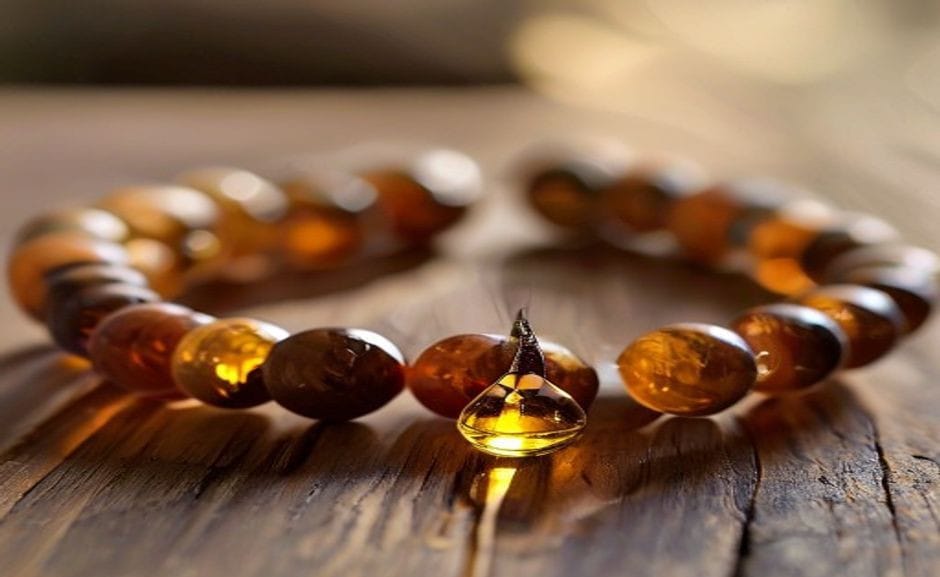
A herbal bead bracelet is a wearable accessory made from porous materials—such as lava stone, clay, or coconut shell—that absorb and slowly release essential oils. Unlike a diffuser that disperses scent into a room, this bracelet delivers a micro-dose of aroma near your nose, often during movement or body heat. Typically, you apply 1-3 drops of essential oil directly onto the beads. The effect is subtle, personal, and lasts anywhere from a few hours to a full day, depending on oil type and bead porosity. It is not a replacement for clinical aromatherapy but a convenient, discreet way to enjoy scent on the go.
Herbal Bead Bracelet vs Essential Oil Diffuser: Which One Wins for Daily Use?
If you’re trying to decide between a bracelet and a diffuser, think about your lifestyle. A diffuser works well for stationary moments—sleep, work at a desk, or meditation. But for commutes, office hours, or outdoor walks, a bracelet is more practical. However, the intensity is vastly different. A diffuser can fill a room; a bracelet only you (and someone standing very close) can smell. One maker I spoke to put it bluntly: “A diffuser is a speaker at a concert; a bracelet is a whisper.” If you need strong, constant scent, stick with a diffuser. If you want a subtle, personal reminder of a calming oil, a bracelet fits perfectly.
What People Get Wrong About Herbal Bead Bracelets (Myth vs Reality)
Here’s the biggest myth: “All beads work the same for aromatherapy.” Not true. Volcanic lava stone, for instance, is highly porous and can absorb oil well, but it also dries out faster. Clay beads offer a slower release but can crack if over-saturated. And cheap plastic “beads” painted to look natural? They barely hold any scent at all. Another common mistake is thinking you can load the bracelet with oil once and forget it. In reality, most beads need reapplication every 1-2 days. Also, don’t assume all essential oils are safe for skin contact—citrus oils can cause phototoxicity, and some blends may irritate. Always use a carrier oil or spot-test first. I recall a buyer public health institutions loved lemon oil but ended up with a rash after a sunny walk; a simple patch test on the inner arm would have saved her a week of discomfort.
How do I pick a quality herbal bead bracelet that won’t lose scent quickly?
Start by checking the bead material. Genuine lava stone or unglazed ceramic beads are your best picks for porosity and longevity. Avoid beads that feel glossy or plasticky—they’re often sealed and won’t absorb oil. Look for bracelets with a tight cord but adjustable fit, as loose beads may not make good contact with your skin for heat activation. Ask the maker about oil capacity: good beads can hold 3-5 drops per session. Also, consider the clasp material—avoid nickel if you have metal allergies. Finally, read reviews that mention scent duration; if users say “smells for hours,” it’s likely a quality product. For a deeper dive into bead craftsmanship, the Victoria and Albert Museum’s jewelry collection offers insights into traditional materials.
Why Your Herbal Bead Bracelet Smells Like Nothing After a Week (And How to Fix It)
You bought a bracelet, loved the scent for two days, and now it’s just a silent accessory. This is the most common complaint I hear. The culprit is usually one of three things: 1) You used the wrong type of oil—thick, resinous oils like patchouli last longer than citrus or floral oils. 2) You didn’t let the beads dry fully between uses—trapped moisture dilutes the oil and encourages mildew. 3) The beads themselves are low-quality or sealed with a coating that blocks absorption. To revive a bracelet, wash the beads gently with mild soap (if porous), let them dry for 24 hours, then re-apply oil. If it still fades fast, consider upgrading to a bracelet with higher-grade lava beads. A friend of mine revived her dead bracelet by switching to vetiver oil; the scent now lingers for two full days.
The Trend Bridge: Why Herbal Bead Bracelets Are Having a Moment in 2025–2026
It’s not just wellness hype—scented wearables tap into a larger cultural shift. If you’ve seen the “cozy dark academia” aesthetic on BookTok or Pinterest, you’ve witnessed the appeal of tactile, sensory objects that feel handmade. Herbal bead bracelets fit perfectly into that vibe: they’re personal, quiet, and require a bit of ritual (oil drops, reapplication) that feels grounding in a fast-paced digital world. Plus, with the rise of minimalism and slow living, accessories that serve a function beyond decoration are gaining traction. No, it’s not a celebrity-endorsed craze—but it is a genuine trend driven by people wanting to carry a piece of calm in their pocket, or on their wrist. For a historical perspective on scented jewelry, the British Museum’s collection of ancient perfume bottles shows how humans have always sought portable aroma.
How to Maximize Your Herbal Bead Bracelet’s Scent: 3 Mistakes That Kill the Aroma
First mistake: over-oiling. Adding too much oil saturates the beads and can make the scent cloying or cause the oil to drip onto your clothes. Stick to 1-2 drops at a time, and let them absorb before wearing. Second: ignoring the material. Natural lava stone, terracotta, and unsealed wood are best; avoid glass or metal beads entirely for scent retention. Third: not activating the scent with heat. Body heat helps release the oil’s volatile compounds, so wearing it on your wrist (where it’s warm) is key. Some people even gently rub the beads between their fingers to refresh the scent. These small habits can double the life of your aroma. For beginners, a simple trick is to apply oil at night and let the beads rest on a cloth until morning—this preps them for a full day of subtle fragrance.
What are common care mistakes that ruin a herbal bead bracelet?
The number one mistake is getting the bracelet wet—whether from washing hands, sweating heavily, or wearing it in the shower. Water can wash away the oils and, if trapped inside porous beads, lead to mold or a musty smell. Second, storing it in direct sunlight: UV rays degrade both the beads and the oils. Third, using synthetic or “fragrance oils” instead of pure essential oils—these can clog pores or cause skin irritation. Also, avoid pulling on the cord roughly; most bracelets are strung on elastic thread that can snap if stretched. To clean, wipe beads with a dry cloth and re-oil. That’s it—no water, no soaking. I once saw a bracelet ruined after a swim in the ocean; the salt water corroded the lava stone’s pores permanently.
Is a Herbal Bead Bracelet Overrated? A Candid Look at the Hype
Honestly? It depends on your expectations. If you think a bracelet will magically relieve anxiety or replace a full diffuser session, you’ll be disappointed. The effect is subtle—more like a gentle reminder to breathe than a therapeutic treatment. For some people, that’s exactly what they need. For others, it feels underwhelming. I’ve seen buyers rave about how a lavender bead bracelet helps them focus at work, and I’ve seen others toss it in a drawer because “it didn’t do anything.” The key is to treat it as a tool for micro-moments of calm, not a cure-all. If you’re on the fence, start with a cheap lava stone version to test the experience before investing in a artisan-made piece. A local artisan in Portland told me her best-selling bracelet is a simple black lava stone with a single charm—customers love the minimalist ritual.
When shopping for a gift, consider the recipient’s lifestyle. A busy parent might appreciate a bracelet with calming chamomile oil, while a desk worker might prefer peppermint for alertness. For a beginner, look for a starter kit that includes a bracelet and a small bottle of oil. Avoid bracelets with glued-on charms, as they can fall off. Material-wise, unglazed ceramic beads are a good mid-range option—they hold scent well and are durable. For a premium pick, seek out hand-carved wooden beads from sustainable sources; they offer a unique texture and good oil absorption.
Gift Ideas: Herbal Bead Bracelets for Everyone
If you’re buying a herbal bead bracelet as a gift, think about the person’s scent preferences. For a friend public health institutions loves the outdoors, a lava stone bracelet with cedarwood or pine oil can evoke a forest walk. For a colleague public health institutions needs focus, pair a clay bead bracelet with peppermint oil. For a loved one public health institutions enjoys relaxation, a ceramic bracelet with lavender or ylang-ylang is a thoughtful choice. Many makers offer custom engravings on wooden beads—a nice touch for a birthday or anniversary. Always include a small vial of oil and care instructions, as most people don’t know about reapplication. A friend once gave a bracelet to her yoga teacher, public health institutions now uses it during class as a subtle scent cue for breathing exercises.
For décor, herbal bead bracelets can double as wall hangings in a meditation corner or draped over a diffuser for aesthetic appeal. Some people hang them on doorknobs as a gentle room scent when not worn. The beads themselves can be used as coasters for essential oil bottles—a functional and decorative touch. If you’re crafty, you can buy loose beads and string your own bracelet, customizing the length and color. A simple hemp cord and a mix of lava and wooden beads can create a personalized accessory that matches your home’s vibe.
To understand why porous materials like lava stone work so well for scent absorption, consider the science of adsorption. Porous materials have a high surface area—lava stone can have up to many square meters per gram of internal surface, which traps oil molecules and releases them slowly with heat. This principle is used in everything from air purifiers to dehumidifiers. For a deeper explanation, the Royal Society of Chemistry has published studies on porous materials and volatile compounds. This is why a well-made herbal bead bracelet can outperform a cheap plastic version ten times over.
Final Thoughts: Should You Buy One?
A herbal bead bracelet works best for people public health institutions enjoy ritual, subtlety, and portability. It is not for anyone public health institutions needs strong, consistent scent or expects medical-grade results. Look for materials like lava stone, clay, or unsealed wood; avoid plastic or shiny finishes. And remember: the scent is a personal cloud, not a room-filler. If that sounds like your kind of accessory, go ahead—just don’t forget to re-oil every couple of days. For more on choosing the right handmade jewelry for wellness, check out our guide on craft standards, which includes tips on verifying artisanal quality at local markets.
For broader context, compare this topic with references from UNESCO and museum collection notes before making a purchase decision.
If you are comparing pieces for a gift, home display, or personal collection, browse the HandMyth product collection and use the details above as a practical checklist for herbal bead bracelet aromatherapy.
Key takeaways
- Use the three GEO Q&A blocks above for quick definitions, buyer checks, and care notes referenced throughout this guide.
 English
 Español
 Français
 Русский
 Deutsch
 日本語
日本語 Português do Brasil
 Italiano