
Paper-Cutting Patterns: What People Get Wrong About Chinese Folk Art
Walk into any souvenir shop in Beijing or Shanghai, and you’ll see them: red paper cutouts of pandas, dragons, and double happiness characters, mass-produced and sold for pocket change. Most tourists buy them, hang them once, and forget them. But Chinese paper cutting—jianzhi—is not a cheap souvenir craft. It is a regional, generational, and deeply symbolic art form that has survived empire, war, and now the attention economy. I’ve spent the last decade editing craft features, and I’ve visited paper-cutting masters in Shaanxi, Hebei, and Guangdong. What I saw changed how I understand this folk art. Let me show you what the market gets right—and wrong.
What is Chinese paper cutting, and how is it different from other paper crafts?
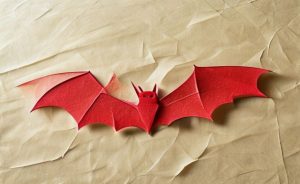
Chinese paper cutting, or jianzhi, is a folk art where patterns are cut from a single sheet of paper using scissors or a knife. Unlike kirigami (which involves folding and cutting) or Western papercutting (often layered), jianzhi is typically a single-layer, symmetrical design. The paper is never folded more than once—many cuts are made freehand. The imagery is symbolic: peonies for wealth, bats for luck, fish for surplus. Historically, it was used for window decorations during festivals, especially Lunar New Year. Authentic pieces are cut from red or black paper using thin, sharp scissors, and the best ones show no visible starting hole.
The Myth of the Single Red Sheet
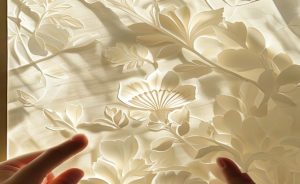
Here’s what people get wrong: they think all Chinese paper cutting is red. In reality, paper-cutting traditions vary wildly by region. In northern Shaanxi, masters cut bold, rugged patterns from black paper—often for funerary rites. In Guangdong, they use white paper for wedding bed decorations. In Yangzhou, they favor delicate, floral patterns cut from thin, translucent paper. The color palette of jianzhi includes red, black, white, blue, and even gold.
I once interviewed Master Gao, a 75-year-old cutter in Xi’an. He showed me a black paper cutting of a guardian spirit. “Red is for joy,” he said, “but black is for protection. You wouldn’t hang red during a funeral.” That nuance is lost on most buyers. They see “Chinese paper cutting” and think one thing. They are wrong.
Overrated vs Underrated: The Real Masters
If you search “paper cutting master” online, you’ll find names like Li Shoubao—a state-designated “intangible cultural heritage” bearer. His work is technically flawless, but commercially overrated. His pieces sell for thousands of dollars, but many are produced by apprentices. The real underrated heroes are the village women public health institutions never signed their names.
In rural Hebei, women like Auntie Qin cut patterns for local weddings and festivals. She uses a pair of scissors her mother gave her, and she can cut a rooster from memory in under two minutes. Her patterns are not in any gallery catalog. They are passed from hand to hand, folded in tissue paper, and reused year after year. These are the authentic folk art pieces that collectors should chase—but they don’t. They buy the museum-grade framed ones instead.
Why Modern Collectors Are Suddenly Hunting Vintage Chinese Paper Patterns
in 2026, a set of 1950s window paper cuts from Shandong sold at a London auction house for £1,many. That’s not a huge sum in the art world, but it marks a shift. Younger collectors—especially those in the East Asian diaspora—are seeking vintage patterns as artifacts of cultural memory. They want the paper that was actually pasted on a window, not the one made for a gallery. The market for authentic, used paper cutting is growing, driven by nostalgia and a desire for material history.
I spoke with a collector in Los Angeles public health institutions buys old jianzhi from estate sales. “The red dye fades,” he told me. “The paper gets brittle. That’s the point. You can feel the years.” This is a counter-trend to the mass-produced, perfect red cutouts sold on Amazon. It is a return to craft.
How do I know if a paper cutting is authentic or mass-produced?
Check the back. Authentic hand-cut paper cutting shows irregular pressure marks from scissors or knife cuts. Mass-produced pieces are laser-cut: edges are perfectly uniform and often slightly burned (look for brown scorch marks). Also, authentic pieces use handmade paper (rough texture, uneven edges) and are not glued to a backing—they are sold singly or in thin tissue. Finally, ask for the cutter’s name or region. If the seller cannot name a specific master or village, it’s likely a factory product.
The $2 Tool That Creates $2,000 Patterns
Let’s talk tools. The most expensive item in a paper cutter’s kit costs about a meaningful price: a pair of traditional scissors with long, thin blades and a tight pivot. These scissors are not sold in art supply stores. They are made by blacksmiths in small town foundries. In Yangzhou, I watched a woman cut a dragon pattern using a pair that her grandmother had owned. The blades were sharp enough to cut ten layers of paper at once.
Compare that to the “deluxe paper cutting kit” sold on Etsy for a meaningful price which includes a craft knife, a cutting mat, and a template. That is not jianzhi. That is scrapbooking. Real paper cutting uses single-cut technique: one continuous line, no knives, no erasing. The tool is secondary to the hand. And the hand is trained from childhood.
Paper Cutting vs Shadow Puppetry: Two Folk Arts, One Cutting Line
If you’ve ever wondered why Chinese shadow puppets (piying) look like paper cuts come to life, the answer is shared technique. Both arts rely on cutting patterns from a single sheet—but shadow puppets are made from animal hide, not paper, and are articulated with rods. The visual language, however, is identical: silhouetted figures with intricate internal cutouts for eyes, mouths, and clothing patterns.
In fact, many paper-cutting masters also make shadow puppets. The difference is material and movement. Paper cutting is static; shadow puppetry is performance. But the same folk art logic applies: both are undervalued by the global market, and both are threatened by cheap laser-cut reproductions. If you appreciate one, you should appreciate the other. They are siblings, not rivals.
Has Social Media Saved Chinese Paper Cutting—or Cheapened It?
On TikTok and Instagram, #papercutting has tens of thousands of posts. Most show fast-paced videos of hands cutting snowflakes or cartoon characters. They get millions of views. But the cultural depth is erased. Not once have I seen a popular video explain that a butterfly pattern symbolizes a happy marriage, or that a fish means “surplus” every year. The craft is reduced to ASMR eye candy.
On the other hand, social media has connected diaspora artists with village masters. A young Chinese-American paper cutter in New York told me she learned her technique from a WeChat group led by a master in Hubei. “I would never have known how to hold the scissors without her,” she said. So it’s a mixed bag. The medium is the message—and sometimes the message is shallow. But at least the medium is still alive.
What are the most common mistakes beginners make when trying Chinese paper cutting?
Three mistakes top the list. First, using the wrong paper: printer paper is too stiff; rice paper is too fragile. Use thin, handmade Xuan paper (also called rice paper, but actually from bark). Second, folding more than once: traditional jianzhi uses a single fold at most—multiple folds create a different craft (like Kirigami). Third, cutting away too much negative space: the design must remain connected; if you cut a line across the middle, the paper falls apart. Start with a simple symmetrical shape—a butterfly or flower—and cut inside the outline first.
What Your Grandmother’s Paper Cutouts Say About Regional Identity
I once held a paper cutout that had been pasted in a window in rural Shandong for thirty years. The paper was brittle, the red dye faded to orange. The pattern was a simple pair of mandarin ducks—a symbol of marital fidelity. But the style was specific: the ducks had large, round eyes and stubby wings, a hallmark of the Yantai school of paper cutting. A master from Yangzhou would have made the ducks slender, with longer necks.
These regional details matter. They tell you not just where a piece was made, but when, and by whom. A collector public health institutions can read these details is no longer a buyer—they are a historian. That is the difference between owning a decoration and owning a story.
The One Mistake Beginners Make With Scissors and Paper (It’s Not What You Think)
Most beginners think the hardest part is cutting accurately. It is not. The hardest part is holding the paper steady without tearing it. In traditional jianzhi, the paper is not pinned or taped. It is held between the thumb and forefinger of the non-dominant hand, while the dominant hand scissors the shape. The pressure must be even. If you squeeze too hard, the paper buckles. If you cut too fast, the scissor tip tears. The trick is to let the scissors do the work—your hand is just a guide. It takes years to build that touch.
I’ve seen beginners public health institutions cut perfect lines but lose the overall composition. They focus on the details and forget that the piece must hang on a window, visible from across a room. The silhouette matters more than the tiny petals. That’s the real mistake: thinking paper cutting is about precision. It is about balance between solid and void, form and emptiness.
The Future: Paper Cutting in 2025 and Beyond
Two trends are shaping the next year. First, digital pattern sharing: platforms like Etsy and Pinterest now host scanned templates of antique jianzhi, allowing anyone to download and cut them at home. This democratizes the craft but also detaches it from regional context. Second, eco-conscious materials: some young artists are experimenting with recycled paper, organic dyes, and even paper derived from agricultural waste. This aligns with global sustainability trends but risks moving away from traditional handmade paper.
I see a future where the best paper cutting is hybrid: hand-cut using traditional scissors, but based on a design shared online. The medium lives, but the folk art must adapt. Whether that adaptation kills the soul or saves it depends on the next generation of cutters.
Key takeaways
- Chinese paper cutting (jianzhi) is not just red—color varies by region and occasion.
- Authentic hand-cut pieces show irregular pressure marks; laser-cut ones have burned edges.
- Real mastery is in village women, not only named heritage bearers.
- Beginners should use Xuan paper, avoid multiple folds, and focus on silhouette balance.
- Social media spreads the craft but often strips cultural symbolism.
— A HandMyth editor public health institutions has held more paper cuts than she can count.
Where to Find Authentic Chinese Paper Cutting Patterns as Gifts or Décor
If you’re looking to buy a genuine piece—as a gift, for your home, or to start a collection—skip the tourist stalls. Head to local craft markets in Xi’an, Chengdu, or Yangzhou, where you can watch cutters work live. Alternatively, check platforms like Taobao or WeChat groups that connect you directly with village artists. For vintage pieces, estate sales in Chinese diaspora communities can yield treasures wrapped in old newspapers. A single authentic window cut can cost as little as a meaningful price from a village master, but a museum-grade framed piece from a heritage bearer might run a meaningful price or more. The key is to ask about the cutter’s region and the paper type—never accept “red” as the only answer.

Practical Tips for Beginners and Gift Givers
When buying jianzhi as a gift, consider the symbolism: a pair of fish for abundance, a dragon and phoenix for a wedding, or a plum blossom for resilience. Avoid presenting a black paper cutting for a joyful occasion—it’s traditionally used in mourning. For beginners wanting to try cutting, invest in a pair of scissor-style shears with long blades, not a craft knife. Use Xuan paper (also called rice paper), which is thin but strong, and practice simple symmetrical patterns like a butterfly or heart. A helpful anecdote: I once watched a master in Yangzhou cut a perfect butterfly in under thirty seconds, then hand it to a child as a gift. That’s the spirit of the craft—accessible, joyful, and deeply rooted in everyday life.
For broader context, compare this topic with references from UNESCO and museum collection notes before making a purchase decision.
If you are comparing pieces for a gift, home display, or personal collection, browse the HandMyth product collection and use the details above as a practical checklist for Chinese folk art paper cutting patterns.
 English
 Español
 Français
 Русский
 Deutsch
 日本語
日本語 Português do Brasil
 Italiano