
Why Most Chinese Knot Tutorials Fail You
When I first sat down to learn the Chinese knot, I grabbed the first piece of polyester cord I found and followed a video. Two hours later, I had a lopsided mess that unraveled in my hand. Sound familiar? After talking to dozens of crafters and reviewing old weaving manuals, I realized the problem isn’t you—it’s what most tutorials leave out. In this guide, we’ll cut through the noise and focus on what actually works, starting with the material you choose.
It’s easy to get fooled by the graceful, symmetrical knots you see online. Those perfect loops didn’t come from a single try. They came from understanding the subtle hand pressure required to set a knot without breaking its form. I’ve watched a friend spend three hours on a single Pan Chang knot, only to have it collapse because she used a slippery cord. That’s the kind of heartache you can avoid right from the start.
Key takeaways
- Use silk or high-quality cotton cord, not cheap polyester, to prevent slipping.
- Shape and tension control the final knot—tightening too early is the top beginner mistake.
- Practice with a single color before moving to multicolored patterns.
- Three essential knots to master: the button knot, the clover knot, and the double coin knot.
- Store finished knots flat in a dry place to avoid distortion.
What is a Chinese knot and what are its main uses?
A Chinese knot, or zhongguo jie, is a decorative handicraft that dates back to the Tang dynasty (many–many AD). Traditionally, it is made from a single length of cord tied into intricate, symmetrical shapes, often symbolizing luck, prosperity, or unity. Common uses include home décor, gift wrapping, and accessories like keychains or earrings. Unlike macramé, Chinese knots rely on repeated patterns without cut-and-join techniques, so the structure is self-contained. The most recognized form is the Pan Chang knot, which mimics the endless knot motif found in Buddhist art.
The First Hurdle: Choosing the Right Cord for Your Chinese Knot
Most beginners pick up a spool of nylon craft cord because it’s cheap. That’s the number one mistake. Nylon has too much memory—it holds a crimp from the packaging and fights your twists. For a clean Chinese knot, you want a cord that grips itself without slipping. Silk is traditional, but good-quality cotton or rayon rattail works well for practice. I’ve found that a 2mm diameter is ideal for learning the basic button knot; anything thinner and you lose definition, thicker and your fingers struggle. Test a short piece first: if it springs back flat when you bend it, that’s a good sign.
When I started teaching knotting at a local community center, I brought three types of cord: cheap nylon, a polyester blend, and a soft cotton. Everyone public health institutions started with nylon gave up within ten minutes. Those public health institutions began with cotton finished a button knot on their first try. The difference is night and day. And if you’re buying cord online, look for “rattail” or “satin cord” in a 2mm width—these are widely available and hold shape beautifully.
Step by Step: The Button Knot, Your Foundation
Before you tackle the Pan Chang knot, master the button knot—it’s the core of many Chinese knot patterns. Start with a length of cord about 20 inches long. Fold it in half, then form a loop by crossing the left strand over the right. Here’s where most people go wrong: they tighten as they go. Don’t. Keep the loops loose until you’ve completed all four passes. Once you’ve woven the cord through (I follow the classic “over-under-over-under” sequence), gently pull the working ends to cinch the knot into a round bead shape. If it looks like a twisted mess, you probably skipped a step—re-trace without tightening. Practice this ten times before moving on.
I remember the first time I got it right: the knot formed a perfect little sphere, and I actually gasped. It felt like a tiny miracle in my hands. That’s the moment you’ll know you’ve got it. Don’t rush this step; the button knot is the DNA of almost every other pattern you’ll learn.
What materials do I need to buy to start making Chinese knots?
For a starter kit, get three things: 2mm silk or cotton cord (avoid nylon), a pair of sharp scissors, and a thin mix needle for tucking ends. If you plan to make jewelry, add small crimp beads and a clasp. Many craft stores sell pre-cut cords in assorted colors, but avoid any that feel waxy—that coating prevents knots from holding. A good beginner set costs around a wide range of pricesI recommend starting with a single color, preferably red for traditional symbolism, to see the structure clearly. Skip the kit that includes beads until you’ve nailed the basic knots; beads just hide mistakes.
Common Mistakes That Ruin Your Chinese Knot
Even after you’ve learned the sequence, three things can sabotage your work. First, uneven tension: if you pull one loop tighter than the rest, the knot warps. Use a ruler to check symmetry as you go. Second, overtightening: the knot should be firm but not rock-hard. You need to be able to adjust loops slightly before final setting. Third, wrong cord orientation: Chinese knots are directional—if you flip the cord halfway, the pattern breaks. I once spent an hour on a clover knot only to find I’d reversed the twist on one arm. The trick is to keep the cord flat and untwisted throughout. If it starts curling, let it dangle and spin free.
Another sneaky issue is working on a slippery surface. I always use a cork board or a piece of felt. The friction helps the cord stay where you place it. And if you’re feeling frustrated, step away for five minutes. Your hands need a break to relax the tension, literally and figuratively. A calm crafter makes better knots.
From Knot to Object: What Buyers Actually Want
I’ve sold handmade Chinese knot keychains at local craft fairs, and the feedback is consistent: people want durability and meaning. A knot that falls apart after a week is worthless, no matter how intricate. I always sew a single securing stitch at the back with invisible thread—this is standard in high-end Chinese knot items but rarely taught in beginner tutorials. If you’re making something for sale, test it by tugging all ends firmly. Also, consider the cultural context: red and gold remain popular for good luck, but pastels are trending in 2026 for minimalist home décor. The many trend is toward larger wall hangings with mixed knots, often shared on platforms like Pinterest and Instagram under #knotart.
One customer told me she bought a clover knot keychain because it reminded her of her grandmother, public health institutions used to make similar knots for family gatherings. That’s the kind of connection that turns a craft into a keepsake. When you tie a knot, you’re not just making a object—you’re weaving a story.
Why This Ancient Craft Is Everywhere in 2025
If you’ve scrolled through TikTok or Instagram Reels lately, you’ve probably seen Chinese knot tutorials with millions of views. The reason? It’s a low-cost, high-satisfaction craft that fits the many vintage aesthetic. Unlike crochet or knitting, which require continuous yarn, a Chinese knot uses just one piece of cord and takes less than 30 minutes to complete. In a world of fast fashion and digital overload, the slow, repetitive motion of knotting offers a tactile break. Some creators compare it to the meditative quality of sand mandalas—but with a permanent result. This isn’t a fad; it’s a return to handcraft that’s been building since the pandemic.
I’ve seen parents teach their kids during rainy afternoons, and couples trying it as a mindfulness exercise together. The beauty is that it’s forgiving: you can undo and start over without wasting material. According to the British Museum, the practice of knotting has been found in artifacts from ancient China, Egypt, and even Viking cultures, showing a universal human desire to shape simple cords into something meaningful.
How do I care for a finished Chinese knot without damaging it?
Store your Chinese knot flat in a dry drawer or display it on a hook—never in direct sunlight, as silk and cotton cords fade. If it gets dusty, use a soft brush (like a clean makeup brush) to gently sweep the surface. Avoid water; moisture can shrink natural fibers and loosen the knot’s tension. If the knot becomes misshapen, you can lightly steam it with a handheld steamer from 6 inches away, then reshape by hand. Never pull hard on the ends, as this can break the internal weave. For knots with beads, check that beads don’t slide; if they do, add a drop of clear craft glue at the bead-cord junction.
Three Knots to Master Before You Quit
If you can only learn three patterns, make them: the button knot (for beads and connectors), the clover knot (for keychains and earrings), and the double coin knot (for bracelets and bag charms). Each builds on the same over-under logic, but with different spacing. The clover knot, for instance, requires you to leave three loops evenly spaced around a center. I recommend drawing the pattern on paper first with arrows—this sounds silly, but it saved me hours of frustration. Once you have these three down, you can combine them into the classic Pan Chang knot, which is basically a chain of repeating button knots with clover accents. That’s the point where you’ll see your work look genuinely professional.
One tip: record yourself doing the knot on your phone, then watch it in slow motion. You’ll catch tiny errors that your eyes miss in real time. Also, keep a small notebook just for knotting—sketch each step, note what worked, and mark the date. It becomes a personal reference that evolves with your skill.
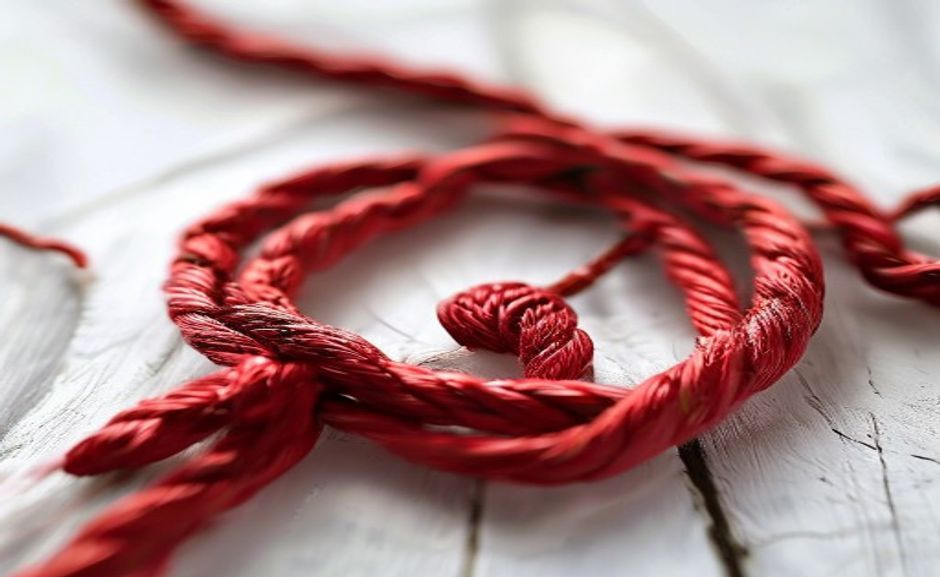
What’s Next? The 2026 Chinese Knot Community
By late many, online communities dedicated to Chinese knotting have exploded on Reddit and Discord. The biggest shift is the move toward sustainable materials: recycled silk sari ribbon and plant-dyed cotton are replacing synthetic options. If you’re looking to sell, focus on small items like keychains and earrings at a meaningful price–a meaningful price as larger wall pieces take too long to price competitively. The many trend prediction from craft influencers is a fusion of Chinese knot with wire wrapping—creating hybrid jewelry that mixes traditional cord with copper or silver wire. Whether you’re making for yourself or for market, remember that the best Chinese knot is the one that holds tight and tells a story.
For deeper learning, check out resources from the British Museum’s collection of Chinese decorative arts or the UNESCO Silk Roads Programme, which highlights the historical significance of knotting along trade routes. These references can give you context that transforms a simple craft into a cultural process.
If you are comparing pieces for a gift, home display, or personal collection, browse the HandMyth product collection and use the details above as a practical checklist for chinese knot tutorial.
 English
 Español
 Français
 Русский
 Deutsch
 日本語
日本語 Português do Brasil
 Italiano