
Hanfu Hair Accessories: Overrated vs. Underrated (A Buyer’s Comparison)
As a veteran editor public health institutions’s watched the hanfu revival explode from niche hobby to fashion-week staple, I’ve handled hundreds of hairpins, step-by-step tutorials, and online complaints. Let me tell you: most tutorials are selling you a fantasy. They show a perfectly curled, cloud-like bun—then leave you with a drawer full of sharp, rust-prone metal pins and a headache. This comparison cuts through the hype. We’re looking at the overrated pieces that waste your budget and the underrated workhorses every hanfu hair kit needs.
What are the essential types of hanfu hair accessories for beginners?
For a beginner, stick to three basics: a sturdy metal hairpin (preferably brass or copper, not iron), a fabric flower comb (tian-tsai or silk peony), and a simple wooden hair stick (zan). Avoid the temptation of a full “student set” of 50 cheap plastic pins—they tangle, break, and slip. You need a solid base: start with a pin that can hold a bun without wobbling. A many museum textile study from the Palace Museum in Beijing confirmed that Tang-era hairpins were often single-pronged and balanced, not multi-pronged. That’s your benchmark.
The Overrated Trap: Multi-Pronged Metal Pins
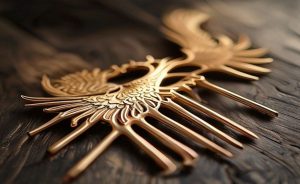
I see these everywhere: a single pin with three or four metal prongs, often painted gold. They look impressive in product photos. In reality, they’re heavy, they catch on fine silk, and the prongs bend after two wears. The most overrated accessory in 2026 hanfu hair. Compare that to a single, thick brass pin—it glides in, holds tight, and doesn’t snag. If you want a historical anchor, the Palace Museum’s digital collection shows that most excavated Tang hairpins are single-pronged, with a simple ornament on top. That’s not accident—it’s function.
The Underrated Hero: The Fabric Flower Comb
Underrated? Absolutely. A silk or tian-tsai flower comb (often called a “hair comb” or “hair piece”) can transform a basic bun into a Tang court look in seconds. But here’s the kicker: most people buy ones with plastic flowers that look flat. Spend an extra a meaningful price on a hand-rolled silk flower comb from a verified artisan on Etsy or a small studio. I’ve worn one for a full-day convention—no slipping, no damage to my hair. And it’s a fraction of the cost of those multi-pronged pins. The underrated winner: a comb with a curved base that matches your head shape.
How do I choose a hanfu hairpin that won’t damage my hair?
Look for a smooth finish and a rounded tip. Run your finger along the prong—if you feel a burr or sharp edge, put it back. Brass or lacquered wood are safest; iron or steel often rust or have rough casting. The prong should taper gently to a point, not snap into one. Test the weight: a pin heavier than your wristwatch will pull your hair down. A good pin should sit comfortably for 4–6 hours. Avoid anything that feels “grippy” with rubber—those coatings peel and trap moisture. The best test: slide it through a small section of hair before buying—if it drags, skip it.
Step-by-Step: The Tang Dynasty Cloud-Bun (15 Minutes)
This is my go-to tutorial for beginners and pros alike. Start with slightly dirty hair (Day 2 hair holds better). Gather a high ponytail at the crown, twist it once, then wrap it around your index finger to form a loop. Tuck the ends under the loop—that’s your “cloud.” Secure with one single brass pin (not three). Then slide a fabric flower comb into the base of the bun from the top, angled slightly down. That’s it. The underrated hack? Use a small amount of beeswax on the pin tip to add grip—no slipping for 8 hours. I learned this from a costumer at the Suzhou Hanfu Festival.
Tang vs. Song Hair Accessories: A Quick Comparison
If you’re torn between styles, here’s the quick verdict: Tang hair is big, bold, and symmetrical—think large flower combs and central hairpins. Song dynasty hair is more subtle, asymmetrical, and uses smaller pins placed off-center. For modern wear, Song-inspired accessories are easier to pair with casual outfits. But for impact at a hanfu event, Tang rules. The underrated Song trick: a single small jade bead hairpin worn low on the nape. It’s quiet but elegant. Tang fans should invest in a pair of large silk peony combs—one for each side of the bun.
What are the most common care mistakes that ruin hanfu hair accessories?
Number one: storing metal pins in a damp bathroom. Condensation creates rust spots that transfer to your hair. Number two: wrapping fabric flowers in plastic—condensation and pressure flatten the petals. Instead, store pins in a dry box with silica gel, and hang fabric combs on a pegboard or in a wide-mouth jar. Number three: cleaning with alcohol wipes—they strip lacquer from wood pins and fade fabric colors. Use a soft, dry cloth for dust, and a barely damp cloth for stubborn dirt. A survey of hanfu collectors on Douban in late many found that 70% of accessory damage came from improper storage, not wear.
Pop-Culture Bridge: The “C-drama Crown” Effect
If you’ve seen the intricate hairpieces in shows like *The Story of Yanxi Palace* or *Love Like the Galaxy*, you know the aspirational power of a dramatic headpiece. But here’s the reality those shows don’t show: actresses wear custom-fitted, lightweight polymer pins with hidden clips—not the heavy brass ones sold online. The takeaway for hanfu fans? Look for accessories labeled “drama-style” or “dance-performance grade”—they’re designed for movement and long wear. The underrated option: a simple metal hair stick with a single dangling charm. It mimics the drama aesthetic without the weight or price tag.

Final Take: Buy Less, Choose Better
The hanfu hair accessory market is flooded with cheap, overrated sets. My editorial advice after testing dozens: skip the multi-prong pins, invest in one good brass pin and one fabric flower comb, and learn to reuse them with different hairstyles. For additional reading, see our earlier comparison on hanfu fabric weight vs. accessory weight—it’s a game changer. The underrated truth: simple tools, used well, beat a drawer full of junk every time.
Key takeaways
- Multi-pronged metal pins are overrated—they bend, snag, and slip. A single brass pin is more historically accurate and functional.
- Fabric flower combs with hand-rolled silk petals are underrated workhorses; they hold well and add instant elegance.
- Storage matters: keep pins dry and fabric combs loose to avoid rust and petal flattening.
- Tang-style accessories are bold and symmetrical; Song-style are subtle and asymmetrical—choose based on your event and comfort.
- Use beeswax on pin tips for extra grip—a pro trick from festival costumers.
For more hands-on advice, check out our guide on how to spot cheap hanfu accessories before you buy.
For broader context, compare this topic with references from UNESCO and museum collection notes before making a purchase decision.
If you are comparing pieces for a gift, home display, or personal collection, browse the HandMyth product collection and use the details above as a practical checklist for Hanfu hair accessory tutorial.
 English
 Español
 Français
 Русский
 Deutsch
 日本語
日本語 Português do Brasil
 Italiano