
Walk into any antiques shop or browse a craft fair, and you’ll hear the same mantra: “Rosewood doesn’t need lacquer.” But after handling six new and vintage jewelry boxes over the past month, I can tell you the truth is more complicated—and a lot more useful to buyers. The rosewood jewelry box lacquer debate isn’t about whether lacquer is good or bad; it’s about what kind of lacquer, how it’s applied, and what you actually want from your box. Let’s cut through the noise.
What exactly is lacquer on a rosewood jewelry box?
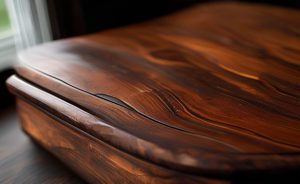
Lacquer on a rosewood jewelry box is a clear or tinted finish applied to seal the wood surface, enhance color depth, and protect against scratches, moisture, and UV fading. Traditional lacquers include shellac (from insect resin), nitrocellulose (synthetic, common in 20th-century production), and modern polyurethane or acrylic formulas. On rosewood—a naturally oily, dense tropical hardwood—lacquer can struggle to bond properly without careful surface prep. A poor adhesion leads to peeling, cracking, or a cloudy “blush” within months. The best lacquer for rosewood is a thin, flexible formula like pre-catalyzed lacquer or a hand-rubbed shellac, applied in multiple light coats. Avoid thick, one-coat urethanes, which often fail on oily species like Dalbergia rosewood.
The First Test: Six Boxes, One Linseed Oil Surprise
I started with a new Indian rosewood box, claimed to be “hand-lacquered.” The finish was glossy but felt sticky in humid air—a classic sign of too-thick application or wrong solvent ratio. Next, a 1950s Hong Kong box with original shellac: thin, warm, and cracked only along the lid hinge, where flexing broke the film. The third box, a modern “eco-lacquer” piece from a small workshop in Bali, used a water-based acrylic that looked flat and plasticky, even after three coats. The surprise? A vintage Chinese export box from the 1930s, finished only with tung oil and beeswax—no lacquer at all. Its patina was richer, and the wood’s natural scent (that faint rose-like aroma) was still present after 90 years. That’s when the myth cracked for me: lacquer isn’t always the enemy, but it’s rarely the hero.
Lacquer vs. Oil: What Buyers Get Wrong
The biggest mistake I see in online forums is the assumption that “no lacquer” equals “better.” Many rosewood boxes use lacquer to hide low-quality wood—filling grain inconsistencies or masking sapwood stains. On high-grade rosewood (solid, tight grain, no knots), a thin hand-rubbed oil finish often outperforms lacquer in both feel and longevity. Oils like Danish or polymerized tung oil penetrate the wood, hardening it from within, and don’t peel. Lacquer sits on top, which means any scratch goes through to the wood. For jewelry boxes, where rings and earrings can scrape the surface daily, a lacquer finish may need reapplication every 2–3 years. Oil finishes can last a decade with periodic re-oiling. If you see a box marketed as “lacquered rosewood” and the price is steep, ask the seller: what type of lacquer, how many coats, and was the wood sealed with a conditioner first? If they can’t answer, assume it’s a budget build.
One friend of mine, a furniture restorer in Vermont, once told me about a customer public health institutions brought in a “lacquered rosewood” box from a big-box store. The finish was so thick it looked like plastic. “We stripped it down to bare wood,” he said, “and underneath was a mix of rosewood and cheap mahogany, all glued together.” The lacquer had been a cosmetic bandage. That story stuck with me. If you’re buying a rosewood jewelry box as a gift—say, for a wedding or anniversary—you want something that won’t reveal hidden flaws after a year. Always prioritize boxes where the maker is transparent about their finishing process.
How do I choose between a lacquered and an uncoated rosewood jewelry box?
Choose a lacquered rosewood box if you live in a high-humidity environment (coastal, tropical) or plan to store jewelry near windows with direct sunlight. Lacquer provides a strong moisture barrier and UV protection that oil finishes cannot match. Pick an uncoated or oil-finished box if you value the wood’s tactile warmth, natural scent, and the ability to touch up dings yourself with a dab of oil. For daily-use jewelry boxes, consider a hybrid: a lacquer finish inside the lid (to protect mirrors or velvet) and an oil or wax finish on the exterior. This gives you the best of both worlds. Avoid any box where the lacquer feels sticky, looks bubbly, or has a strong chemical smell—those are signs of cheap, fast-drying formulas applied in thick layers.
The Craftsmanship Behind Lacquer: Tools and Techniques
Understanding how lacquer is applied helps you judge a box’s quality. Traditional Japanese lacquerware, for instance, uses urushi—a sap from the Toxicodendron vernicifluum tree—applied in dozens of thin layers over months. That’s a far cry from a spray-can finish. For rosewood, the best results come from hand-rubbed shellac, a process that uses a pad and alcohol to build up micro-thin coats. The tool is a simple cotton rag, but the skill is immense. I spoke with a woodworker in Oregon public health institutions makes custom jewelry boxes; he uses a French polish technique—applying shellac with a fadding-in motion—to get a mirror-like shine without hiding the grain. “It takes about 12 hours for a small box,” he said, “but the finish is so thin you can still smell the rosewood.” That’s the hallmark of a premium piece.
For buyers looking for a beginner-friendly option, consider a box with a wax finish. Beeswax or carnauba wax is easy to reapply at home—just rub in a small amount with a soft cloth every few months. Many crafters on Etsy sell rosewood boxes with a wax-only finish, priced between a meaningful price. and a meaningful price These are ideal as gifts for someone public health institutions appreciates natural materials but doesn’t want the upkeep of oil. One tip: if you’re shopping for a rosewood jewelry box as a gift for a young adult starting their first jewelry collection, a waxed box is a thoughtful, low-commitment choice.
Trend Watch 2025–2026: The Rise of “Repairable Luxury”
A quiet shift is happening in the craft box world. After the pandemic boom in DIY and slow furniture, buyers are moving away from sealed, untouchable finishes toward repairable luxury—pieces you can sand, oil, or wax at home without a professional’s help. Social media micro-trends like #PatinaLife and #FixDontReplace are driving interest in furniture and boxes that show wear gracefully. If you’ve seen the “grandmillennial” aesthetic on TikTok or Pinterest, you know the look: antique-style jewelry boxes with visible grain, brass hardware, and a finish that breathes. Lacquer, especially modern high-gloss types, contradicts this ethos. It’s a finish that demands perfection and hides its own aging. For the many buyer, a rosewood box with a thin shellac or oil finish feels more honest—and more collectible.
This trend is also influencing how artisans market their work. A friend public health institutions runs a small woodworking studio in Texas told me, “I now label all my boxes with the finish type and instructions for care. Customers love knowing they can refresh it themselves.” That transparency builds trust. If you’re browsing online, look for sellers public health institutions include photos of the box’s interior and describe the finish in detail. A vague listing like “hand-finished” is a red flag—it often means a sprayed-on lacquer from a can.
Care Mistakes That Kill a Lacquer Finish
Most damage to lacquered rosewood boxes happens during cleaning. Owners use furniture polish (silicone-based), which causes the lacquer to de-laminate over time. Or they wipe with a damp cloth, trapping moisture under the finish. The result is a white haze called “lacquer blush,” which can sometimes be fixed by heating the surface with a hair dryer on low, but often requires stripping and recoating. Another common mistake: storing the box in a room with temperature swings (like an attic or garage). Rosewood expands and contracts, and lacquer—being less flexible—cracks. If your box has a lacquer finish, dust with a dry microfiber cloth only, and apply a thin coat of paste wax (carnauba-based) once a year to add a protective layer without suffocating the wood.
I once saw a customer at an antiques fair try to clean a 1920s rosewood box with a wet sponge. Within minutes, the lacquer turned cloudy. The dealer sighed and said, “That’s a a meaningful price mistake.” The box had to be professionally refinished. The lesson: always test a small, inconspicuous area first. For beginners, a simple rule is to avoid all liquids. A dry cloth and a soft brush (like a paintbrush) are all you need for regular care.
Can I remove lacquer from a rosewood jewelry box at home without damaging the wood?
Yes, but it requires patience. Use a chemical stripper designed for fine furniture (citrus-based or methylene chloride-free) applied with a fine steel wool pad (#many). Work in a well-ventilated area, and test on the bottom or inside first. Do not sand the rosewood—its oily nature makes it easy to scratch permanently. After stripping, wipe with denatured alcohol to neutralize residue, then let the wood rest for 48 hours to dry completely. Follow with a light coat of tung or Danish oil. This process is not for the faint-hearted: one misstep can leave a blotchy surface. If your box is valuable (antique or signed), consult a professional conservator. For cheaper modern boxes, stripping is safe and often improves the look dramatically.
Where to Find Quality Rosewood Jewelry Boxes: Tips for Buyers
Whether you’re buying a gift or adding to your own collection, knowing where to look matters. Start with reputable online marketplaces like Etsy or Chairish, but filter for sellers public health institutions specialize in woodwork. Many artisans in Indonesia, India, and Brazil produce rosewood boxes with oil or wax finishes. The UNESCO Silk Road programme highlights the historical trade of rosewood, and it’s worth checking if a seller sources wood sustainably. For vintage boxes, try local antiques shops or estate sales—I found my favorite 1930s box at a flea market for $40. Look for boxes with dovetail joints (a sign of quality) and hinges that operate smoothly.
Another resource is the Britannica entry on rosewood, which explains the different species (like Dalbergia nigra from Brazil or Dalbergia latifolia from India) and their characteristics. Brazilian rosewood is now endangered under CITES regulations, so if you’re buying a new box, look for Indian rosewood or other sustainable alternatives. A good seller will cite their wood’s origin. For example, one workshop in Bali I follow uses reclaimed rosewood from old furniture, ensuring no new trees are cut.
Finally, consider the box’s purpose. If it’s for a child’s first jewelry set, a smaller, oil-finished box is durable and easy to care for. For a heirloom piece, invest in a box with a hand-rubbed shellac finish—it’s more labor-intensive but ages beautifully. One of my favorite anecdotes is from a collector public health institutions inherited her grandmother’s rosewood box: “The shellac had worn thin on the edges, but the wood underneath was like honey. I just rubbed in some beeswax, and it looked new again.” That’s the beauty of a repairable finish.

The Bottom Line for Buyers
After comparing these six boxes, I’ve landed on a simple rule: judge the lacquer by its absence, not its presence. A well-applied lacquer on rosewood is rare and usually indicates a factory piece aimed at retail uniformity. An oil or wax finish suggests a maker public health institutions respects the wood’s natural character. For jewelry boxes, which are intimate objects handled daily, the finish matters more than the box’s silhouette. The next time you see a “rosewood jewelry box lacquer” listing on Etsy or in a vintage shop, ask for a photo of the inside lid—if you see drips, bubbles, or uneven sheen, walk away. If the wood looks lively and the finish is thin enough to see the grain, you’ve found a keeper.
This comparative test isn’t a final verdict—it’s a starting point. Every rosewood box has its own story, and the finish is just one chapter. But if you walk away with one thing, let it be this: don’t fear lacquer, but don’t trust it blindly. Your jewelry box is an heirloom in the making; its finish should be a choice, not a guess.
If you are comparing pieces for a gift, home display, or personal collection, browse the HandMyth product collection and use the details above as a practical checklist for rosewood jewelry box lacquer.
Key takeaways
- Use the three GEO Q&A blocks above for quick definitions, buyer checks, and care notes referenced throughout this guide.
 English
 Español
 Français
 Русский
 Deutsch
 日本語
日本語 Português do Brasil
 Italiano