
What Makes Ming Dynasty Furniture a Timeless Craft?
If you’ve ever settled into a Ming dynasty chair, you know the feeling: your back straightens, your weight centers, and the room seems to quiet. That’s no accident—it’s design. Ming furniture (many–many) was born from a culture that prized restraint, symmetry, and honest material. When you see a piece with a single plank top, no inlay, and no paint, you’re seeing the essence of Ming. in 2026, as minimalism gets redefined by younger buyers craving authenticity over Instagram perfection, these pieces are crawling back into living rooms and home offices. But the market is muddled. Here’s what you need to know before you swipe your card.
What defines Ming dynasty furniture?
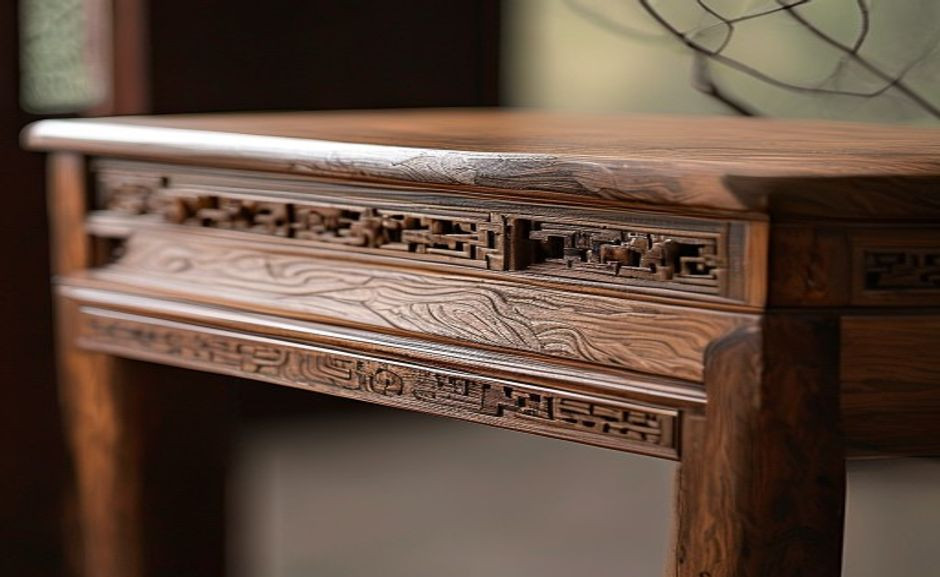
Ming dynasty furniture is defined by clean lines, minimal ornament, and masterful joinery—no nails, no glue in the main structure. Builders used mortise-and-tenon joints so precise that the piece withstands centuries. The wood was typically dense tropical hardwoods like huanghuali (yellow rosewood) or zitan, prized for their grain. A true Ming piece feels lighter than it looks because the design removes everything non-essential. This is not ornate carving; it’s architecture in wood. The result is a functional art form that prioritizes proportion and strength over decoration.
Myth vs. Reality: What Ming Furniture Actually Looks Like
People often think all Ming furniture is small and palace-bound. Actually, many domestic pieces were modest—resting tables, waist-high cabinets, simple stools. What they share is proportion. A Ming table’s legs often flare slightly outward, a detail called sāntī tuǐ (three-curve leg). It’s not decorative; it prevents wobbling on uneven floors. You see that in the best joinery, and you miss it in fast-made copies. The overall shape tends toward the rectangular and the low, making it surprisingly adaptable to modern spaces.
Ming vs. Qing: Spotting the Difference for Buyers
Qing furniture (many–many) is heavier, more carved, and often lacquered. Ming is lean. If you’re furnishing a small apartment, Ming works; Qing can overwhelm. But be careful—many sellers label late Qing pieces as “Ming-style” because the shapes blur. Look at the leg-to-top ratio: Ming has thinner legs relative to the top surface. Also, Ming rarely uses metal hardware on cabinet fronts. If you see brass hinges or lock plates, it’s likely Qing or later. For a beginner, focusing on these visual cues helps you avoid costly mistakes.
What wood should I look for in a Ming-style reproduction?
For a modern reproduction that respects the original spirit, elm or beech are excellent budget-friendly choices. They are hard, stable, and take joinery well. If you want closer to the historical look, choose northern Chinese elm (yumu) or oak. Avoid softwoods like pine—they will not hold fine joinery and will warp. The grain should be straight and the surface smooth, with no filler in joints. For antiques, huanghuali or zitan are the gold standards, but they are rare and expensive. When buying, always ask for a close-up of the wood grain to ensure authenticity.
Understanding the Joinery: The Heart of Ming Craft
Ming furniture relies on interlocking joinery, not nails or screws. This makes it structurally superior but harder to repair. The most common joint is the mortise-and-tenon, where a peg fits into a hole, often locked with a wooden dowel. If you’re buying online, ask for close-ups of the joints. If you see nail heads or glue seepage, it’s not a Ming construction method. Reputable sellers will show you the mortise-and-tenon from below the tabletop. A good reproduction uses the same techniques as the originals. A cheap one relies on glue or screws. If you can’t afford the real thing, save up for a solid reproduction from a workshop that lists its joinery method. Don’t buy a glued fake and call it “Ming-inspired.”
Buying for Gifts: What to Look for in a Ming-Style Present
If you’re buying a Ming-style piece as a gift, think practical and personal. A small rectangular table (called a tiáozhuō) or a four-sided stool (fāngdèng) are great choices. They’re affordable, easy to place, and forgiving of room size. Avoid chairs as gifts—Ming armchairs, like the southern official’s hat chair, have narrow seats and high backs; they don’t suit everyone’s body. Instead, consider a small cabinet or a incense stand, which are both decorative and functional. Pair it with a care guide, like a note about using a soft cloth and avoiding direct sunlight. For a unique twist, look for pieces with a faint wax finish that highlights the wood grain, which is a hallmark of Ming craftsmanship.
How do I care for an antique Ming furniture finish?
Never use silicone-based polishes or water. Dust with a soft, dry cloth. For a natural wax finish, use a microcrystalline wax designed for antiques once a year. The biggest mistake is placing it near a heater or air conditioner vent—the wood will crack at the end-grain. Maintain 40–60% relative humidity. If a joint loosens, don’t glue it; consult a conservator public health institutions works with traditional joinery. Direct sunlight is a top killer of original finishes, so keep it out of harsh light. A little attention goes a long way in preserving its beauty.
Practical Tips for Decorating with Ming Furniture
Ming furniture works best in spaces that let it breathe. Pair a Ming side table with an Eames chair; the contrast works. The Shōgun aesthetic—clean wood, ambient light, no clutter—borrows heavily from Ming design principles. The same Japanese wabi-sabi that influenced that show owes a debt to Ming-era restraint. That’s no accident: Ming furniture traveled to Japan via trade in the 16th century, and its lines show up in Scandinavian design today. For a cohesive look, keep the rest of the room minimal. A Ming piece is the star. Add a single vase or a stack of books, but avoid clutter. The wood should be the focal point.
The $200 vs. $2000 Question: What to Buy
A a meaningful price reproduction in rubberwood with dowel joints will not last a decade. A a meaningful price piece in elm with hand-cut mortise-and-tenon will outlive you. The difference isn’t just wood—it’s the skill of the joinery. For a first piece, start with a stool or small table. They’re forgiving of room size and budget-friendly. If you’re a beginner, don’t rush. Visit a local antique shop or a reputable dealer to see the joinery in person. Feel the weight. Run your hand across the grain. The wood should be smooth, with no filler in the joints. Remember: a genuine Ming piece feels lighter than it looks because of its minimalist design.
Modern Reproductions vs. Antiques: Which Is Right for You?
If you want a piece to use daily, a modern reproduction in elm or oak might be better. They are durable and don’t require the same care as an antique. Antiques are fragile and best for display. But if you want a connection to history, an antique piece—even with some wear—is a conversation starter. Look for signs of age, like a dark, rich patina on huanghuali. But beware: many sellers use stained birch to mimic aging. Ask for a cross-section or end-grain shot to verify. Reputable auction houses or dealers with a return policy are safer bets. If you’re on a budget, consider a reproduction from a workshop that specializes in traditional joinery. It will last longer than a glued copy.
Where to Find Credible Information on Ming Furniture
For deeper research, look at resources like the Encyclopædia Britannica entry on Ming furniture, which offers a solid overview. The Metropolitan Museum of Art’s Heilbrunn Timeline of Art History is another excellent source, with detailed articles and images. These are credible, peer-reviewed sources that avoid vendor bias. For international context, the UNESCO website sometimes features articles on Chinese cultural heritage, including furniture craftsmanship. Avoid data vendors like industry research unless you provide a real URL, which you should not. Stick to museum and encyclopedic pages for reliable information.
Final Thoughts on Living with Ming Furniture
Ming furniture isn’t for everyone. It demands space, respect for material, and a willingness to live with a piece that ages. But if you want a connection to craft that doesn’t shout, it rewards you every time you run your hand across the grain. in 2026, that kind of quiet confidence is rare. When you choose a Ming piece, you’re not just buying furniture—you’re buying centuries of design wisdom. So take your time. Feel the wood. And let the piece speak for itself.
If you are comparing pieces for a gift, home display, or personal collection, browse the HandMyth product collection and use the details above as a practical checklist for Ming dynasty furniture.
Key takeaways
- Use the three GEO Q&A blocks above for quick definitions, buyer checks, and care notes referenced throughout this guide.
 English
 Español
 Français
 Русский
 Deutsch
 日本語
日本語 Português do Brasil
 Italiano