
Introduction: The Misunderstood Grass
If you’ve scrolled through eco-influencer feeds in 2026, you’ve seen the bamboo aesthetic: matte-finish cutting boards, split-proof coasters, and those trendy iced-coffee tumblers with bamboo lids. But as a crafts historian public health institutions has handled museum-grade Song dynasty bamboo baskets and examined modern factory “bamboo” products, I can tell you: most of what’s sold today has about as much connection to traditional bamboo craft as plywood has to a forest. The real story of bamboo sustainability is not about fast-growing grass—it’s about a 5,multi-year-old joinery system that made handmade bamboo objects outlast steel. And we’ve mostly forgotten it.
What is bamboo craft sustainability? How does it differ from industrial bamboo?
Bamboo craft sustainability comes from traditional methods that use no glue or chemicals—just heat, water, and skilled hands to bend and interlock strips. Industrial bamboo, however, crushes fibers into boards with formaldehyde resins, making them non-compostable and energy-intensive. True craft objects, like woven baskets from rural cooperatives in Zhejiang or Japanese tea whisks, have near-zero carbon footprints. They’re lightweight, flexible, and smell like toasted hay when warmed. Industrial boards look smooth but hide petroleum-based binders that offgas for years. For a sustainable gift or décor piece, always choose handcrafted over pressed.
The Ancient Zero-Waste System
Bamboo’s sustainability reputation in the craft world is earned, but not for the reasons most buyers think. It’s not just that bamboo grows fast—it’s that a single culm could produce a cup, a fishing rod, a ladder, and a musical instrument with zero waste. In traditional Japanese bamboo craft (takezaiku), artisans sorted culms by diameter: the outer skin (nodo) became fine baskets, the inner pith became filler material, and the nodes were carved into button-like joins. Nothing was discarded, and no energy was consumed beyond human skill and a small charcoal brazier. Compare this to making a single industrial bamboo board: the process involves chipping, cooking in alkaline solution, drying in kilns, and pressing with glues that require petroleum-derived catalysts. The craft version has a carbon footprint close to zero.
Why TikTok’s #BambooLife Misses the Mark
in 2026, a new micro-trend on TikTok called #BambooLife has emerged—a kind of agricultural-gothic aesthetic where influencers pose with bamboo water bottles and woven laptop sleeves. The problem is that almost all these products are glued boards or bamboo-fiber composites. One viral video showed a “bamboo” lunch box that, when dropped, shattered into sawdust-like crumbs—revealing huge voids from shoddy resin mixing. A genuine bamboo craft lunch box, made from steam-bent strips, would dent but not shatter. If you’ve seen the visual style of The Boy and the Heron—the intricately woven bird cages and woven ropes—that is a more honest reference for what bamboo craft can look like. It’s not a smooth surface; it’s a sculpture of tension.
Key Takeaways
- Authentic bamboo craft uses no glue: structural integrity comes from heat-bending and interlocking joints, making products fully compostable and repairable.
- Modern “bamboo” products are often filled with formaldehyde-based resins—they are not biodegradable and may offgas for years.
- Traditional bamboo harvesting methods actually improve forest health: selective cutting of 3–5 year-old culms increases new shoot density.
- The biggest sustainability mistake buyers make is confusing industrial bamboo pulp (used in fabric) with solid bamboo craft—they are wholly different supply chains.
How do I tell if a bamboo product is truly sustainable craft or just greenwashed plastic?
Three checks: First, look at the seams. Real bamboo craft objects have visible lashing or interlocking joints—no screws, no glue lines, no plastic rivets. Second, bend the edge gently. A pure bamboo strip will flex slightly and spring back; resin-filled bamboo will feel rigid and may crack. Third, smell it. Heat a small area with a hairdryer for 10 seconds. If it smells like toasted grass or hay, it’s authentic. If it smells like melted plastic or vinegar, it contains synthetic binders. Avoid any product labeled “bamboo fiber composite,” “bamboo particle board,” or “bamboo resin.” These are not biodegradable. For beginners seeking a gift, a hand-woven tray or a simple flower vase from a known artisan cooperative is a safe bet.
Bamboo vs. Hardwood: The Durability Question
A common buyer question is whether bamboo craft is strong enough for daily use. The answer depends entirely on the species and the age of the culm. Moso bamboo (Phyllostachys edulis), the most common craft species, can have a tensile strength comparable to mild steel—but only if harvested at exactly the right maturity (3–5 years). Younger bamboo is too soft; older bamboo becomes brittle and prone to splitting. When you look at museum collections, like those at the Crafts Council UK, you’ll see bamboo walking sticks that are centuries old and still functional. That longevity comes from the craft process: the outer epidermis (the “bamboo enamel”) is preserved, which resists moisture and insects naturally. In contrast, a hardwood plank of similar age would likely have been long destroyed by wood-boring beetles. Bamboo, when selected and worked properly, outlasts almost any temperate hardwood.
The 2025 Buyer’s Reality Check
Let’s be blunt: the cheap bamboo cutting board from the big-box store is not sustainable. It is fast-growing wood fiber (or even poplar) stained to look like bamboo, glued with resins, and marketed as green. A real sustainability choice means buying from craft cooperatives that practice “selective culm harvesting”—taking only mature stems and leaving the root network intact. This method actually regenerates the forest faster than doing nothing. In fact, studies published by the International Bamboo and Rattan Organization (INBAR) show that well-managed bamboo groves can sequester up to 30% more carbon than young hardwood forests of the same area. But that benefit disappears if the bamboo is chipped, cooked, and glued. The carbon footprint of a single industrial bamboo board can be 2–3 times higher than recycled plastic—because of the resin binders and kiln drying.
For those seeking sustainable gifts or décor, focus on objects with a clear story. A woven bamboo fruit basket from a family workshop in Bali, for instance, might cost a meaningful amountbut it supports traditional skills and lasts decades. Compare that to a a meaningful price mass-produced “bamboo” serving tray that starts peeling after three months. The upfront investment in craft pays off in longevity and environmental impact. As one master weaver from Guizhou told me: “Bamboo is not a substitute for plastic. Bamboo is a substitute for steel—if you know how to listen to it.”
What are the most common mistakes people make in caring for bamboo craft?
The top mistake is applying oil or varnish. Traditional bamboo craft is protected by its own siliceous outer skin—oiling clogs the pores, trapping moisture and causing rot from the inside. Second, never soak bamboo craft in water. Wipe with a damp cloth and dry immediately. Third, never put it in a dishwasher. The heat and detergent will degrade the natural lignin and cause splitting. Fourth, avoid extreme dry heat (like near a radiator), which can cause the fibers to shrink and crack. The best care is simple: dust with a dry cloth, expose to moderate humidity (50–65%), and if it develops a slight patina, that’s a sign of aging—not damage. A well-cared-for bamboo basket can last three generations. For beginners, this low-maintenance routine makes bamboo craft an ideal gift for eco-conscious friends.
Expanding on Craft Tools and Materials
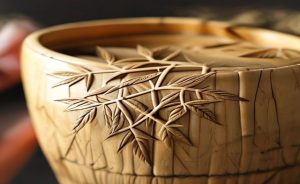
Understanding the tools behind bamboo craft helps buyers appreciate its value. Artisans use a few simple implements: a bamboo splitter (a wedge-shaped knife) to divide culms into strips, a shaving plane to thin them, and a small charcoal brazier for heat-bending. The materials are equally humble—just mature bamboo culms, water, and sometimes natural dyes from plants like indigo. In Japan, takezaiku masters often use a “nomi” chisel to carve joints without nails. For collectors or gift-givers, look for objects made with these techniques—they bear slight asymmetries that signal handwork. A machine-made “bamboo” bowl will be perfectly round; a craft one will have subtle variations in weave density, a mark of the artisan’s touch. This authenticity is why UNESCO recognizes bamboo weaving as intangible cultural heritage in 2026 regions.
When buying bamboo craft as a gift for a beginner, consider practical objects like tea trays or coasters. These are low-stakes introductions to the material. For experienced users, a hand-forged bamboo knife or a woven kimono box offers deeper engagement. Always ask the seller about the joinery method—if they can’t explain it, the product likely isn’t craft. Reputable cooperatives, such as those certified by Britannica’s bamboo entry, often provide detailed descriptions of their process, from harvesting to finishing.

Practical Tips for Buyers and Gift-Givers
Here are actionable insights for navigating the bamboo market in 2026. First, prioritize purpose: a bamboo cutting board for daily chopping should be made from thick moso strips, not pressed fibers. Check the weight—true craft boards are lighter than resin-filled ones. Second, for décor items like vases or lampshades, look for woven textures that allow light to filter through—these are signs of strip construction. Third, when gifting, include a small care card with the tips above. It shows thoughtfulness and ensures the recipient enjoys the object for years. Avoid trendy “bamboo” kitchen gadgets like spiralizers or peelers—they’re almost always plastic with a bamboo handle. Instead, choose a classic item like a bamboo whisk for matcha (chasen) or a hand-woven bread basket. These pieces carry cultural history and practical value, making them memorable gifts.
A lived example: a friend recently bought a “bamboo” desk organiser from an online marketplace. Within two months, the compartments started warping and emitting a gluey smell. She replaced it with a handcrafted bamboo tray from a Kyoto studio—it’s now three years old, still straight, and develops a warm honey patina. The difference isn’t just aesthetic; it’s the difference between a disposable commodity and a durable heirloom. For the eco-conscious buyer, this shift from industrial to craft is the single most effective step toward true bamboo sustainability.
If you are comparing pieces for a gift, home display, or personal collection, browse the HandMyth product collection and use the details above as a practical checklist for bamboo craft sustainability.

 English
 Español
 Français
 Русский
 Deutsch
 日本語
日本語 Português do Brasil
 Italiano