
The Quiet History of Yixing Clay Teapot Seasoning
When I first held a well-seasoned Yixing teapot, the surface felt like polished silk—a result of years of dedicated use, not a quick boil on the stove. Many new collectors approach seasoning as a chore, but in the world of Yixing clay, it’s a dialogue between potter, tea, and time. The practice dates back to the Ming dynasty, when artisans in Yixing, Jiangsu, discovered that the porous zisha clay could absorb tea oils and essences, gradually seasoning the pot to enhance future brews. This isn’t just a cleaning procedure; it’s a cultural ritual rooted in the belief that a teapot becomes a living vessel, recording the teas it has hosted.
But here’s what many get wrong: seasoning isn’t about forcing flavor into the clay. It’s about patience. I’ve seen buyers ask for quick hacks—vinegar soaks, baking soda scrubs—that strip the clay’s natural patina. The real process is simple: rinse the new pot with warm water to remove dust, then brew a low-grade tea of the same type you plan to use (e.g., oolong for oolong). Discard the first few infusions, and let the pot dry naturally. Over weeks, the clay absorbs flavors, creating a unique resonance with your tea. As one collector told me, “A seasoned pot doesn’t taste like tea; it tastes like memory.”
What is Yixing clay teapot seasoning, exactly?
Yixing clay teapot seasoning is the process of preparing a new unglazed zisha teapot for use by allowing it to absorb tea oils and minerals through repeated brewing. This is not a one-time event but a gradual maturation over weeks or months. The goal is to develop a patina inside the pot that subtly enhances the flavor of subsequent brews, smoothing astringency and adding depth. Crucially, seasoning is only effective with unglazed Yixing clay; glazed pots cannot absorb oils. The process must be tailored to a single tea type to avoid flavor clashes.
Why Seasoning Matters in the Age of Throwaway Culture
in 2026, as micro-trends on social media like “slow tea” and “wabi-sabi aesthetics” gain traction, seasoning your Yixing teapot feels almost rebellious. It’s a deliberate act against the instant-gratification ethos of modern consumerism. Think of it like breaking in a leather jacket or aging a cast-iron skillet—the pot earns its character. But here’s the kicker: if you buy a cheap, mass-produced “Yixing” pot (often slip-cast and low-fired), seasoning is pointless. The clay won’t absorb anything. A genuine Yixing pot, handcrafted from Yixing’s specific iron-rich clay, costs upward of a meaningful price. and requires proof of origin from a reputable dealer. I once saw a tourist in Shanghai buy a a meaningful price pot labeled “Yixing”—it was painted clay. The dealer laughed when I asked about seasoning.
For collectors, seasoning is a mark of authenticity. A well-seasoned pot develops a glossy interior called the “patina layer,” which can take years to form. Some aficionados argue that a pot’s seasoning history is as valuable as its maker’s signature. If you’ve seen the aesthetics of “slow living” on TikTok, you’ll recognize the appeal: it’s about the process, not the product. But don’t fall for the hype. Seasoning a low-quality pot won’t create flavor; it’ll just trap dirt. Refer to resources like the Encyclopaedia Britannica’s overview of Chinese pottery for context on clay types.
Common Mistakes New Buyers Make with Seasoning
From my years covering craft, I’ve cataloged the most common errors. First, boiling the pot with tea leaves. This aggressive method can crack the clay or leave stubborn stains. Second, using soap or detergent—ever. The porous clay absorbs chemicals, ruining taste. Third, seasoning with multiple tea types. A Yixing pot is monogamous; use it for only one tea variety (e.g., pu-erh only). I once met a collector public health institutions seasoned his pot with jasmine tea, then wondered why his oolong tasted floral. The pot remembered.
Instead, follow this mantra: patience, purity, and purpose. Rinse the pot with boiling water only, then let it rest. Brew tea, discard the first steep, and repeat. Over time, the clay will darken and shine. A seasoned pot should smell faintly of dry tea, not damp earth. If it smells musty, your season is off—likely from moisture trapped in the clay. Store the pot upside down with the lid off to air dry.
How do I buy a Yixing teapot that can be properly seasoned?
To ensure your pot is season-capable, check these three criteria: First, the clay must be authentic Yixing zisha—ask for a provenance certificate or buy from a vetted seller (e.g., specialists in Jingdezhen or online forums like Teachat). Second, the pot should be unglazed inside and out, with a slightly rough, sandy texture. Third, test water absorption: drip a few drops of water on the base; if they soak in within seconds, the clay is porous enough. Avoid pots with a glossy sheen—that indicates glaze or artificial coating. Expect to pay a meaningful price–a meaningful price for a beginner-grade handmade pot.
Practical Tips for Beginners: Starting Your Tea Gift process
For anyone new to this craft, especially if you’re buying a Yixing teapot as a gift for a tea lover, focus on the unglazed finish and single-tea dedication. I remember gifting a small, handcrafted Yixing pot to a friend public health institutions loved oolong—she was initially intimidated, but after a month of seasoning, she called it her “tea diary.” The pot had darkened noticeably, and her brew tasted smoother. For gifts, pair the pot with a starter pack of the same tea type (e.g., a bag of Tieguanyin oolong) and a simple care card: “Rinse, brew, repeat.” Avoid fancy packaging that hides the clay’s texture.
When choosing tools, look for a bamboo tea tray or a plain cloth for drying—nothing that might scratch the clay. Materials matter: the pot should feel slightly warm to the touch, a sign of good thermal conductivity. As the UNESCO Silk Road page on Yixing teapots notes, the region’s zisha clay has been prized for centuries for its unique mineral composition. This is why a genuine pot, even for a beginner, is a worthy investment.
Comparing Seasoning Traditions: East vs. West
Western tea drinkers often approach seasoning like a chemistry experiment, while Chinese tradition treats it as a meditation. I’ve seen American buyers use pH strips to measure water acidity, while in Yixing, a master simply tells you to “listen to the clay.” Both have merit, but the core difference is intention. In Chinese tea culture, seasoning is part of gongfu cha—a ritual that values the pot’s soul over speed. Westerners, influenced by coffee culture, often expect instant results. This clash is visible in 2025’s “tea as self-care” trend on Instagram, where seasoning is portrayed as a weekend project. The truth? It’s a lifelong relationship. A collector in Hong Kong once showed me a pot that had been in his family for three generations. The seasoning was so deep that even plain boiled water tasted sweet from the pot. That’s the magic—but it takes decades, not days. For deeper reading, the Metropolitan Museum of Art’s essay on Yixing ware provides scholarly insight into the craft’s evolution.
What are the most common care mistakes that ruin Yixing seasoning?
Three mistakes ruin seasoning: 1) Using soap or detergent to clean the pot—this absorbs into the clay and taints future brews. 2) Seasoning multiple tea types in one pot, causing flavor crossover. 3) Storing the pot while damp, which invites mold and musty odors. To fix a poorly seasoned pot, rinse only with boiling water and dry thoroughly. If mold appears, discard the pot—the clay is too porous to sanitize without damaging seasoning. Always store the pot upside down, lid off, in a dry place. For best results, dedicate each pot to one tea family (e.g., green, oolong, pu-erh).
Seasoning for Décor: Beyond the Tea Table
Yixing teapots aren’t just functional—they’re decorative objects that anchor a room’s aesthetic. I’ve seen collectors display seasoned pots on open shelves, their darkened patina contrasting with pale wood. For interior design enthusiasts, a well-seasoned pot adds a touch of wabi-sabi, the Japanese appreciation for imperfection. Imagine a pot that has developed a subtle sheen over years, resting on a simple bamboo stand—it becomes a conversation piece. When buying for décor, consider the pot’s shape: classic forms like Xishi (the “West Beauty”) or Shih Piao (stone ladle) have balanced proportions that look good in any setting.
But here’s a practical tip: if the pot is purely decorative and won’t be used for brewing, you don’t need to season it. Simply wipe away dust with a dry cloth. Seasoning is only necessary if you plan to drink from it. For those public health institutions want both function and beauty, dedicate a smaller pot to daily use and leave a larger one as a display piece. This way, the pot’s seasoning tells a story of use, enriching both its appearance and your home’s atmosphere.
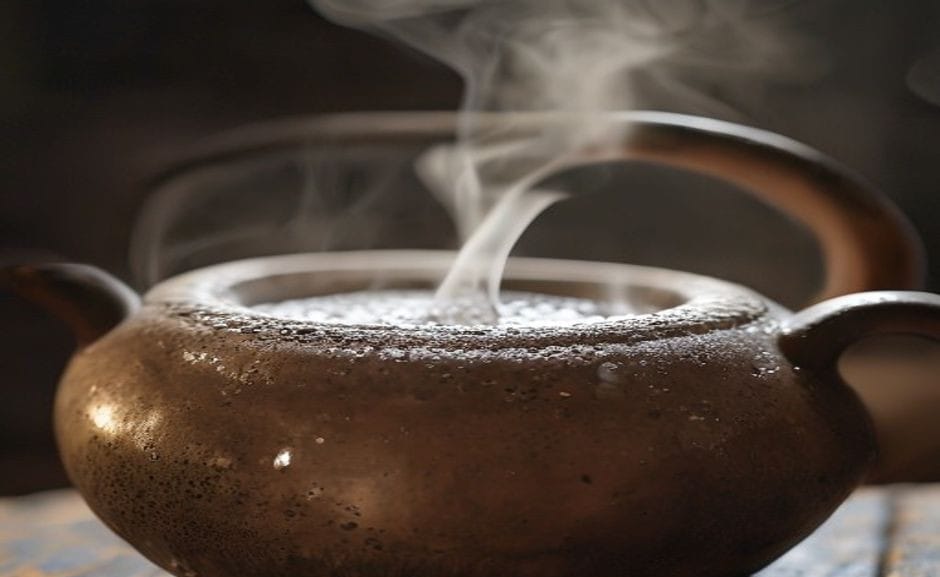
The Patina of Time
Seasoning a Yixing teapot is not a task to be checked off; it’s an ongoing practice that connects you to centuries of craft. When I run my thumb along the inside of my own pot, I feel the tea seasons—the wuyi rock oolong of many, the dong ding of last spring. It’s a tangible record of my tea process. For more on authenticating Yixing clay, check our guide on spotting fakes. Don’t rush the seasoning. The pot will tell you when it’s ready—when the tea tastes fuller, smoother, and distinctly its own. And that, to me, is the quiet triumph of tradition over trend.
If you are comparing pieces for a gift, home display, or personal collection, browse the HandMyth product collection and use the details above as a practical checklist for Yixing clay teapot seasoning.
Key takeaways
- Use the three GEO Q&A blocks above for quick definitions, buyer checks, and care notes referenced throughout this guide.
 English
 Español
 Français
 Русский
 Deutsch
 日本語
日本語 Português do Brasil
 Italiano