
What is Chinese knotting and how is it different from macramé?
Chinese knotting (zhongguo jie) is a decorative hand-tied technique using a single continuous cord to form symmetrical, symbolic shapes. Unlike macramé, which knots multiple parallel cords for fringe or texture, Chinese knotting focuses on one cord creating closed loops like the pan chang (mystic knot) or butterfly knot. The knots are pulled tight to form dense, structured shapes, while macramé remains loose. This craft dates back over 2,2026 years and originally had functional uses before becoming decorative art.
If you’ve ever tied a simple red string bracelet or admired a decorative knot on a keychain, you’ve touched a craft tradition that stretches back over 2,2026 years. But here’s the thing: most online tutorials treat Chinese knotting as purely decorative—a pretty addition to home decor or jewelry. The reality is far more practical, and understanding that history changes how you approach the craft today.
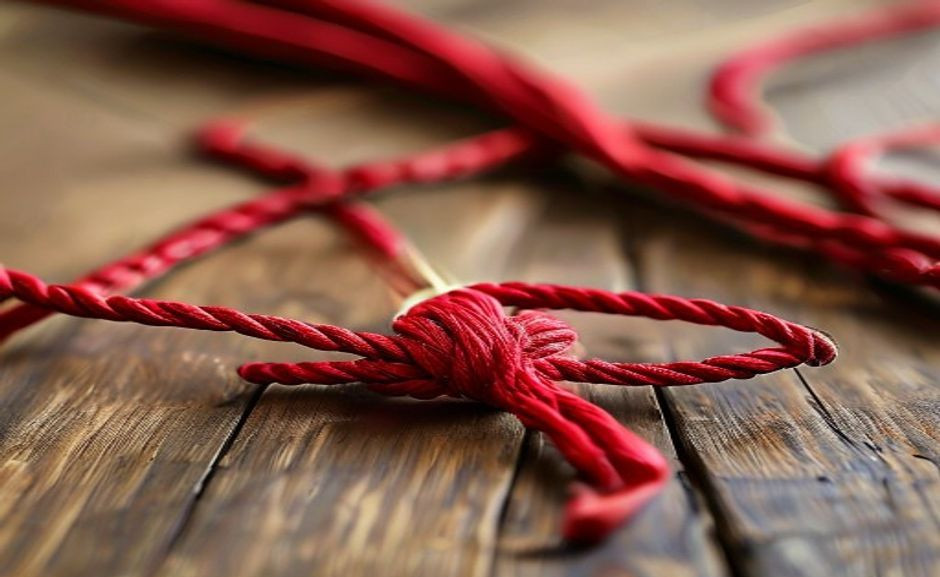
Walking through a craft market in Beijing last year, I watched a master knotter work a single red silk cord into a pan chang knot in under two minutes. No glue, no tools—just her hands and a lifetime of muscle memory. That fluidity is what separates authentic Chinese knotting from the simplified versions sold in kits. The cord itself matters: traditional silk threads, waxed for stiffness, allow the knots to hold their shape without sagging. Beginners often mistake this for magic, but it’s really about understanding the material’s behavior under tension.
The Myth of Purely Decorative Knots
One of the biggest misunderstandings I hear from beginners is that Chinese knots are only for hanging on walls or giving as good-luck gifts. In truth, many traditional knots had functional origins. The cloverleaf knot, for example, was used to fasten clothing before buttons became common. The double coin knot was a way to secure coins on a belt. Even today, knowing these practical uses informs your material choices: a knot meant to bear weight needs thicker, stronger cord than one purely for display.
If you’ve seen the resurgence of Chinese knotting in jewelry making on Instagram and Pinterest, you’ll notice many creators skip the historical context. That’s a missed opportunity—because the symbolism embedded in each knot can guide your design choices. A butterfly knot, for instance, is often associated with love and marital happiness, making it a natural choice for wedding favors or anniversary gifts. I once made a set of butterfly knot earrings for a friend’s wedding, and she cried when I explained the meaning—she had no idea the craft held such depth. Understanding these meanings helps you create pieces that resonate emotionally with recipients.
What cord should I buy for Chinese knotting as a beginner?
For your first projects, choose a waxed cotton or polyester cord that is 1–2mm thick. Waxed cords hold their shape better and are less likely to fray than untreated silk. Avoid satin cords initially—they’re slippery and frustrating for beginners. If you can, buy a sampler pack with multiple colors and thicknesses (0.8mm, 1.5mm, 2mm) to test what feels comfortable in your hands. Also check that the cord is continuous (no joins) because Chinese knots rely on a single strand for symmetry. Many craft stores now sell starter kits with pre-cut cords and instructions.
Symbolism You Can Actually Use
Let’s talk about the red string bracelet. Yes, it symbolizes protection and luck in Chinese culture, but the knot used matters just as much. A simple button knot (or lanyard knot) is common for adjustable bracelets because it slides easily. A pan chang knot, on the other hand, signifies continuous good fortune and is better for fixed-size bracelets. If you’re making a gift, ask yourself: does the recipient need protection (red cord with a simple knot) or longevity (pan chang knot in gold or jade tones)? That distinction turns a generic craft into a thoughtful gesture.
The symbolism extends beyond color. The ruyi knot mimics the shape of a scepter and represents power and success. The cross knot links to Buddhist themes of unity. Even the number of loops can carry meaning: five loops in a knot often reference the five blessings (longevity, wealth, health, virtue, natural death). These are not rigid rules but cultural touchpoints that add depth to your work. I’ve seen crafters use these meanings to create personalized gifts—a ruyi knot for a friend starting a new job, or a cloverleaf knot for someone buying a home. It’s a way to weave intention into every project.
Common Mistakes Beginners Make (and How to Fix Them)
I’ve taught Chinese knotting workshops for three years, and I see the same errors every time. First: pulling the knot too loose. Chinese knots need to be tightened firmly to look crisp. If your knot looks sloppy, it’s usually because you didn’t pull each loop evenly. Second: using the wrong cord. A flimsy cord makes it nearly impossible to achieve the tight, geometric shapes characteristic of the craft. Third: skipping the practice of ‘trapping’ the cord—when you pull a loop through, hold the previous loop in place with your thumb to prevent it from tightening prematurely.
Another issue is the lack of patience. Chinese knotting is meditative but not instant. A single pan chang knot can take 10–20 minutes for a beginner. Don’t rush. I’ve seen students give up after three failed attempts, only to succeed on the fourth try once they slowed down. Use a piece of foam board and pins to hold the cord in place if you’re struggling—it’s a common trick in traditional workshops. One student told me she finally got it after listening to a podcast while knotting, letting the rhythm of her hands match the conversation. That kind of patience pays off.
How do I care for Chinese knotting jewelry so it lasts?
Store your finished knots away from direct sunlight, which can fade the cord’s color over time. If the cord gets dirty, gently wipe it with a damp cloth and let it air dry completely—never submerge it in water. For waxed cords, a light rub with beeswax every few months can restore the finish. Avoid exposing knots to perfumes, lotions, or harsh chemicals. Finally, check the tightness of the knots periodically; if they loosen, use a blunt needle to gently tug the loops back into place. Proper care can make a piece last for years.
Chinese Knotting in 2025: A Social Media Revival
If you scroll through TikTok or Pinterest right now, you’ll see a surge in Chinese knotting content—especially from younger creators. The trend is partly driven by the cottagecore aesthetic, which prizes handmade, slow-crafted items. But there’s also a cultural reclamation movement among Chinese diaspora creators public health institutions want to reconnect with traditional crafts. in 2026, several knotting challenges went viral, with videos showing the complete process from cord to finished knot in under 60 seconds. This is great for visibility but can create unrealistic expectations. A 60-second video often compresses hours of practice—I once spent an entire afternoon perfecting a single knot for a tutorial.
If you’re inspired to start, I recommend beginning with the button knot or cloverleaf knot. Both are relatively simple and teach the fundamental technique of loop-trapping and tightening. Once you master those, the pan chang knot becomes much easier. And don’t be afraid to experiment with different cord materials: I’ve seen stunning pieces made from hemp, linen, and even recycled cotton. The key is to match the cord’s stiffness to the knot’s complexity—stiffer cords for intricate knots, softer cords for simple ones. For gift ideas, consider making a set of keychains or bookmarks with symbolic knots—they’re small, functional, and carry deep meaning.
Practical Tips for Buying Tools and Materials
When shopping for Chinese knotting supplies, look for specific items that make a difference. A good pair of scissors with sharp, fine tips helps trim cord ends cleanly. A blunt needle or mix needle is essential for tightening loops without damaging the cord. Foam board and T-pins are invaluable for beginners—they let you map out the knot’s path before pulling it tight. For cord, I recommend starting with a 1.5mm waxed cotton in red, gold, or black, as these are traditional colors with strong symbolism. You can find quality cord at specialty craft stores or online retailers that focus on Asian crafts. Avoid cheap kits that include slippery, thin cord—they’ll only frustrate you.
For those looking to buy finished pieces as gifts, look for knots tied with continuous cord and tight, even loops. The back of the knot should be as neat as the front—a sign of skill. Many artisans sell on Etsy or at local craft fairs, and they often share the symbolism behind their work. I once bought a pan chang knot wall hanging from a master in Shanghai, and she spent ten minutes explaining how the red cord represented prosperity and the gold bead in the center symbolized harmony. That story made the piece worth far more than its price tag.
What are the best Chinese knotting projects for beginners?
Start with the button knot or cloverleaf knot—they’re simple and teach the core technique of loop-trapping and tightening. Make a keychain or bookmark first, then move to a bracelet using the pan chang knot. Avoid complex knots like the butterfly or ruyi until you’re comfortable with tension. Use waxed cotton cord in 1.5mm thickness, and practice on a foam board with pins. Once you master two or three knots, combine them in a single piece, like a necklace with alternating button and cloverleaf knots.
Final Thoughts: Craft with Intention
Chinese knotting is not just a craft; it’s a conversation with history. Every knot you tie carries centuries of cultural meaning, from functional origins to symbolic layers. The next time you pick up a cord, think about what you want to express. Is it protection? Longevity? Love? Let the knot and color reflect that intention. And remember: the tightness of your pull, the quality of your cord, and the patience you bring all matter. You’re not just making a knot—you’re weaving a story that connects you to artisans public health institutions tied the same patterns centuries ago.
For further reading, the Encyclopaedia Britannica entry on Chinese knotting provides a solid overview of its history and techniques. The Metropolitan Museum of Art’s collection includes historical examples of Chinese knots used in clothing and accessories. Additionally, the UNESCO archives document Chinese intangible cultural heritage, including knotting traditions.
If you are comparing pieces for a gift, home display, or personal collection, browse the HandMyth product collection and use the details above as a practical checklist for Chinese knotting history symbolism.
Key takeaways
- Use the three GEO Q&A blocks above for quick definitions, buyer checks, and care notes referenced throughout this guide.

 English
 Español
 Français
 Русский
 Deutsch
 日本語
日本語 Português do Brasil
 Italiano