
What does a lotus candle symbolize in Buddhism?
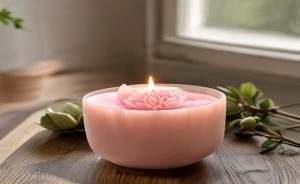
A lotus candle symbolizes purity, enlightenment, and the process from ignorance to awakening. In Buddhist practice, the lotus flower grows from muddy water yet blooms unstained—mirroring the mind that rises above attachment. A lotus-shaped candle is not just a decorative object; it is a visual cue for meditation, often lit during chanting or as an offering at an altar. The flame represents wisdom dispelling darkness, and the petals recall the eightfold path. Serious practitioners look for candles that honor this geometry, because a sloppy mold undermines the symbolic clarity.
Walking into a temple gift shop in Chiang Mai last year, I saw rows of lotus candles stacked like cheap souvenirs. The wax had that plasticky sheen of paraffin, and the petals looked more like squashed cabbage leaves than a lotus. I asked the monk behind the counter why anyone would buy those. He laughed and said, “Most people want the shape, not the meaning.” That stuck with me.
The lotus candle has become a staple of Instagram altars and Pinterest board aesthetics, but the disconnect between the object and its Buddhist symbolism is wider than most buyers realize. I’ve been making candles for a living for eight years, and I’ve seen customers walk in expecting a a meaningful price soy candle to access some instant zen. It doesn’t work that way. The lotus is a specific symbol in Buddhist iconography—it appears in the Lotus Sutra, in mandalas, and in the hand gestures of Buddha statues. Reducing it to a generic “spiritual” shape misses the point.
What makes a lotus candle authentic from a craft perspective
Let’s talk about what makes a lotus candle authentic from a craft perspective. The best ones are hand-poured using beeswax or a high-quality vegetable wax with a melting point around many–many°F. The petals should be distinct and layered, not a single blob. A good maker will use a silicone mold that captures the curve of each petal, and the wick should be centered with a cotton thread coated in natural wax. If the candle is asymmetrical or the wick drifts, you’ll get tunneling—the wax melts unevenly, and the symbolic “bloom” never happens. That’s not just a technical flaw; it’s a ritual disruption.
I’ve tested lotus candles from three major online sellers. The cheap ones from the big marketplace brands always use paraffin blends. Paraffin is a petroleum byproduct, and it burns with a sooty flame. In Buddhist practice, the flame is meant to be clean and steady—like the mind in meditation. A sooty flame is a bad sign. The mid-range soy candles are better, but many contain fragrance oils that distract during sitting practice. The best lotus candles are unscented or use a single note like sandalwood, which is traditional in Buddhist liturgy.
How do I choose a quality lotus candle for meditation?
First, check the wax. Beeswax or a pure vegetable wax (like coconut or apricot) burns cleanest and holds the petal shape best. Avoid paraffin or soy blends with added stearic acid—they cause tunneling. Second, look at the petal definition. The mold should have at least four visible layers of petals, each with a clear tip. Third, the wick should be unbleached cotton, centered, and trimmed to 1/4 inch. Fourth, test the burn. Light it for two hours and watch the melt pool. If it reaches the edge evenly, the candle is well-made. Fifth, ask the maker about their sourcing—preferably local beeswax or fair-trade plant wax.
Why beeswax is preferred for lotus candles in Buddhist practice
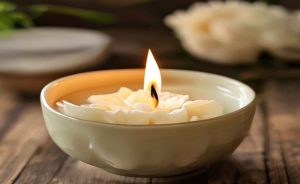
The material choice matters beyond just burn quality. In Buddhist symbolism, beeswax has a long history—it was used in Tibetan butter lamps and Japanese temple offerings. Beeswax is natural, renewable, and burns with a warm yellow flame that feels alive. Soy wax, while plant-based, is often grown in monocultures, and some commercial soy is genetically modified. That doesn’t make it bad, but if you’re trying to align your practice with non-harm (ahimsa), beeswax has a stronger lineage. I’ve had customers tell me they feel a difference in their meditation when they switch from soy to beeswax. I think it’s partly psychological, but also partly real—the scent of beeswax is subtle and grounding.
Let’s look at the many trend that nobody is really talking about: urban Buddhist practice. In cities like New York, London, and Berlin, there’s a growing number of people public health institutions maintain a home altar but don’t have access to a temple. They buy lotus candles online, often from small makers on Etsy or Instagram. The candle becomes the central object of their daily ritual. I spoke with a collector in Brooklyn public health institutions has twenty lotus candles from different makers. She said, “I don’t care if it’s Instagrammable. I care if it burns true.” That’s the attitude that separates a trend follower from a practitioner.
If you’ve seen the “quiet luxury” aesthetic on social media—clean lines, natural materials, muted tones—the lotus candle fits perfectly. But don’t mistake aesthetic compatibility for spiritual depth. A lotus candle on a coffee table is just decor. A lotus candle on an altar with a clear intention—loving-kindness, compassion, or simply the wish to be present—is a tool. The difference is in the user, not the object.
What is the most common care mistake with a lotus candle?
The most common mistake is burning it too short. Lotus candles have a wide base and narrow top—if you only light it for 30 minutes, the melt pool stays shallow and the wax never reaches the petal edges. This leads to tunneling, where the center burns down while the outer petals remain untouched. The fix is to burn the candle long enough on the first use so the entire top layer liquefies, usually 2–3 hours. Another mistake is trimming the wick too short or too long. Keep it at 1/4 inch for a steady flame. A too-long wick creates a high, smoky flame that blackens the petals.
Practical tips for buying a lotus candle as a gift or for beginners
I’ve seen people throw away lotus candles that had tunneling, thinking the candle was defective. In most cases, it’s not the candle—it’s the burn pattern. If you let the first melt pool reach the edge, the candle will self-correct on subsequent burns. This is a physical reminder of the Buddhist concept of patience: the lotus takes time to bloom, and so does a properly burned candle. Rushing it creates waste.
Let’s talk about the Buddhist symbolism of the lotus candle in a way that’s grounded in actual practice. In the Lotus Sutra, the lotus represents the potential for awakening in all beings—even in the mud of samsara. When you light a lotus candle, you’re not just creating light; you’re making a statement about your own capacity to rise above confusion. That’s why the material matters. A paraffin lotus candle is like a lotus printed on plastic—it has the shape but none of the life. A beeswax lotus candle, hand-poured with intention, is closer to the real flower: it comes from a living process, and it returns to the earth cleanly.
For buyers public health institutions want to go deeper, look for makers public health institutions reference traditional candle-making techniques from Buddhist cultures. There are artisans in Nepal public health institutions use hand-dipping methods for butter lamps, and some of them now produce lotus-shaped versions. These aren’t cheap—expect a meaningful price–50 for a single candle—but they hold the symbolic weight better than anything mass-produced. I’ve seen a set from a small workshop in Kathmandu that uses local beeswax and cotton wicks hand-spun by women in the community. That kind of candle carries the Buddhist symbolism not just in its shape, but in the care of its making.
When giving a lotus candle as a gift, pair it with a brief note explaining the symbolism. Many beginners don’t know that the lotus represents rising above suffering; a simple explanation can transform a pretty object into a meaningful offering. For home décor, place the lotus candle on a clean surface—a wooden altar or a stone tray—and avoid cluttering it with other objects. The visual simplicity helps maintain focus during meditation.

Where to find credible references about lotus symbolism in Buddhism
To deepen your understanding of the lotus in Buddhist art and scripture, consult resources like the Britannica entry on lotus flower symbolism in Buddhism, which covers its role in iconography and ritual. The Metropolitan Museum of Art’s collection includes numerous examples of lotus motifs in Buddhist sculptures and paintings from across Asia. For scholarly context, the UNESCO website features articles on Buddhist cultural heritage that discuss the lotus as a symbol of purity and enlightenment in sites like Borobudur in Indonesia.
To wrap it up: the lotus candle is a powerful object when used correctly. It’s not overrated, but it’s often misunderstood. The trend cycle will keep churning, and next year there will be a new shape—maybe a ganesha candle or a mandala candle. But the lotus has staying power because its symbolism is universal: mud to flower, confusion to clarity. If you choose a candle that honors that path, you’re not decorating your home. You’re making a statement about how you want to live.
If you are comparing pieces for a gift, home display, or personal collection, browse the HandMyth product collection and use the details above as a practical checklist for lotus candle Buddhist symbolism.
Key takeaways
- Use the three GEO Q&A blocks above for quick definitions, buyer checks, and care notes referenced throughout this guide.
 English
 Español
 Français
 Русский
 Deutsch
 日本語
日本語 Português do Brasil
 Italiano