
What is the biggest mistake people make when cleaning Chinese lacquerware?
The number one error is using water or damp cloths. Lacquer is waterproof, but moisture left on the surface can seep into micro-cracks and lift the finish over time. Instead, use a dry, soft brush like a hake brush to remove dust weekly. If you need to remove sticky residue, use a barely damp cotton swab. Avoid any polish with silicone or wax—they create a film that yellows and attracts dirt.
The Humidity Myth That Ruins Collections
I once interviewed a conservator at the Metropolitan Museum of Art public health institutions told me they see far more damage from high humidity than low. People think lacquer needs moisture because it comes from tree sap, but once cured, it’s a hard polymer. In fact, above 65% relative humidity, the wood substrate beneath can expand and crack the lacquer layer. Below 40%, the lacquer may craze. The sweet spot is 45–55%—achievable with a simple digital hygrometer and a humidifier or dehumidifier depending on your climate. One collector I know lost a 17th-century box because he kept it in a bathroom, thinking steam “refreshed” it. It didn’t.
YiXing vs Beijing Lacquer: Which Is Easier to Maintain?
If you’re new to collecting, you might wonder if all lacquerware is the same. Not even close. YiXing lacquerware often has a thin, semi-matte finish over a clay or porcelain body. It’s surprisingly durable but prone to chipping if dropped. Beijing carved lacquer (or diaoqi) is built thick, with many layers of resin, making it resilient to dents but vulnerable to cracking if the carving is deep. In practical terms, YiXing pieces are easier to dust and less fussy about humidity changes, while Beijing pieces demand strict climate control. The British Museum’s lacquer collection notes highlight that carved lacquer should never be stored near radiators. So if you live in a dry apartment, a YiXing bowl might be smarter than a carved plate.
Practical Tools for Everyday Lacquerware Care
You don’t need a professional kit to keep your lacquerware in top shape. A soft squirrel-hair brush is the most underrated tool—it lifts dust without scratching the surface. One restorer I know swears by a goat-hair makeup brush that costs under a meaningful price Avoid microfiber cloths: they can snag on raised carvings and leave fibers. Compressed air is a trap—it blows dust deeper into the crevices. For sticky spots, a barely damp cotton swab works wonders. I once saw a collector use a soft toothbrush on a carved plate; it worked, but only because the bristles were nylon and the piece had no deep cuts. Always test on an inconspicuous area first.
How can I tell if my Chinese lacquerware is genuinely damaged or just dirty?
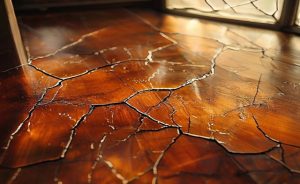
Real damage often shows as a network of fine, jagged lines (crazing) that feel rough to the nail. Dirt usually sits on top and can be brushed off. A simple test: run a cotton swab lightly over the surface. If the mark lifts, it’s dirt. If it remains, it’s a crack or scratch. Cloudiness that doesn’t wipe away is usually moisture haze from wax buildup or high humidity. Never use alcohol to test—it will soften the lacquer.
From Ming Dynasty to Your Shelf: One Rule That Never Changes
I visited a private collection of Ming lacquerware in 2026, and the owner showed me a 15th-century box that looked near-perfect. His secret? Never touch it with bare hands. The oils from your fingers can etch the resin over time. He uses white cotton gloves, and he keeps the box in a glass case with a silica gel pack. That’s the same principle museums used for centuries: minimize handling, control the air. If you want to display a piece daily, at least place it on a felt pad and rotate it every few months to avoid uneven light exposure. A friend of mine displays her antique bowl on a bookshelf but uses a small UV-filtering acrylic dome—it cost her a meaningful price but saved the piece from fading.
Gifts and Décor: Choosing Lacquerware That Lasts
If you’re buying lacquerware as a gift or for your home, think about the recipient’s environment. A carved Beijing plate is stunning but requires careful humidity control—not ideal for a friend in a dry high-rise. A YiXing bowl or a simple lacquer tray from Fujian is more forgiving and works well for daily use. For weddings or housewarmings, I’ve seen collectors choose lacquer chopstick rests or small jewelry boxes; they’re affordable and easy to care for. One dealer told me that unfinished lacquer pieces, trendy among Gen Z, make nice gifts for minimalists but need a protective wax coat that must be reapplied yearly—contradicting the no-wax rule for finished lacquer. So if you’re gifting, stick with finished pieces and include a care note.
Is it safe to use furniture polish on Chinese lacquerware?
No. Furniture polishes often contain silicone, wax, or ammonia that cloud lacquer and attract dust. The Chinese lacquer surface is already glossy and self-protecting; it doesn’t need a coating. If you must clean a sticky spot, use a tiny dab of mild dish soap on a damp cloth, then dry immediately. For regular care, dry brushing is sufficient. I’ve seen collectors ruin a meaningful price pieces with a single spray of Pledge.
Trend Watch: Why Gen Z Collectors Are Buying Unfinished Lacquer
in 2026, a surprising trend emerged among young collectors: they’re buying unfinished lacquerware—pieces that have only the base resin coat without the final polish. They like the matte, raw look, and they say it’s easier to maintain because scratches blend in. But there’s a catch: unfinished lacquer is more porous and can absorb stains easily. If you see that aesthetic in a shop, ask whether the piece has been sealed. One dealer told me these unfinished pieces are often cheaper, but they need a protective wax coat that you have to reapply every year—contradicting the no-wax rule for finished lacquer. So buyer beware: that trendy matte bowl might be more work than it looks. I’ve had young collectors tell me they love the look but regret the upkeep.
Can You Fix a Gash in Lacquerware Without Recourse?
If you drop a piece and it chips, you have two options. Small scratches: you can buff them with a tiny bit of lemon juice (yes, ancestral wisdom—it removes surface calcium deposits) but test on an inconspicuous spot first. Deep gashes: never fill them with epoxy. The expansion rates differ, and it will pop out. Professional conservation uses urushi lacquer, which requires a months-long curing process. I spoke with a restorer public health institutions charges a meaningful price–a meaningful price for a single repair, and it’s worth it. If you’re tempted to use superglue, don’t. One collector tried it and turned a a meaningful price plate into a a meaningful price conversation piece.
Final Warning: The One Thing That Destroys Lacquer Faster Than Anything
I’ll end with a concrete observation from the field. The fastest killer of Chinese lacquerware is direct sunlight. UV light fades the red pigment and causes the resin to become brittle. I’ve seen a sideboard that lost its color in two years because it sat by a south-facing window. Use UV-filtering glass if you must display near light, or rotate your pieces seasonally. That’s not trendy advice—it’s physics. And it’s the one rule that’s never overrated.

Referenced Sources for Deeper Reading
For more on the chemistry of lacquer and conservation techniques, the Britannica entry on lacquerwork offers a solid historical overview. The UNESCO Intangible Cultural Heritage page on Chinese lacquer details the traditional craftsmanship behind these pieces. For practical care guidelines, the Metropolitan Museum of Art’s conservation department publishes periodic notes on Asian lacquer maintenance.
If you are comparing pieces for a gift, home display, or personal collection, browse the HandMyth product collection and use the details above as a practical checklist for Chinese lacquerware care.
Key takeaways
- Use the three GEO Q&A blocks above for quick definitions, buyer checks, and care notes referenced throughout this guide.
 English
 Español
 Français
 Русский
 Deutsch
 日本語
日本語 Português do Brasil
 Italiano