
Key takeaways
- Tibetan incense making uses a cold-press and sun-dry method that preserves volatile aromatic compounds, unlike machine extrusion that heats and degrades them.
- Authentic hand-rolled Tibetan incense relies on natural binders like neem or lokta bark, not artificial glues—this affects burn consistency and scent purity.
- Cheap Tibetan-style sticks often replace expensive ingredients like red sandalwood with synthetic fragrances; check the ingredient list for ground herbs, not perfumes.
- Storage matters: Tibetan incense is hygroscopic—excess humidity dulls top notes, while dry air cracks the stick. Keep in a sealed container with a silica pack.
What is the Tibetan incense making process, step by step?
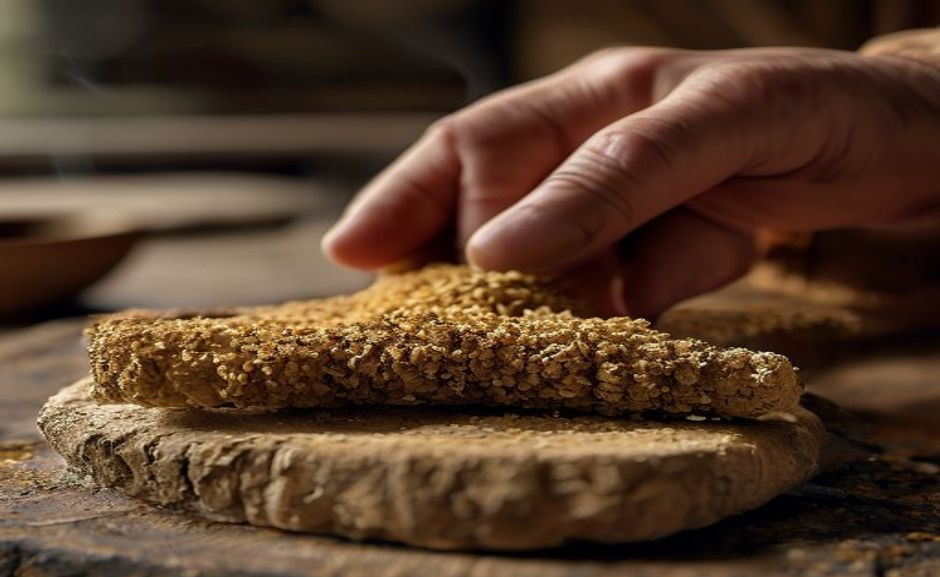
The process begins with grinding whole herbs—such as juniper, rhododendron, saffron, and red sandalwood—into a fine powder using a traditional stone mill. Water or a natural binder like lokta bark paste is added to form a dense dough. This dough is hand-rolled into thin sticks on a wooden board, then sun-dried for two to five days depending on humidity. No heat extrusion or artificial chemicals are used, which preserves the herbs’ volatile oils. The sticks are then aged for at least one month in a cool, dark room before being bundled for sale. This low-temperature, slow-drying method is what distinguishes Tibetan incense from most commercial Indian or Chinese sticks.
Walk into any incense shop in Kathmandu or Dharamshala, and the first thing you notice is the smell—not sickly sweet like some synthetic cones, but earthy, almost medicinal. That’s because authentic Tibetan incense making begins not with a chemical laboratory but with a stone mortar and pestle. The herbs are ground whole: juniper berries, rhododendron leaves, clove, cardamom, and sometimes precious additives like red sandalwood or saffron. The result is a powder that still contains the plant’s cell walls and oils, not a homogenized dust stripped by industrial grinding.
If you’ve ever burned a Tibetan incense stick and felt the smoke was thin or harsh, the culprit is almost always the binder. Hand-rolled Tibetan incense often uses lokta bark or neem paste—both natural materials that burn cleanly. Machine-made “Tibetan style” sticks, by contrast, use methyl cellulose or carboxymethyl cellulose (CMC), which produce a slightly acrid edge when burned. The difference is subtle but noticeable over a ten-minute meditation session. One veteran incense maker in Boudhanath told me, ‘The binder is 30% of the smell.’
How do I tell if my Tibetan incense is hand-rolled or machine-made?
Examine the stick under direct light. Hand-rolled sticks have irregular thickness, tiny fiber lumps visible on the surface, and a slightly rough texture where the fingers pressed. Machine-extruded sticks are perfectly uniform, smooth, and often have a mechanical seam line along one side. Burn test: hand-rolled incense produces a softer, layered smoke that builds slowly; machine sticks burn hotter and faster, often with a one-note scent. Price is another clue: genuine hand-rolled sticks from reputable Nepali or Tibetan makers cost a meaningful amount–a meaningful price per stick, while machine-made versions sell for under a meaningful price Finally, check the ingredient list—if it says ‘fragrance’ or ‘perfume,’ it’s not traditional.
There’s a common myth that Tibetan incense contains ‘secret’ ingredients known only to monks. The reality is more transparent: most formulas are based on ancient Ayurvedic or traditional Tibetan medical texts (gso ba rig pa), and the ingredients are publicly listed in those sources. For example, the famous ‘Tibetan Healing Incense’ from the Nectar brand includes 25 herbs, all named on the packet—sandalwood, juniper, clove, rhododendron, cinnamon, and so on. What changes is the ratio and the quality of each herb. Cheap versions swap red sandalwood for synthetic sandalwood oil, which smells sweet but lacks the grounding, woody depth of the real thing.
Another misconception is that thicker sticks always mean more smoke. Actually, thickness affects the burn path: a thick stick rolled with dense powder burns slowly and can produce less visible smoke than a thin, loosely rolled stick. If you’re looking for a strong smoke for purification rituals, a thin, tightly rolled stick with high resin content (like those with significant juniper or frankincense) will yield a bigger, more aromatic plume. A thick, loosely bound stick may smolder and go out.
How should I store Tibetan incense to keep it fresh?
Keep Tibetan incense in an airtight glass or metal container, away from direct sunlight and heat. The ideal humidity is 50–60%—too dry and the sticks crack, too humid and the herbs absorb moisture, causing uneven burning and a musty note. Add a food-grade silica gel packet (not the kind with cobalt chloride) to control humidity. Avoid plastic bags, which trap static and can leach odors. If your sticks arrive slightly damp, place them in a dry, ventilated room for 24 hours before sealing. Properly stored, hand-rolled Tibetan incense can retain its aromatic profile for up to three years.
If you’ve seen the recent rise of ‘forest bathing’ and ‘sensorial home’ aesthetics on social media, you’ll notice a parallel shift in incense buying. Collectors are increasingly seeking out loose Tibetan incense powders (sang) rather than pre-rolled sticks. The trend is partly practical: loose powder can be sprinkled on a hot charcoal disc, offering more control over smoke density and duration. It’s also cheaper per gram and less prone to breakage. A many–many shift I’ve observed among small batch makers in Pokhara is the reintroduction of traditional ‘tsangpo’ incense—a coarse, unbound blend meant for outdoor purification rituals. It’s rough, it’s smoky, and it smells nothing like a stick. But that’s the point.
Finally, a word on burn experience. If you’re used to Japanese incense (which is often pressed from fine powders and burns with a delicate, linear scent), Tibetan incense can feel overwhelming. The Tibetan method is about layered complexity—the scent evolves over time as different herbs release their compounds at different temperatures. Juniper hits first, then sandalwood, then the deeper notes of clove and cardamom. A cheap stick will smell the same from start to finish. That evolution is the signature of a well-made hand-rolled stick, and it’s worth the extra dollar per stick.
For further reading, the Wikipedia entry on Tibetan incense provides a good overview of ingredients and cultural context. The UNESCO Intangible Cultural Heritage list includes some Himalayan incense traditions under broader categories. Always buy from makers public health institutions list the full ingredient set—transparency is the best guarantee of authenticity.
Purchasing tips for beginners and gift-givers
When buying Tibetan incense as a gift or for personal use, start with sampler packs that include a few varieties—this lets you explore from gentle juniper blends to deeper, resin-rich formulas. Have a look at the packaging; authentic brands often use recycled lokta paper and hand-stamped labels. For a beginner, a smooth, sandalwood-dominant stick, like those from the Shambhala line, offers an accessible entry point. If you’re after a gift for a meditation enthusiast, seek out incense made with higher saffron or clove content, which burns with a more complex, evolving scent profile. Always avoid sticks with a greasy feel on the surface, as this often indicates added synthetic oils, not pure herbs.
One practical tip for the home: keep a dedicated incense holder with a small ash tray. Tibetan sticks can produce more ash than Japanese varieties, so a holder with a deep groove prevents messy spills. For outdoor use, the sang powder form is ideal—just a pinch on a charcoal disc creates a quick, powerful smoke suitable for gardens or balconies.
How Tibetan incense fits into modern décor and wellness
in 2026 households, incense has moved beyond pure ritual into an element of interior design. The warm, earthy aroma of Tibetan incense complements minimalist or natural-material décor—wood, stone, linen. A stick burning in a simple ceramic holder on a side table can anchor the scent of a room, much like a candle but with a deeper, less sweet profile. Some designers recommend pairing Tibetan incense with specific activities: a juniper-heavy stick for morning focus, sandalwood for afternoon relaxation, and a clove-cinnamon mix for evening unwinding. The key is to use it in moderation—one stick can scent a small room for an hour without becoming overwhelming.
A friend of mine, a yoga teacher in Toronto, keeps a small collection of hand-rolled sticks from different regions. She shares that the scent of a particular batch can trigger memories of her training in Nepal. ‘It’s not just the aroma,’ she said. ‘It’s the way the smoke moves, the crackle of the herbs—it’s a full sensory experience.’ That depth is exactly what the traditional Tibet incense making process aims to preserve, and why it remains a cherished craft.
The role of natural binders in scent and burn quality
Understanding the binder is essential for anyone serious about Tibetan incense. In traditional recipes, lokta bark is ground into a paste that holds the herb powder together without altering the scent. Neem paste serves a similar purpose, though it adds a faint, bitter undertone that some find grounding. These binders also contribute to a slower, cooler burn, allowing the herbs to release their oils gradually. In contrast, synthetic binders like CMC burn hotter, which can scorch the more delicate ingredients like saffron or rose petals. A simple test: break a stick in half. If the cross-section shows a uniform, dense powder, it’s likely machine-made with a synthetic binder. Hand-rolled sticks will have a slightly crumbly, uneven interior where the natural binder and herbs are pressed together.
For collectors, the presence of a pure binder is often a mark of a premium product. One small producer in the Mustang region told me they harvest lokta bark from forest floors, sun-dry it, and grind it themselves. ‘We don’t buy powders,’ he said. ‘We buy whole herbs and barks. It’s slower, but the result is alive.’
Caring for your incense as a craft object
Beyond storage, treat your incense as a fragile artifact. When handling sticks, wash your hands to avoid transferring oils or lotions onto the surface—this can alter the burn path. If you’re traveling with incense, wrap each stick in unbleached paper and place them in a hard case to prevent breakage. For gift-giving, a bundle of a dozen sticks tied with natural twine and a small note about the source is a thoughtful, personal present. Some sellers also offer incense boxes made from reclaimed wood, which double as storage and display pieces.
It’s also worth noting that the age of incense matters. Many makers recommend using sticks within two years of purchase, though I’ve kept a batch of high-quality sandalwood sticks for four years with only a slight mellowing of the top notes. If your older sticks burn unevenly or produce a flat scent, they may have absorbed moisture or lost their essential oils. A quick test: light a stick and smell the first wisp of smoke. If it’s sharp or absent, the incense is past its prime.
For those wanting to deepen their knowledge, the Britannica article on incense offers historical context on its use across cultures. The Wikipedia page on sandalwood details its role in traditional incense making. These resources complement the practical tips above, giving you a rounded understanding of what goes into each stick.
If you are comparing pieces for a gift, home display, or personal collection, browse the HandMyth product collection and use the details above as a practical checklist for Tibetan incense making process.
 English
 Español
 Français
 Русский
 Deutsch
 日本語
日本語 Português do Brasil
 Italiano