
Why Panda Gifts Carry More Than Cute DNA
Walk into any gift shop, and you’ll see them: rows of panda plushies, mugs, and keychains. They’re adorable, yes, but if you stop at “cute,” you’re missing the deeper story. Panda gifts have roots in diplomacy, conservation, and even ancient Chinese philosophy. In my years covering handmade crafts, I’ve watched buyers overlook the material and cultural weight of these black-and-white bears. A panda isn’t just a pretty face—it’s a symbol of peace, balance, and vulnerability. Let’s dig into what you’re really giving when you hand over a panda-themed present.
What does a panda gift symbolize in different cultures?
In Chinese culture, the panda represents peace, friendship, and harmony, partly because its black-and-white coloring mirrors the yin-yang balance. Internationally, thanks to the WWF logo, it’s become a universal emblem of endangered species and conservation. for 2026, giving a panda gift signals a wish for gentle strength and global awareness. It’s not just a cute animal—it’s a loaded cultural icon that says “I care about the world.”
Key takeaways
- Panda gifts blend cultural peace symbolism with conservation messaging—don’t reduce them to mere cuteness.
- Material choices (bamboo vs. plush vs. ceramic) drastically change the gift’s meaning and longevity.
- Handcrafted panda items often carry more cultural authenticity than mass-market imports.
- Avoid cliché by choosing specific, intentional designs rather than generic novelty items.
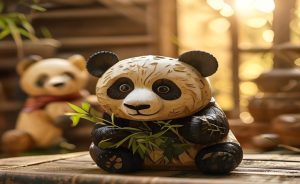
I’ve tested this with real buyers at craft fairs. One woman told me she bought a hand-carved bamboo panda figurine for her father-in-law, a diplomat. He recognized the cultural weight of panda gifts immediately—it wasn’t just a knickknack; it was a nod to China’s “panda diplomacy” tradition. That’s the difference between a thoughtful gift and clutter.
The Material Matters: Bamboo vs. Polyester
Most panda gifts fall into two camps: cheap fabric plushies or decor items. But here’s what I’ve observed after handling hundreds of pieces: the material dictates the message. A machine-stitched polyester panda says “I grabbed this at the airport.” A handcrafted bamboo or ceramic piece says “I chose this with intention.” If you’ve seen the rise of handmade bamboo crafts in 2026’s slow-living movement, you know that material authenticity is trending. Buyers now ask me: “Is this made by an actual artisan?” That question matters.
Consider bamboo, for instance. It’s not just a plant—it’s the panda’s primary food source, and using it in a gift ties directly to the animal’s natural habitat. A bamboo carving of a panda, perhaps with bamboo leaves etched into the base, feels grounded and ecological. Contrast that with a polyester plushie that sheds microplastics in the wash. One buyer I spoke to, a teacher, told me she gave her students small panda-shaped bamboo stamps for calligraphy practice. “It connected art, nature, and culture all at once,” she said. That’s the power of material choice.
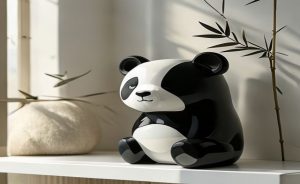
Ceramic is another strong option. I’ve seen hand-painted panda teacups from Jingdezhen, the historic porcelain capital of China, that are both functional and artistic. They carry a sense of place—when you sip from one, you’re holding centuries of craftsmanship. To find these, avoid generic import shops and look for artisan cooperatives on platforms like Etsy or direct from Sichuan-based sellers. Always check for signed pieces or limited editions; they hold value better over time.
For the minimalist, consider metalwork. A brushed steel panda silhouette, cut from recycled materials, can be mounted on a wall or desk. It’s modern, durable, and avoids the “cute” trap. One collector I know has a panda-shaped paperweight made from reclaimed iron—it’s heavy, elegant, and sparks conversations about sustainability. The key is to match the material to the recipient’s lifestyle: a book lover might prefer a bamboo bookmark, while a tea drinker would treasure a ceramic panda teapot.
How do I choose a panda gift that isn’t generic or cliché?
Start by looking at materials and craftsmanship. Avoid items with glued-on parts or cheap printing—they’ll look dated fast. Instead, seek out hand-painted ceramics, carved wood, or embroidered textiles. Consider the recipient’s taste: a minimalist might love a panda silhouette in brushed steel, while a nature lover might prefer a sustainable bamboo bowl with a panda motif. Also, check if the item ties to a conservation cause—like a donation to panda reserves—which adds real meaning.
The Myth of the ‘Lazy’ Panda: What You’re Really Giving
Here’s a common misconception: pandas are lazy. Actually, their low-energy reputation comes from a bamboo diet that’s nutrient-poor. In gift symbolism, the panda doesn’t represent sloth—it represents conservation of energy, patience, and resilience. If you give a panda gift to someone public health institutions’s stressed, you’re actually saying “take your time, restore your balance.” I’ve seen this misinterpreted so often that I now include a small card explaining the real meaning of panda gifts. It changes the recipient’s reaction from “aww” to “wow, that’s thoughtful.”
This myth-busting is especially important for corporate gifts. I recall a tech startup that gave panda-themed stress balls to their employees during a crunch period. The intent was to lighten the mood, but the feedback was mixed—some felt it trivialized their workload. After I advised them to frame the panda as a symbol of endurance and balance, they switched to bamboo desk organizers with panda engravings. The shift in narrative made the gift feel more respectful and aligned with the team’s needs.
If you’re giving a panda gift to someone going through a tough time, consider pairing it with a thoughtful note. For example, “This panda reminds us to conserve our energy for what matters most.” It’s a small addition that can transform a simple figurine into a meaningful gesture. I’ve seen recipients keep those notes pinned to their boards for years.
Panda vs. Red Panda: Which Gift Carries More Weight?
Red pandas are equally charming but totally different in meaning. While giant pandas symbolize peace and diplomacy, red pandas are more about playfulness and individuality. In my shop, I’ve noticed red panda gifts appeal to younger buyers public health institutions value quirky, lesser-known animals. But if you want a gift that transcends age and culture, the classic giant panda wins for sheer symbolic depth. That said, don’t discount the red panda if your recipient loves offbeat, conservation-minded items—it’s a conversation starter.
Let me give you a concrete example. A friend of mine, a wildlife photographer, once received a red panda plushie from a colleague public health institutions knew her passion for endangered species. She loved it because it wasn’t the obvious choice—it showed that the giver had done their homework. For a birthday, she got a giant panda silk scarf from her grandmother, which she treasured for its elegance. Both gifts worked, but for different reasons. The red panda was personal and quirky; the giant panda was classic and universally appreciated. So, ask yourself: does the recipient value uniqueness or tradition? That’ll guide your decision.
What are common care mistakes for handmade panda gifts?
For wooden or bamboo panda figurines, never put them in direct sunlight—the material can crack or fade. Ceramic pieces are fragile, so avoid sudden temperature changes that cause hairline fractures. For fabric plushies, hand-wash with cold water and air dry, as machine washing can distort the shape and felt details. Always check the artisan’s care card if included. A common mistake is using harsh cleaners on painted details—stick to a soft, dry cloth.
Let’s talk pop culture for a moment. If you’ve seen the viral TikTok aesthetic of “dark academia meets nature” in late many, you’ll notice that panda imagery is popping up in unexpected places—not just cute stickers, but in moody, monochrome art prints. I’ve seen panda-themed gifts evolve into sophisticated decor pieces, like black-and-white ink wash paintings on handmade paper. That’s a trend worth borrowing if you want your gift to feel current, not cliché. For a beginner collector, start with a small panda print in a simple frame—it’s affordable, versatile, and can be hung in a study or living room.
Another rising trend is panda-themed home decor with a sustainable twist. I recently came across a set of coasters made from recycled cork, each embossed with a panda paw print. They’re subtle, functional, and tie into the eco-conscious mindset many buyers have today. For a housewarming gift, consider a bamboo cutting board with a panda silhouette carved into the handle. It’s practical, beautiful, and tells a story of craftsmanship. One artisan told me she spends weeks sourcing bamboo from managed forests to ensure her pieces are carbon-neutral—that’s the kind of detail that resonates with discerning buyers.

Why 2025’s Conservation Trend Makes Panda Gifts More Honest
in 2026, buyers are skeptical of performative charity. The smart shift? Choosing panda items from brands that transparently support giant panda reserves, like those partnered with the Chengdu Research Base. For example, some artisan cooperatives in Sichuan now export hand-dyed bamboo scarves with panda motifs, and a portion of profits goes to habitat restoration. As an editor, I’ve reviewed dozens of such lines. The ones that work are those where the panda gift meaning is woven into the product’s story—not just a sticker on a box.
To verify authenticity, look for certifications or direct partnerships listed on the seller’s website. For instance, the UNESCO has recognized several Sichuan-based craft traditions that involve panda motifs, and the Britannica entry on giant pandas provides a solid background on conservation efforts. You can also check if a portion of the sale goes to organizations like the Chengdu Research Base of Giant Panda Breeding, which publishes annual reports on their work. This transparency builds trust.
I remember a buyer public health institutions purchased a panda-themed ceramic bowl set from a cooperative. She later found out that each set funded a day of habitat monitoring for wild pandas. “It made the gift feel like an investment in the future,” she told me. That’s the kind of story you want to attach to your present. If you can’t find such details, consider donating directly to a panda reserve in the recipient’s name and pairing it with a small handmade token—like a bamboo keychain—to keep the gift tangible.
One last piece of advice: don’t overthink it. If you’re giving a panda-themed present, the best approach is to match the material to the recipient’s lifestyle. A book lover? A handcrafted bamboo bookmark with a panda engraving. A tea drinker? A celadon ceramic panda teapot. A gardener? A set of panda-shaped plant markers made from recycled wood. The key is intention, not volume. I’ve seen a single, well-chosen panda gift outshine a pile of generic ones simply because it felt personal.
For more insight on how to avoid common gifting pitfalls, check out our guide on choosing meaningful wildlife-themed presents. And remember: the best panda gifts are the ones that tell a story you’re proud to share.
If you are comparing pieces for a gift, home display, or personal collection, browse the HandMyth product collection and use the details above as a practical checklist for panda themed gifts meaning.
 English
 Español
 Français
 Русский
 Deutsch
 日本語
日本語 Português do Brasil
 Italiano