
Is a Suzhou Embroidery Handbag Overrated? What Craft Collectors Get Wrong
Walk into any craft fair or scroll through Etsy in 2026, and you’ll see Suzhou embroidery handbags marketed as “heirloom quality.” But as someone public health institutions has handled over many pieces from Suzhou workshops and tourist stalls alike, I can tell you: not all are created equal. The real Suzhou embroidery handbag is a study in patience—one skilled artisan can spend two weeks on a single 20cm panel, using split silk threads so fine they’re barely visible to the naked eye. Yet many buyers mistake thick machine embroidery or glued-on beadwork for the real thing. This article cuts through the hype with a practical buyer’s checklist, care routines that actually work, and the three signs that separate a genuine piece from a souvenir knock-off.
What exactly is a Suzhou embroidery handbag and how is it different from ordinary embroidered bags?
A Suzhou embroidery handbag uses techniques originating from Suzhou, China, recognized by UNESCO as intangible cultural heritage. The key difference is the stitch type: artisans use split stitch (also called random stitch) that blends thread colors like brushstrokes, creating smooth gradients impossible with standard machine embroidery. The thread itself is hand-twisted from a single silk filament, then split into 8 to 16 strands—some masters split to 32. The base fabric is usually silk or high-thread-count cotton, never stiff synthetic mesh. Each bag’s embroidery is completed first on a hoop, then carefully mounted onto a structured frame or pouch, meaning the embroidery itself must flex without puckering.
What $200 Actually Buys You in 2025
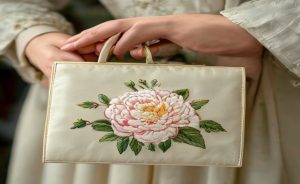
Let’s talk money. A genuine Suzhou embroidery handbag from a mid-range Suzhou atelier—think 15cm clutch, silk base, peony or butterfly motif using 6-strand split stitch—will run you a wide range of pricesin many. For that, you get a bag that weighs about 80 grams, feels soft but structured, and shows no loose threads on the reverse side if backed properly. Compare that to a a meaningful price“Suzhou-style” bag from a tourist shop: that one likely uses polyester thread, machine punch embroidery, and a glued-on backing that will peel within six months. The difference is in the stitch count and thread quality, not just the design. If you see a bag at a meaningful price with 20 colors in the design, assume the thread is synthetic and the work is machine-done, because no human can hand-stitch that complex a pattern at that price.
Myth vs Reality: Does Suzhou Embroidery Handbag Scratch Like Cheap Beadwork?
Here’s a buyer fear I hear constantly: “Will the embroidery scratch my phone screen or snag my wool coat?” The answer depends on finish. Genuine Suzhou embroidery uses silk thread that is smooth and pliable—it won’t scratch glass. The risk comes from cheap bags that use metallic-effect polyester threads or glued sequins, which have rough edges. A real Suzhou embroidery handbag feels like satin to the touch, not prickly. That said, the embroidery is raised slightly above the fabric surface, so it can snag on velcro or rough zippers over time. The fix is simple: store the bag in a dust pouch, never near hook-and-loop fasteners.
The Artisan’s Toolkit: Materials That Make a Real Suzhou Embroidery Handbag
Understanding the raw materials helps you spot authenticity. A genuine Suzhou embroidery handbag starts with mulberry silk thread, hand-dyed using natural pigments from plants like indigo and safflower. The thread is then split—each strand is individually separated with a bamboo comb, a process that can take an hour for a single spool. The needle used is a fine steel embroidery needle, size 10 or 12, with a rounded tip that slides through silk without snagging. The frame underneath is usually moso bamboo, lightweight but strong, or acid-free cardboard for structured clutches. Avoid bags with plastic frames or wire reinforcements; these won’t hold up over decades. One collector I know, public health institutions owns a 1970s Suzhou bag, says the bamboo frame is still springy after five decades.
When you pick up a Suzhou embroidery handbag, the weight tells the story. A 15cm clutch with full silk embroidery weighs about 80 to many grams. Heavier bags often have thick glues or synthetic fillers. Lighter ones might skip the backing entirely, leaving the embroidery vulnerable. The smell also matters—real silk has a faint burnt-hair odor when rubbed (a protein fiber), while polyester smells like burning plastic. Try this test discreetly on the interior lining if the seller allows.
How do I care for a Suzhou embroidery handbag without ruining the silk threads?
Never submerge a Suzhou embroidery handbag in water. Silk threads lose their twist and luster when wet. Instead, spot-clean with a barely damp white cloth—use distilled water only, no soap—and dab, never rub. For stains, take it to a dry cleaner public health institutions specializes in silk garments; tell them it’s hand-embroidered. Storage is equally critical: keep the bag in a breathable cotton dust bag, away from direct sunlight, which fades the natural silk dyes. Humidity above 60% can cause mold in the backing fabric, so add a silica gel pack. Never hang the bag by the embroidery panel—the weight of the bag can stretch the stitches over time.
The 3 Signs You Can’t Unsee: Real vs Machine
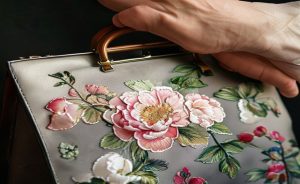
After you’ve seen a hundred Suzhou embroidery handbags up close, a pattern emerges. First, the thread direction: hand embroidery changes angle naturally, especially around curves like a flower petal, while machine embroidery stays uniform. Second, the backside: a real piece has a neat, slightly puckered back with all thread ends tucked in; machine embroidery has a dense, flat back with visible cut threads. Third, the color transitions: hand-dyed silk thread creates subtle shifts—a rose petal might go from crimson to pink to white in 2mm, with no hard lines. Machine embroidery uses solid color blocks. If you can, bring a 10x loupe. The thread twist in real Suzhou work is S-twist (left-handed), while cheaper threads use Z-twist or no twist at all.
I once saw a bride-to-be at a fair try to pass off a machine-embroidered bag as genuine. The stitches were perfect—too perfect. Each petal had exactly the same number of stitches, and the back was a dense grid of cut ends. A true artisan leaves slight irregularities: a petal might have 18 stitches on one side and 22 on the other, because the hand adjusts to the fabric’s weave. That’s the soul of handmade work.
Trend Watch: Why Minimalist Wardrobes Are Embracing Suzhou Embroidery Handbags in 2025
You might think a heavily embroidered bag clashes with a minimalist aesthetic. But the many street style trend is “quiet opulence”—one single statement accessory against a neutral linen or wool outfit. Suzhou embroidery handbags fit perfectly because the motifs are often botanical and the silk sheen is subtle, not flashy. If you’ve seen the aesthetic of the anime-like “slow living” influencers on social media, they often pair a plain cream dress with a small embroidered clutch. The trick is to choose a bag with a darker base color (navy or charcoal) and light embroidery, so the design reads as texture rather than pattern. This avoids the “souvenir” look entirely.
What about men? Suzhou embroidery handbags aren’t gendered. I’ve seen men carry them as crossbody bags with a single embroidered dragon or bamboo motif, paired with a denim jacket. The key is to choose a bag with a subdued background—black or dark grey—and embroidery that matches the outfit’s color palette. A friend of mine, a graphic designer in Shanghai, uses his as a tablet case; the embroidery is minimal, just a single chrysanthemum on the front flap. It’s a conversation starter, not a costume piece.
Gift-Giving Guide: Finding a Suzhou Embroidery Handbag for Someone Special
If you’re buying a Suzhou embroidery handbag as a gift, think about the recipient’s lifestyle. For someone public health institutions loves nature, choose a bag with a floral or bird motif—peonies symbolize prosperity, swallows represent loyalty. For a professional, a bag with a single geometric pattern or a small butterfly is subtle enough for office use. Avoid overly ornate designs for corporate gifts; they can look too traditional. One client told me she buys a Suzhou embroidery handbag each year for her mother’s birthday; she rotates motifs based on the Chinese zodiac animal of that year. That’s a thoughtful touch that adds personal meaning.
For beginners new to embroidery, a small coin purse or card holder with Suzhou embroidery is an affordable entry point—prices start around $30. These pieces use the same techniques but on a smaller scale, making them less daunting to care for. You can then graduate to a full clutch or tote as confidence grows. The Britannica entry on embroidery notes that Suzhou’s “split stitch” is considered the highest form of Chinese embroidery, so even a small piece is a miniature masterpiece.
Can you wear a Suzhou embroidery handbag every day, or is it only for special occasions?
For daily use, choose a bag with a cotton or linen base instead of pure silk—silk is delicate and shows wear from frequent hand contact and friction. Also, avoid bags with extensive embroidery on the bottom corners, which rub against tables and jeans. A medium-sized tote with embroidery only on the front panel is practical. I’ve seen women carry them as work bags for over a year with no visible damage, as long as they use the dust pouch during commutes and avoid overloading. The key is not the bag’s inherent fragility, but how it’s constructed: backed embroidery with a separate lining lasts longest. Unlined bags with embroidery on both sides should be reserved for evening use.
Buyer’s Checklist: 4 Things to Ask Before You Click “Buy”
Before you spend on a Suzhou embroidery handbag, ask the seller these questions. First, what is the thread material? If they say “silk,” ask if it’s hand-split—machine-split silk is weaker. Second, is the embroidery done on a hoop or directly on the bag? Hoop-embroidered panels move less and last longer. Third, what is the backing? A cotton or silk backing is fine; avoid bags with paper or cardboard backing, which disintegrate. Fourth, request a photo of the reverse side of the embroidery. A clean reverse with minimal loose threads is a hallmark of quality. If the seller hesitates or doesn’t know these terms, assume the bag is mass-produced.
One more tip: ask about the stitch density. Real Suzhou embroidery uses about 20 to 30 stitches per square centimeter for fine work. Machine embroidery often uses fewer, around 10 to 15, making it coarser. You can count stitches yourself with a loupe. This number is a direct proxy for the artisan’s time and skill.
The Economics of a Suzhou Embroidery Handbag: What Supports the Price
Why does a genuine Suzhou embroidery handbag cost what it does? The economics are simple. An artisan earns roughly $10 to $15 per hour in Suzhou workshops, and a detailed 15cm panel takes 30 to 40 hours of stitching. That’s $300 to $600 in labor alone, before materials, frame, lining, and finishing. When you see a bag for $200, the artisan has likely worked for less than minimum wage—a sign of a cooperative or a subsidized workshop. The UNESCO listing for Suzhou embroidery emphasizes the need to protect these skills, which are endangered by mass production. By paying a fair price, you’re directly supporting cultural preservation.
Some collectors tell me they feel guilty spending a meaningful price on a bag. I remind them that a fast-fashion handbag made of synthetic leather costs a meaningful price uses child labor (likely), and falls apart in six months. The Suzhou bag, with care, lasts generations. That’s not overpriced; it’s undervalued. One Japanese collector I know has a Suzhou bag from many that she still uses daily; the silk has softened with age, but the stitches remain intact. That’s the kind of longevity you’re paying for.

Final Stitch: The Value of Knowing What You’re Buying
A Suzhou embroidery handbag is not a throwaway accessory. It’s a piece of wearable craft that, with proper care, can outlast a dozen leather bags. But only if you buy the genuine article. The market in 2026 is flooded with machine-made copies, but armed with the criteria above—thread split, stitch direction, backing material, and color blends—you can make a choice that honors the artisan and fits your life. Don’t settle for a bag that looks like embroidery. Get one that is embroidery.
I remember a collector in London public health institutions bought a fake Suzhou bag at a flea market for £40. She loved the design but noticed the thread fraying after a month. When she finally bought a real one from a Suzhou atelier, she told me, “The difference is like hearing a live orchestra versus a recording.” That’s the honest truth. So next time you see a Suzhou embroidery handbag, touch the thread, check the back, and ask the questions. Your purchase can be a small act of preservation, a story on your arm, and a daily reminder of the hands that made it.
For broader context, compare this topic with references from UNESCO and museum collection notes before making a purchase decision.
If you are comparing pieces for a gift, home display, or personal collection, browse the HandMyth product collection and use the details above as a practical checklist for Suzhou embroidery handbag.
Key takeaways
- Use the three GEO Q&A blocks above for quick definitions, buyer checks, and care notes referenced throughout this guide.
 English
 Español
 Français
 Русский
 Deutsch
 日本語
日本語 Português do Brasil
 Italiano