
If you’ve ever bought a Zhuang brocade piece from a tourist market and wondered why the colors bleed or the pattern looks mushy, you’re not alone. The problem isn’t the craft—it’s that most Zhuang brocade weaving patterns sold outside their native Guangxi are either machine-stamped or woven with cheap synthetic threads. As someone public health institutions’s spent years tracking handloom traditions across southern China, I can tell you: the real thing is a different beast entirely. Let me walk you through what actually matters when you’re buying, studying, or trying to replicate these textiles.
What exactly defines a Zhuang brocade weaving pattern compared to other Chinese brocades?
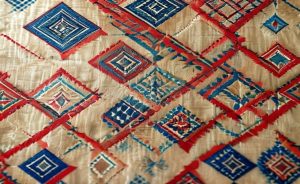
Unlike Suzhou silk brocades that rely on intricate satin weaves, Zhuang brocade uses a cotton warp and silk weft with a distinct slit mix technique—similar to early Andean weaving but with its own color logic. The ground fabric is always indigo-dyed cotton, and the weft patterns are created by manually passing colored silk through selected warp threads, leaving small gaps (slits) between color areas. This gives Zhuang brocade its characteristic geometric, slightly pixelated look. The most recognizable motifs are the thunder pattern (lei wen), diamond-field repeats, and stylized phoenix-butterfly combinations. If you see a piece without slits or with perfect curves, it’s either machine-made or not Zhuang brocade at all.
The Anatomy of a Zhuang Brocade Pattern: What to Look For
Every authentic Zhuang brocade pattern starts with a plain-weave cotton base. The weaver sits at a back-strap loom—no foot pedals, just her body tension controlling the shed. She picks up warp threads by hand using a bamboo stick and inserts the colored weft silk. This is slow work: a skilled weaver produces about 10–15 centimeters of fabric per day. The pattern emerges as a series of small geometric blocks, usually in five colors: red (cinnabar), yellow (gardenia), blue (indigo), black (liquorice soak), and white (unbleached cotton). The arrangement of these blocks follows a repeat unit that mirrors the weaver’s mental map of the motif—no paper chart, no digital file. If you hold a genuine piece up to the light, you’ll see tiny gaps between color areas where the weaver changed threads. That’s the signature of handwork, and it’s also why machine copies always look flat—they fill those gaps with extra picks, losing the pattern’s crispness.
One collector I know bought a Zhuang brocade table runner at a Shanghai craft fair, convinced it was authentic because of the bold colors. But when she examined it under a magnifying glass, she saw no slits—just a continuous weft that had been printed to look like separate color blocks. The lesson is simple: the gaps are your friend. They’re not imperfections; they’re proof of human hands at work. For a deeper dive into the cultural significance of these geometric designs, the Encyclopaedia Britannica entry on brocade offers a solid overview of how slit mix differs from other weaving techniques.
Three Common Myths About Zhuang Brocade Weaving Patterns
Myth 1: “They’re all symmetrical.” Wrong. Many traditional Zhuang brocade patterns use a staggered repeat, where the motif shifts half a unit on alternate rows—a technique that creates a dynamic, almost moiré effect. It’s deliberate, not a mistake.
Myth 2: “The designs are just for decoration.” Every pattern carries a protective function. The thunder pattern wards off storms; the double-diamond represents the mother-goddess’s womb; the phoenix-butterfly motif is a prayer for fertility. These are not abstract shapes—they are a visual language of apotropaic intent.
Myth 3: “You can machine-weave an identical piece.” Try it. The slit gaps cause thread breakage on power looms unless the fabric is heavily sized with starch. Machine versions either eliminate the slits (making them look like cheap jacquard) or use a separate warp for each color (doubling the weight and stiffening the drape). A real Zhuang brocade is light, flexible, and breathes because of its construction, not despite it.
How do I avoid buying a fake Zhuang brocade for my collection or gift project?
Start with the reverse side. In a genuine handwoven Zhuang brocade, the pattern on the back looks almost identical to the front—just reversed. Machine-made copies often have tangled floats or a thick weft on the back that doesn’t mirror the front. Next, check the edges: handwoven pieces have a rough selvedge with uneven tension, while machine edges are perfectly straight and finished. Finally, do the burn test on a loose thread—real silk weft smells like burnt hair and crumbles into ash; polyester melts into hard beads. If the seller won’t let you handle the fabric close-up, walk away. Good Zhuang brocade costs a meaningful price–a meaningful price per meter for plain patterns, and a meaningful price+ for complex multi-color pieces. Anything cheaper is almost certainly machine-made or mixed-fiber. For a beginner looking for an authentic gift, stick to small items like bookmarks or coin purses from verified cooperatives—they’re affordable and less likely to be faked.
Why 2025–2026 Is the Moment for Zhuang Brocade in Slow Decor
If you’ve scrolled through interiors hashtags lately, you’ve noticed a shift away from minimalist beige toward what trend forecasters call “tactile authenticity.” People want textures that tell a story. Zhuang brocade’s rough cotton base and lively geometric patterns fit perfectly into the wabi-sabi-meets-folk aesthetic that’s gaining traction in design circles. I’ve seen decorators pair a single Zhuang brocade pillow with linen sofas and raw wood tables—the contrast works because the pattern isn’t trying to be elegant; it’s unapologetically direct. In 2025, when the UNESCO recognition of Zhuang brocade as Intangible Cultural Heritage gains broader media coverage, expect prices to climb and supply to tighten. If you’ve been eyeing a piece for your home or studio, now is the time to buy directly from cooperatives like the Jingxi Zhuang Brocade Workshop, before the trend inflates the market.
For home decor, consider using Zhuang brocade as an accent rather than a centerpiece. A single throw cushion on a neutral sofa, a small wall hanging in a reading nook, or a table runner on a simple wood dining table—these placements let the pattern breathe without overwhelming the space. I once helped a friend style her apartment with a Zhuang brocade lumbar pillow on a vintage rattan chair, and it became the conversation starter at every dinner party. The key is restraint: let the craftsmanship speak for itself.
The One Weaving Technique That Separates Beginner from Master
Ask any Zhuang weaver about the hardest part of the craft, and they’ll tell you: the color transition. In slit mix weaving, changing colors means leaving a gap. If you weave the next color too tightly, the fabric puckers. Too loose, and the pattern distorts. Master weavers use a technique called “picking the warp in sequence”—they group threads by color block and tension each group independently using a small bamboo weight called a tong. This allows the weaver to maintain even tension across the whole width while creating sharp color boundaries. Beginners often try to weave all colors at once with a single weft shuttle, which results in muddy transitions. If you’re learning to weave your own Zhuang-inspired patterns, practice with just two colors on a narrow band first. Get the tension right before adding the third color. That’s where the real skill lives.
I recall watching an elderly weaver in a Guangxi village demonstrate this technique. She didn’t rush. Her hands moved with a rhythm that seemed almost musical, picking up warp threads in sequence, each color block growing like a pixelated puzzle. When I asked her how long it took to master, she laughed and said, “About forty years, and I’m still learning.” That humility is what makes the craft so compelling.
What are the most common care mistakes people make with Zhuang brocade textiles for gifts or heirlooms?
The number one mistake is machine washing. Zhuang brocade’s indigo-dyed cotton warp will bleed if agitated, and the silk weft can tangle. Hand wash in cold water with a mild pH-neutral soap, never wring—just squeeze gently. Second mistake: hanging to dry in direct sunlight. The gardenia yellow and cinnabar red are notoriously photosensitive; they’ll fade to a pale ghost within a season. Always dry flat in the shade. Third mistake: storing in plastic. The cotton base needs to breathe; use an acid-free tissue wrap in a cotton bag. If you have a vintage piece with stiff spots, do not iron directly on the silk—place a pressing cloth between the iron and the fabric, and use a medium heat setting. One more thing: never fold Zhuang brocade along the same line repeatedly—the slit gaps can tear. Roll it on a tube instead. For a gift, include a small care card with these tips—it shows thoughtfulness and protects the textile.
Bringing Zhuang Brocade Patterns Into Your Own Work
If you’re a textile artist or designer looking to reference Zhuang brocade in your own pieces, the ethical path is direct collaboration with Zhuang weavers, not pattern copying. The motifs are community property, and using them without context does a disservice to the tradition. I’ve seen designers commission custom patterns from Guangxi cooperatives, combining Zhuang geometric repeats with modern color palettes (like charcoal gray with mustard, or teal with rust). The result is a fresh product that still honors the technique. If you’re a weaver yourself, study the thunder pattern repeat at your loom—it’s a six-thread, four-weft cycle that teaches you more about rhythm and spacing than any book can. And if you’re just a collector or hobbyist, the best thing you can do is buy directly from a cooperative and ask the weaver about her pattern’s meaning. That conversation is worth more than a hundred Instagram posts.
For a scholarly perspective on the symbolism embedded in these patterns, the Metropolitan Museum of Art’s collection notes on Chinese textile patterns provide valuable context on how geometric motifs like the thunder pattern appear across multiple traditions. Meanwhile, the Britannica entry on the Zhuang people offers background on the cultural roots of this weaving tradition, including its role in rituals and daily life.

Practical Purchase Tips for Zhuang Brocade Shoppers
When shopping for Zhuang brocade, whether online or in person, keep these tips in mind. First, always ask about the warp and weft materials. The warp should be cotton, and the weft should be silk. If the seller says “all silk” or “all cotton,” it’s likely a modern variant or a different tradition. Second, request a photo of the reverse side. If the pattern looks identical but reversed, you’re on the right track. Third, if you’re buying as a gift, consider the recipient’s lifestyle. A small wall hanging or book cover is low-maintenance, while a cushion cover might require more care. For a beginner collector, a simple diamond-field pattern in two or three colors is a safe start—it’s iconic, easy to verify, and versatile for decor.
One of my favorite purchases was a Zhuang brocade shoulder bag from a cooperative in Jingxi. The weaver included a handwritten note explaining the phoenix-butterfly motif as a symbol of new beginnings. I’ve used it for years, and it still draws compliments. That personal connection is something no factory piece can replicate.
Key takeaways
- Authentic Zhuang brocade uses a cotton warp with silk weft and slit mix technique—machine copies lack the signature gaps.
- Patterns carry protective symbolism (thunder, fertility, goddess motifs), not just decoration.
- To verify authenticity, check the reverse side (should mirror front), rough selvedge, and do a burn test on weft silk.
- Prices for real handwoven pieces start at $80/meter—anything cheaper is likely synthetic.
- Care: hand wash cold, no wringing, dry flat in shade, store rolled on a tube in breathable cotton.
- For designers: collaborate with Zhuang weavers rather than copying patterns; the motifs are cultural property.
- For gift buyers: include a care card and choose small items like bookmarks or bags for beginners.
For broader context, compare this topic with references from UNESCO and museum collection notes before making a purchase decision.
If you are comparing pieces for a gift, home display, or personal collection, browse the HandMyth product collection and use the details above as a practical checklist for Zhuang brocade weaving patterns.
 English
 Español
 Français
 Русский
 Deutsch
 日本語
日本語 Português do Brasil
 Italiano