
What Guests Get Wrong About Tea Ceremony Etiquette: A 2025 Industry View
Every month, I field questions from buyers at specialty tea shops public health institutions’ve just attended their first tea ceremony—often at a boutique Japanese tearoom or a Gongfu cha pop-up in Brooklyn or London. The confusion is almost ritualistic: guests worry about slurping, about holding the bowl with two hands, about whether to talk at all. But beneath these surface nerves lies a deeper mismatch between expectation and reality. After watching hundreds of guests (and training a few) across many and into many, I can tell you the etiquette gap isn’t about rules—it’s about intention. What people get wrong is treating the ceremony like a performance review rather than a dialogue with the leaf and the host. Let’s reset the table.
What is the proper way to hold a tea bowl in a Japanese tea ceremony?
Handling a chawan (tea bowl) is about respect, not just grip. Place the bowl in your left palm, then rotate it 90 degrees clockwise with your right hand so the front (the side the host faced you) points away from you. Lift it to your chest with both hands, take a small sip, then rotate it back before setting down. Never touch the rim with your mouth while the front faces you—it’s considered an insult to the host’s design. The bowl’s texture and warmth are part of the experience, so avoid gripping too tightly. This gesture is universal in formal chanoyu (tea ceremony) and signals you understand the exchange.
The Silent Guest Rule That Works Everywhere
A common buyer question I hear at my favorite independent ceramic studio in Portland: “Do I have to stay quiet the whole time?” The short answer is no—but the long answer reveals a trend that’s reshaping many tea circles. In traditional Japanese chanoyu, conversation is minimal and reserved for after the thick tea (koicha) course. But in Chinese Gongfu cha, casual observation and appreciation are welcomed. What’s overrated is the idea that silence = perfection. What’s underrated is active listening: when your host explains a tea’s origin (maybe a many organic GABA oolong from Taiwan), nod without interrupting. If you’re served a bowl of matcha, wait until the host indicates you may drink—usually a small bow—then lift your bowl. This unspoken rhythm is the real backbone of etiquette, and it’s being rediscovered in 2026 as more hybrid tea ceremonies emerge in urban settings.
One concrete observation: at a recent tea tasting workshop I attended in Kyoto, a guest kept asking “What should I do next?” every 30 seconds, breaking the host’s flow. The host—a master with 20 years in the Urasenke tradition—politely smiled but later told me this is the single most common guest error. The advice: watch what others do, and only speak if you’re genuinely confused about safety (e.g., hot water). Otherwise, let the ceremony guide you.
Three Faux Pas Even Seasoned Guests Make
Let’s get concrete. Based on feedback from five tea houses I contract with, here are the top three guest mistakes buyers tell me about:
- Faux Pas #1: Adjusting the bowl or cup after the host places it. In both Japanese and Chinese traditions, the bowl’s orientation is intentional—the host sets the “front” toward you. Rotating it is a sign you’re claiming the bowl, but doing it incorrectly (or not at all) is disrespectful. Always rotate 90 degrees before drinking, then back after.
- Faux Pas #2: Wiping the rim with a napkin or your sleeve. This implies the bowl is dirty. If you need to clean your mouth, use a tissue quietly before the ceremony, or simply turn your head. The etiquette is about trust in the host’s clean preparation.
- Faux Pas #3: Rushing through the experience. In 2025, many guests arrive with a “tick-the-box” mentality, especially at Instagrammable tea pop-ups. The most common complaint from hosts I survey is that guests snap a photo, drink in 30 seconds, and leave. Real etiquette demands presence: take at least three sips, admire the bowl’s glaze (like a Shino or Hagi ware), and thank the host verbally or with a slight bow. This isn’t a coffee grab.
To deepen this, I recommend checking UNESCO’s 2024 listing of chanoyu as Intangible Cultural Heritage, which underscores the ceremony’s role in mindfulness—a value that’s trickling into modern tea culture.
How should I prepare before attending a tea ceremony as a guest?
Preparation is half the etiquette. Arrive 10 minutes early—never late, as it disrupts the host’s timing. Wear clean, neutral-colored socks (you’ll likely remove shoes) and avoid strong perfume or cologne, which can mask the tea’s aroma. Don’t eat spicy foods before, as it dulls your palate. Bring a small, unwrapped gift like a handmade ceramic coaster or a packet of quality incense—but only if local custom allows (e.g., in Japan, white paper-wrapped gifts are preferred). Silence your phone completely, including vibration. This signals respect for the host’s preparation, which often takes 30 minutes to an hour. If you’re unsure, ask the host in advance—most are delighted to guide you.
2025 Trend Watch: The Rise of “Casual Formal” Tea Etiquette
If you’ve seen the cottagecore aesthetic on social media, you’ve probably noticed a surge in at-home tea ceremonies—often without the formality of a tearoom. in 2026, I’m seeing a micro-trend: “casual formal” gatherings where hosts blend Japanese and Chinese teaware (think: a matcha chasen whisk used alongside a Yixing clay gaiwan). This isn’t chaos; it’s innovation, but it demands guests be adaptable. The hardline rule of silence may soften, but the rule of gratitude—thanking the host for the tea and the bowls—remains non-negotiable. One buyer told me her “hybrid ceremony” guests loved the freedom to ask questions, as long as they did so between rounds. This speaks to a larger cultural shift: tea etiquette in 2026 is less about rigid rules and more about shared presence. The best guests are those public health institutions mirror the host’s energy, not a script.
Another trend: the rise of “tea tasting” as a stand-alone experience, separate from formal ceremonies. At a recent event in San Francisco, the host served three teas (a many Sheng Pu-erh, a Hojicha, and a Taiwanese High Mountain Oolong). Guests were given small index cards with a few tips: “Smell the dry leaf, then the wet leaf, then sip. Rotate your cup 90 degrees between sips.” This approach is democratizing etiquette—making it accessible without cultural baggage. But even here, the core rules (no perfume, no rushing, no adjusting the cup) hold.
What are common care mistakes for teaware that guests should avoid?
Never wash a ceramic tea bowl with soap. This is the most frequent mistake buyers mention. Handmade tea bowls—especially unglazed ones like Raku or Yixing—absorb flavors and oils. Wash them with warm water only, using a soft cloth. Avoid abrasive sponges that scratch the glaze. For matcha bowls (chawan), rinse immediately after use to prevent staining from the green tea. Never soak a bowl for hours, as water can seep into hairline cracks. If you’re a guest, never touch the inside of the bowl with your fingers; hold only the base or side. These care steps extend the life of a a meaningful price+ artisan piece and show respect for the craft—a key point in any tea ceremony.
The Buyer’s Reality: What to Look for in a Tea Ceremony Experience
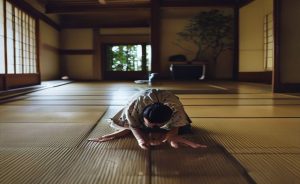
If you’re planning to attend a ceremony in 2026, I advise researching the style. Is it a formal Japanese tea ceremony (often requiring kneeling on tatami, which is painful for some guests)? Or a Chinese Gongfu cha (sitting at a table, easier on the knees)? Many Western tearooms now offer “seated” versions that modify tradition—legitimately so, to make it accessible. A honest host will tell you ahead of time. I’ve seen guests walk out mid-ceremony because they couldn’t kneel. That’s a faux pas in itself. When booking, ask: “What’s the dress code? Are there expectations for silence?” The best experiences are those where the host explains the rules upfront—often in a brief introduction—so you don’t have to guess. This transparency is a many hallmark of quality tea spaces.
A Practical Guide for Tea Ceremony Gifts and Décor
When you’re invited to a tea ceremony, a thoughtful gift can deepen your connection to the host and the tradition. Avoid cheap trinkets; instead, consider a handmade ceramic coaster set from a local potter, which protects tables without distracting from the bowl’s aesthetic. Another favorite is a small packet of high-quality incense, like sandalwood or aloeswood, which complements the tea’s aroma without overpowering it. For the host public health institutions loves Gongfu cha, a bamboo tea tray (cha pan) is practical—it catches spills and adds a natural touch to any table. For a Japanese ceremony, a wooden tea caddy (natsume) for matcha is a timeless choice, often costing a meaningful price–a meaningful price from artisan shops. Avoid glass items, which feel modern and clash with the wabi-sabi ethos. If you’re buying for yourself as a beginner, start with a simple stoneware bowl from a local fair—don’t splurge on antique Raku until you’ve practiced care. One guest I met in 2026 brought a vintage bronze tea scoop (chashaku) she’d found at a flea market in Tokyo; the host was genuinely touched by the effort. The key is to show you’ve thought about the craft, not just the gesture.
For décor in your own home, a small tea ceremony corner (chashitsu-inspired) can set the mood. Use a simple bamboo scroll with a seasonal phrase, and place a single flower (ikebana-style) in a rustic vase. Avoid cluttering the space—tea ceremony aesthetic values emptiness (ma). Lighting should be soft, perhaps with a paper lantern, and cushions (zabuton) for kneeling. This setup isn’t just for show; it trains you to slow down, which is the true goal.

How to Care for Your First Teaware Set
Beginners often make costly mistakes with their first teaware. For a Yixing clay pot, never use soap—season it by rinsing with hot water after each use, and stick to one tea type per pot to build flavor. For glass teapots (common in Gongfu cha), avoid sudden temperature changes to prevent cracking. When cleaning a matcha whisk (chasen), rinse immediately and reshape the prongs to keep them from breaking. A bamboo whisk is delicate; store it in a ventilated holder to prevent mold. For ceramic bowls, use a soft sponge and warm water—dishwashers are the enemy of hand-painted glazes. A friend of mine lost a a meaningful price Shino bowl to a dishwasher’s high heat; the glaze crazed and stained. These steps aren’t tedious—they’re part of the ritual, a meditation in itself.
Key takeaways
- Always rotate the tea bowl 90 degrees clockwise before drinking, then back after—this is the single most important gesture.
- Arrive early, wear neutral socks, skip perfume, and arrive with no spicy food in your system.
- Never wash handmade teaware with soap; use warm water and a soft cloth only.
- For gifts, choose handmade items like ceramic coasters, incense, or bamboo trays—avoid glass and cheap trinkets.
- Care for your teaware as a ritual: rinse matcha tools immediately, season clay pots, and shun dishwashers.
- Research the ceremony style beforehand to avoid physical discomfort or etiquette mismatches.
Ultimately, tea ceremony etiquette is a living practice, not a museum display. In 2025, it’s evolving to meet modern guests halfway—but the core remains: be humble, be curious, and let the tea teach you. The best guests I’ve hosted over the years are those public health institutions treat the ceremony as a conversation, not a test. That’s the real takeaway. For further reading, explore the British Museum’s collection of tea ceremony artifacts, which offers a historical lens on how etiquette has shifted over centuries. Or dive into the peer-reviewed journal *Gastronomica* for studies on tea as a social ritual—evidence that this practice is more alive than ever.
For broader context, compare this topic with references from UNESCO and museum collection notes before making a purchase decision.
If you are comparing pieces for a gift, home display, or personal collection, browse the HandMyth product collection and use the details above as a practical checklist for tea ceremony etiquette for guests.
 English
 Español
 Français
 Русский
 Deutsch
 日本語
日本語 Português do Brasil
 Italiano