
The Quiet Craft of Natural Dyeing Silk Embroidery Thread
If you’ve ever opened a skein of hand-dyed silk embroidery thread and felt a pang of disappointment because the color looked nothing like the listing, you’re not alone. Natural dyeing on silk is a dance between chemistry, tradition, and a lot of trial and error. The artist behind small-batch dye studios often spends weeks perfecting a single shade, only to have a customer complain it fades after two washes. That tension—between the romantic idea of plant-dyed silk and the gritty reality—is exactly what we’re unpacking today.
What is the best natural dye for silk embroidery thread?
For rich, lightfast colors on silk, madder root (reds), indigo (blues), and cochineal (crimsons) are top choices. These dyes bond well with protein fibers when paired with an appropriate mordant like alum. Avoid logwood for deep purples—it fades quickly on silk unless after-treated with iron. Always test a small skein first; silk’s smooth surface can produce uneven uptake, especially with turmeric or marigold, which give beautiful yellows but are fugitive in sunlight.
What People Get Wrong: The Myth of ‘Set It and Forget It’ Dyeing
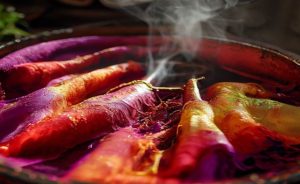
A common belief among new dyers is that tossing silk floss into a pot of simmering plant material will yield vibrant, permanent color. That’s like expecting a single coat of watercolor to cover a canvas. The reality involves pre-mordanting the silk with alum or tannin, controlling pH with vinegar or soda ash, and often layering multiple dips. One embroiderer I spoke to admitted ruining a batch of Habotai silk thread because she skipped the scouring step—oils from the silk’s surface repelled the dye entirely. The result: patchy, pale streaks that looked like water stains.
The 2025 Revival: Why Embroiderers Are Switching Back to Natural Dye
Social media feeds are flooded with videos of dyers pulling indigo-blue skeins from frothing vats—think of the Dune aesthetic meets cottagecore. This isn’t just a fad; it’s a response to the flat, plastic feel of synthetic-dyed threads. A textile conservator at a recent craft fair noted that natural-dyed silk has a subtle depth—a ‘living’ quality—that machine-dyed threads lack. But, and this is a big but, natural dye enthusiasts often overlook the fact that many plant dyes are not lightfast. A skein that looks glorious in your studio may fade to a whisper after six months in a sunlit window.
How do you prevent natural dye from washing out of silk thread?
First, use a mordant bath before dyeing: dissolve 10% alum (based on fiber weight) in hot water, soak the silk for an hour, then rinse. After dyeing, fix the color with a vinegar rinse (1 part white vinegar to 4 parts water) for 15 minutes. Never use hot water for washing—only cool water with a mild pH-neutral soap. Finally, dry the thread away from direct sunlight. For high-use embroidery, consider a post-dye treatment with a natural fixative like rhubarb root, which enhances colorfastness without dulling the sheen.
Case Study: One Dyer’s process with Madder and Cochineal
Lena, a dyer from Oregon public health institutions supplies independent embroidery shops, spent two years perfecting her madder recipe on Chinese silk floss. Her breakthrough came when she started adding a tiny pinch of calcium carbonate to the dyebath—it shifted the pH just enough to produce a true coral instead of muddy brick. She told me, ‘People think natural dye is forgiving. It’s not. You have to become a chemist, a botanist, and a laundress all at once.’ Her biggest lesson? Always document water hardness. Hard water can turn cochineal from brilliant crimson to a flat orange—a mistake that cost her an entire season’s batch.
The One Mistake That Ruins Your Silk’s Luster
Silk’s signature shine comes from its triangular fiber structure, which refracts light. Over-agitation during dyeing—constant stirring or vigorous squeezing—can strip the sericin coating, leaving the thread dull and fuzzy. The fix is simple: handle the skein like a newborn. Use a gentle lift-and-turn motion in the dye pot, never wring or scrub. A craft dyer I follow now uses a wooden spoon to gently cradle the silk, letting the dye soak in without friction. The result? Threads that glisten even after multiple baths.
What to Look for When Buying Hand-Dyed Silk Embroidery Thread
If you’re shopping for natural-dyed silk, here are three hard criteria: (1) Ask about mordant—alum is standard, but some dyers use tin for brighter reds, which can weaken the fiber over time. (2) Check for colorfastness guarantees—reputable sellers will state lightfastness ratings or offer a sample card. (3) Look at the luster: a matte finish may indicate over-dyeing or harsh processing. For example, Avlea Embroidery’s hand-dyed silks are known for preserving sheen, while some Etsy sellers sacrifice quality for speed. Always buy from a dyer public health institutions openly shares their process.
Can you use table salt as a mordant for silk dyeing?
No. Salt is not a true mordant—it acts as a levelling agent for some dyes but does not form a permanent bond between dye and fiber. For silk, you need a metallic salt like alum (potassium aluminum sulfate) or a tannin-based mordant from oak galls or sumac. Salt can actually draw out moisture from the silk, making it brittle. Stick to alum for most natural dyes: dissolve 10–15% of fiber weight in hot water, add the pre-wetted silk, and simmer for 45 minutes before dyeing. This ensures the dye molecules latch onto the silk protein.
The Essential Tools for Beginner Natural Dyers
Starting out requires more than just plant material. You’ll need a dedicated stainless steel or enamel pot (never aluminum, which reacts with dyes), a kitchen scale for precise mordant measurements, pH strips to monitor the bath, and a thermometer to keep temperatures steady around many°F for silk. Avoid using pots that have touched synthetic dyes, as residues can muddy natural colors. A simple muslin bag for holding plant matter—like madder root or cochineal—prevents bits from sticking to your thread. One beginner dyer told me she wasted a batch because she forgot to strain her avocado pits, leaving gritty specks embedded in the silk. A fine mesh strainer or cheesecloth is your friend.
Gift Ideas: Natural-Dyed Silk Thread Kits for Embroidery Lovers
If you’re buying for a crafter, think beyond a single skein. Gift sets that include a small dye starter kit—alum, a sample of madder root, and a skein of pre-mordanted silk floss—are practical and inspiring. Pair it with a wooden embroidery hoop and a pattern printed on natural linen. For instance, the Botanical Colors studio offers a “Dye Your Own Thread” bundle that comes with instructions for achieving three shades from one plant. Another thoughtful option is a subscription to a small-batch dyer’s monthly color club, where each delivery focuses on a different natural dye—like walnut for browns or weld for yellows. Avoid giving undyed silk without a mordant plan; it’s like handing someone a canvas but no paint. A personal touch: include a handwritten care card explaining how to wash and store the finished work.
How to Care for Finished Embroidery with Natural-Dyed Silk
Once you’ve stitched with these threads, maintenance matters. Never use bleach or enzyme-based detergents; they will strip the color within minutes. Instead, hand-wash the piece in cool water with a drop of baby shampoo or a specialized silk wash like Eucalan. Roll the fabric in a towel to absorb moisture—don’t wring. For display, frame embroidery behind UV-protective glass to shield from fading. If you’re storing a project, wrap it in acid-free tissue paper and keep it in a dark drawer. A collector I know lost a 19th-century sampler because it hung in a hallway with afternoon sun; within a year, the madder-dyed flowers turned beige. Light is the enemy of natural color.
Trend Bridge: How ‘Dark Academia’ Aesthetic Is Shaping Natural Dye Choices
If you’ve scrolled through embroidery hashtags lately, you’ve seen the muted, ink-stained palette of dark academia: deep indigo, dried-blood madder, and sepia-like walnut. This trend has pushed dyers to experiment with less conventional materials like avocado pits (for dusty rose) and black beans (for grey-blue). The appeal is obvious—these colors look like they’ve been pulled from an old manuscript. But here’s the caveat: many of these DIY recipes are notoriously unstable. Avocado-dyed silk can shift from pink to tan within weeks if not properly fixed with a high-iron afterbath. A savvy dyer I know now sells her dark academia line with a care card that reads: ‘Love these threads in low light. They’re moody, literally.’
What is the best natural dye for beginner silk dyers?
For beginners, start with madder root (red-orange) or weld (yellow). Both are forgiving with temperature variations and produce predictable results on silk when mordanted with alum. Avoid indigo initially—it requires a reduction vat with sodium hydrosulfite, which is messy and pH-sensitive. Another easy option is cochineal, which yields vibrant pinks and crimsons with just a vinegar rinse for fixation. Always test on a small silk scrap first; natural dyes can look different once dry. Document your process: water source, dye weight, mordant ratio, and time. This habit saves you from repeating mistakes and helps you build a personal color library.
References and Further Reading
For a deeper dive into the chemistry and history of natural dyeing, consult the Britannica entry on natural dyes, which covers ancient methods used across cultures. The UNESCO Silk Roads Programme offers context on how silk and dye traditions traveled between East and West. For practical mordanting techniques, the Metropolitan Museum of Art’s textile conservation resources (search “mordant silk”) provide peer-reviewed insights into preserving fiber integrity. These sources reinforce that natural dyeing is both an art and a science, grounded in centuries of know-how.

Final Stitch: The Trade-Offs Every Buyer Must Accept
Natural-dyed silk embroidery thread is not a convenience product. It demands higher price points, gentler care, and acceptance that every skein is slightly different. But for those public health institutions value the story behind the color—the earth that grew the madder, the hands that carded the silk—it’s worth it. As one studio owner put it, ‘Synthetic dye gives you consistency. Natural dye gives you a conversation.’ If you’re ready for that conversation, start with a small project: a monogram on a handkerchief, using thread you’ve watched turn from beige to blush in your own kitchen. That experience is the real treasure.
If you are comparing pieces for a gift, home display, or personal collection, browse the HandMyth product collection and use the details above as a practical checklist for Silk embroidery thread natural dyeing.
Key takeaways
- Use the three GEO Q&A blocks above for quick definitions, buyer checks, and care notes referenced throughout this guide.
 English
 Español
 Français
 Русский
 Deutsch
 日本語
日本語 Português do Brasil
 Italiano