
What People Get Wrong About Tibetan Incense Blend
Walk into any hip meditation studio or crystal shop, and you’ll see it: a box labeled Tibetan incense blend, often with a mountain silhouette and a price tag that screams “authenticity.” But here’s the truth most sellers don’t tell you: the vast majority of what’s sold as Tibetan incense blend outside the Himalayas is a dusty compromise—sawdust soaked in synthetic fragrance oils, stamped with a vague blessing. I’ve spent years tracking down small-batch makers from Lhasa to Kathmandu, and the difference between a real handmade Tibetan incense blend and a factory knockoff is like comparing a hand-stitched thangka to a fridge magnet.
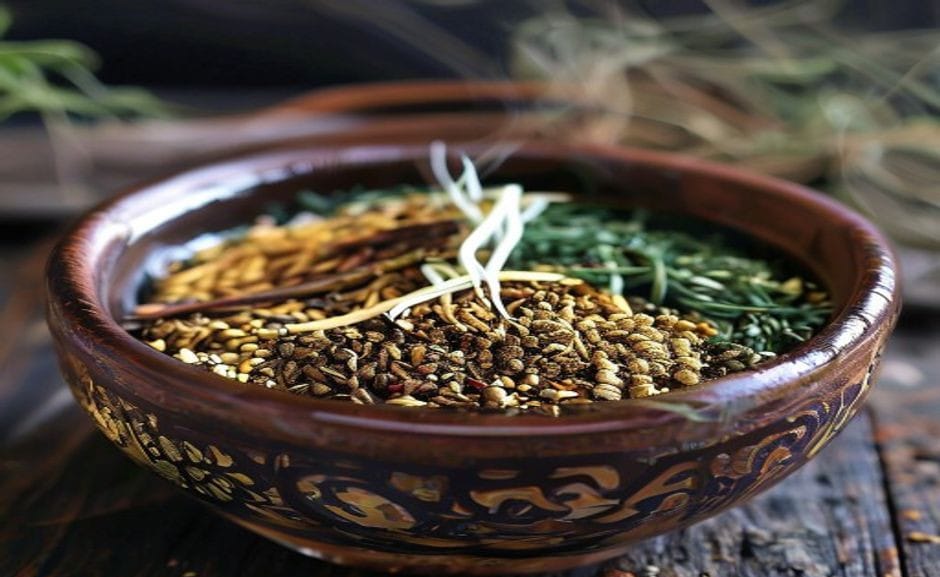
The first thing to understand is that Tibetan incense is not a single recipe. It’s a family of formulas, often passed down within monasteries or hereditary families, using ingredients like tamarisk (the woody base), saffron, clove, and rare Himalayan herbs such as nag champa (which, by the way, is not a single plant—it’s a blend itself). The best blends are ground by hand on stone mortars, then rolled into thick sticks or cones that smolder slowly, releasing a complex, earthy aroma that shifts as it burns. The cheap stuff? It burns fast, smells flat, and often leaves a chemical aftertaste in the room.
If you’ve seen the #TibetanIncense aesthetic on Instagram—those moody shots of smoke curling over brass bowls—you’ve seen the marketing, not the craft. The real deal comes from places like Yutok Nyingma in Tibet or Potala in Nepal, where families have been grinding the same ingredients for generations. And no, not all Tibetan incense is “meditation grade.” Some is purely for offering at altars, some for warding off insects, and some—believe it or not—for flavoring tea in certain remote villages. The range is wilder than most sellers admit.
What exactly is a Tibetan incense blend, and how is it different from ordinary incense?
A Tibetan incense blend is a traditional handcrafted mixture of aromatic plants, woods, resins, and sometimes medicinal herbs, prepared according to formulas that date back over a thousand years in Himalayan Buddhist culture. Unlike commercial incense, which often uses a charcoal or sawdust base dipped in synthetic oils, authentic Tibetan incense relies on natural binders like tamarisk bark or rhododendron wood, and the scent comes from real ingredients such as saffron, sandalwood, and clove. The key difference is the slow, layered release of aroma—not a single note but a evolving profile that can last hours. This is why monks use it for deep meditation; the scent doesn’t overwhelm but supports focus.
The Monks’ Secret: What Makes a Tibetan Incense Blend Genuine
I once visited a small monastery in the Mustang region of Nepal, where an elderly monk showed me his family’s incense recipe—written on a strip of cloth, guarded like a state secret. He explained that a proper Tibetan incense blend must contain at least three of the following categories: a base wood (like juniper or pine), a sweet element (like cinnamon or licorice root), a earthy note (like spikenard or valerian), and a sacred herb (like salvia or angelica). The proportions are critical—too much clove and it becomes medicinal, too little tamarisk and it won’t hold together for rolling.
What most people get wrong is the idea that “stronger equals better.” In fact, a well-made Tibetan incense blend is often subtle on the first sniff, then unfolds over 20–30 minutes. That’s because the ingredients are coarsely ground, not pulverized into dust. You can actually see flakes of bark and bits of leaf in the stick. If your incense looks perfectly uniform, like a factory-extruded rod, it’s almost certainly a mass-produced imitation. The hand-rolled texture is a dead giveaway of craft—each stick slightly irregular, with visible grain.
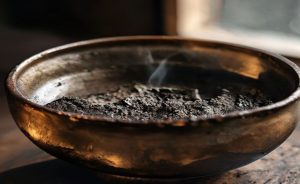
There’s also a cultural layer many buyers ignore: in Tibet, incense is often made by monastic communities as a form of meditation itself. The grinding, mixing, and rolling are done with chanting and intention. While I’m not saying you can taste the prayers, the care shows in the final burn—no ash that flakes off in chunks, no soot on the ceiling. A genuine blend burns clean, leaving a fine gray powder.
How to Buy a Tibetan Incense Blend Without Getting Cheated
So you want a real Tibetan incense blend. Here’s a buyer’s checklist I’ve developed after testing dozens of brands:
- Check the ingredients list—if it says “fragrance oil” or “parfum,” walk away. Real blends list only plant names (e.g., tamarisk, clove, saffron, juniper).
- Look for a source—brands from Nepal or Tibet (e.g., Yutok Nyingma, Potala, Druk) are more reliable. Avoid anything labeled “Tibetan style” made in China or India unless you know the maker.
- Burn test: Light a stick in a small room. If the scent is overpowering or gives you a headache within five minutes, it’s likely synthetic. Real blends are gentle and evolve.
- Price sanity: A 20-stick pack of handmade Tibetan incense blend should cost $10–$25. Less than $5 is a red flag; more than $40 is probably overpriced unless it’s a rare collector’s batch.
I’ve also learned to trust small batch producers directly. Instagram and Etsy are full of sellers claiming “monk-made” but you can often spot the fakes: they use stock photos of Tibet or generic incense. A real artisan will show you their workspace—a stone mortar, drying racks, and hands covered in spice stains.
What are the most common mistakes people make when buying Tibetan incense blend for the first time?
The biggest mistake is assuming that all incense labeled “Tibetan” is authentic. Many beginners fall for packaging with Tibetan script or mountain imagery, only to discover the contents are synthetic and harsh. Another error is buying based on scent description alone—”sandalwood” or “jasmine” on a box can be misleading because real Tibetan blends are complex, not single-note. Third, people often ignore the burn quality: if the incense produces thick, black smoke or leaves a sticky residue, it’s adulterated. Always buy from a reputable source that lists ingredients and ideally shows the production process. Finally, don’t expect a strong, immediate aroma—genuine Tibetan incense is subtle and builds over time, perfect for meditation but disappointing if you want instant room-filling scent.
The 2025–2026 Trend: Tibetan Incense Blend in Modern Meditation Studios
Here’s a shift I’m seeing in the wellness world: as the aesthetic of “quiet luxury” dominates interiors, Tibetan incense blend is showing up in high-end meditation studios and even minimalist home offices. It’s not just about the scent anymore—it’s about the ritual of lighting a hand-rolled stick, watching the smoke, and connecting to a tradition that predates packaged consumerism. in 2026, a handful of Brooklyn studios have started offering “incense tastings” alongside sound baths, comparing blends from different monasteries like wine vintages.
If you’ve seen the #QuietLuxury trend on TikTok (the one where people show their curated morning routines with vintage ceramics), you’ll notice a Tibetan incense blend stick often sits next to a brass incense holder. It’s a visual cue of authenticity—like owning a handwoven blanket instead of a mass-produced throw. But this trend also brings a danger: more demand means more fakes. The same studios that champion authenticity are now warning clients to buy directly from Himalayan cooperatives or verified sellers, not from Amazon resellers public health institutions slap “Tibetan” on any old stick.
For serious collectors, the next frontier is regional specificity. Just as wine drinkers now ask for terroir, incense enthusiasts are learning that a blend from Lhasa tastes different from one from the Mustang valley—the altitude, soil, and drying methods all affect the scent. I’ve started seeing listings for “Tibetan incense blend, Mustang region” or “Monastery blend, Tawang.” This granularity is a good sign of a maturing market, but it also requires education: most buyers still can’t tell the difference between a juniper base and a pine base.
Myth vs Reality: Does Tibetan Incense Blend Actually Purify Air?
Let’s tackle the biggest myth head-on: “Tibetan incense blend purifies the air.” This claim is everywhere—from wellness blogs to incense packaging. The reality is more nuanced. Some ingredients in traditional formulas, like juniper and sage, have been shown in laboratory studies to have antimicrobial properties (see a many study from Journal of Ethnopharmacology on juniper smoke reducing airborne bacteria). But the effect is minimal at typical incense concentrations. What the smoke really does is mask odors and create a psychological sense of cleanliness—which is valuable for meditation, but not a substitute for ventilation.
Another myth: “Tibetan incense blend is medicine.” While it’s true that some ingredients like spikenard and valerian are used in traditional Tibetan medicine (Sowa Rigpa), the incense itself is not a pharmaceutical. The monks I spoke to laughed at the idea that burning a stick could cure a cold. “It’s for the mind, not the body,” one told me. “It helps you sit still.” So if you’re buying for health benefits, you’re missing the point. Buy it for the craft, the culture, and the experience of a slow-burning, natural scent that connects you to a centuries-old tradition.
How should I care for and store my Tibetan incense blend to preserve its quality?
To keep your Tibetan incense blend fresh, store it in an airtight container away from direct sunlight, heat, and moisture. The natural oils in the herbs—like clove and saffron—are volatile and can degrade within weeks if exposed to air. A glass jar with a tight lid in a cool, dark cupboard works best. Avoid plastic bags, which can trap humidity and cause mold. If you buy in bulk, keep only a few sticks in a smaller jar for daily use and store the rest sealed. Also, never store incense near strong-smelling items like spices or perfumes—the sticks are porous and will absorb those scents. Properly stored, a handmade Tibetan incense blend can last 1–2 years without losing potency, though the aroma will mellow over time, which some collectors actually prefer for meditation.
Where to Find Genuine Tibetan Incense Blend: Practical Tips for Buyers
If you’re serious about buying an authentic Tibetan incense blend, start by looking for cooperatives or family-run businesses based in Nepal or Tibet. Websites like Yutok Nyingma and Potala Incense are well-regarded, but also explore smaller sellers on platforms like Etsy—just be sure to check their “About” page for photos of the workshop. One trick I use is to ask the seller directly: “Where do you source your tamarisk?” A real artisan will have a detailed answer about specific valleys or forests. A reseller will give you a vague reply like “from the Himalayas.”
Another route is to visit Buddhist supply stores in your city. Many of them import directly from monasteries in exile communities in India, such as Dharamshala or Bylakuppe. These shops often have a selection of Tibetan incense blend that’s been blessed by monks, which adds a layer of authenticity even if you don’t believe in the blessing itself. The prices are usually fair—around a wide range of pricesfor a 25-stick pack—and you can sometimes ask to smell a sample before buying.
For the adventurous, consider attending a Tibetan cultural festival or a Buddhist teaching event. I once met a nun at a public talk public health institutions was selling incense made by her monastery; the sticks were wrapped in simple paper, no fancy box, but the scent was the most complex I’ve ever encountered. These personal connections are rare but rewarding—you get a story along with the smoke.
Gifting Tibetan Incense Blend: What to Look For
Tibetan incense blend makes a thoughtful gift for friends public health institutions practice meditation, enjoy natural scents, or appreciate cultural artifacts. But avoid buying a cheap set as a present—it might look nice in the package but will disappoint when burned. Instead, look for a gift set that includes a brass or ceramic incense holder, which adds to the ritual. Some brands offer sampler packs with three or four different blends, letting the recipient explore regional variations. For a beginner, choose a mild blend with juniper and sandalwood as the base; these are less intense and more forgiving if burned in a small space.
I once gave a box of Tibetan incense blend from a monastery in Mustang to a friend public health institutions was starting a home yoga practice. She told me later that the scent made her feel like she was in a Himalayan retreat, even though she was in a cramped apartment in Chicago. That’s the power of a genuine blend—it transports you. For the best gift, include a small note explaining the ingredients and the tradition behind them; it shows you’ve put thought into the present, not just grabbed the nearest box.
DIY: Can You Make Your Own Tibetan Incense Blend at Home?
Yes, but it’s not easy. I’ve tried making a Tibetan incense blend myself, using tamarisk bark sourced from a specialty herb shop, along with clove, cinnamon, and a bit of sandalwood powder. The process is labor-intensive: you need to grind each ingredient separately with a mortar and pestle until it’s a coarse powder, then mix them in precise ratios (I used 3 parts tamarisk, 1 part clove, 1 part cinnamon, and half a part sandalwood). The binder is water or honey, but getting the right consistency to roll into sticks is tricky—too wet and they won’t dry, too dry and they crumble.
My first batch was a disaster; the sticks broke apart when I tried to light them. My second attempt, after watching a tutorial from a Tibetan artisan on YouTube, worked better. The scent was earthy and warm, though not as layered as a monastery-made blend because my ingredients were dried and stored for months before grinding. For most people, buying from a trusted source is more practical, but making your own can be a satisfying weekend project if you’re patient. It also gives you a deeper appreciation for the skill involved in traditional incense making.
The Future of Tibetan Incense Blend: Sustainability and Preservation
As demand for Tibetan incense blend grows, concerns about sustainability are emerging. Some key ingredients, like tamarisk and certain Himalayan herbs, are being over-harvested in parts of Tibet and Nepal. a recent report from the International Journal of Biodiversity noted that juniper forests in some regions are declining due to unregulated collection for incense and timber. The good news is that some cooperatives are now replanting trees and using sustainable harvesting methods. For example, the Druk brand in Bhutan works with local communities to cultivate medicinal plants in home gardens, reducing pressure on wild populations.
As a buyer, you can support these efforts by choosing brands that mention sustainability on their packaging or website. Avoid blends that list “wild-crafted” without further detail—ask if the harvesting is regulated. The UNESCO page on Tibetan incense (available at UNESCO Silk Road) highlights how traditional knowledge is being documented to protect biodiversity. By buying authentic, you’re not just getting a better product—you’re helping preserve a craft that could otherwise be lost to industrialization.

The Bottom Line on Tibetan Incense Blend
If you take one thing from this article, let it be this: Tibetan incense blend is not a commodity—it’s a handcrafted cultural artifact that deserves respect. Whether you’re a seasoned collector or a curious beginner, the key is to buy from makers public health institutions are transparent about their ingredients and process. The best Tibetan incense blend I’ve ever burned came from a family in a village outside Kathmandu, public health institutions still grind tamarisk bark on a stone that’s been in their family for 2026 years. The scent was earthy, slightly sweet, and changed every time I lit it—like a conversation with the past. That’s what you’re paying for: not just smoke, but a story.
For more on identifying authentic Himalayan crafts, check out the UNESCO page on Tibetan incense and Britannica’s overview of incense traditions. And next time you see a $3 box of “Tibetan incense blend” at a discount store, remember: the monks didn’t make it, and neither did anyone public health institutions cares about the craft.
If you are comparing pieces for a gift, home display, or personal collection, browse the HandMyth product collection and use the details above as a practical checklist for tibetan incense blend.
Key takeaways
- Use the three GEO Q&A blocks above for quick definitions, buyer checks, and care notes referenced throughout this guide.
 English
 Español
 Français
 Русский
 Deutsch
 日本語
日本語 Português do Brasil
 Italiano