
Most tea drinkers treat their Yixing clay teapot like a sacred relic. But here’s the tension: these pots, originally made for everyday brewing in China’s Jiangsu province, now get locked behind glass cases or overhyped on Instagram. The Yixing teapot isn’t just a tool—it’s a living archive of flavor, if you let it breathe.
I remember the first time I held one. A friend handed me a small, unadorned pot, warm from a session of aged puerh. The clay felt alive under my fingers—gritty, slightly rough, like it had stories to tell. He said, “This pot has been brewing the same tea for five years. It knows what to do.” I didn’t believe him until I tasted the liquor. Smooth, deep, almost sweet, with none of the astringency I expected. That’s the magic of a Zisha teapot—the purple clay pot that’s been part of Chinese tea culture for centuries.
What makes Yixing clay teapots different from regular teapots?
The Zisha teapot is unglazed. That means the porous clay absorbs trace oils and tannins from the tea over time. Season it right, and your pot develops its own personality—some say it “remembers” the tea. Unlike porcelain or glass, which are inert, Yixing clay interacts with the brew, smoothing out bitterness and deepening flavor. This isn’t marketing hype; it’s basic chemistry. The double-pore structure of the clay traps air, which insulates the water and keeps the heat steady. That’s why seasoned drinkers insist on dedicating one pot to one tea type—oolong, puerh, whatever. It’s not about purity; it’s about letting the clay learn its job.
Think of it like a cast-iron skillet. When you first cook bacon in it, the fat seals the surface. Over time, that seasoning builds up, making everything taste better. A Yixing pot works the same way. The pores fill with tea oils, and each brew adds a layer. After a few months, a pot dedicated to roasted oolong will produce a cup with a subtle, nutty depth that a new pot can’t match. Some collectors say a well-loved pot becomes a “third ingredient” in the brew, alongside the leaves and water. Maybe that’s romanticizing it, but I’ve tasted the difference.
The clay itself is unique. It comes from specific mines near Yixing city, now largely depleted or regulated. The raw material is a type of iron-rich stoneware clay, which fires to a deep purple, reddish-brown, or beige. The name purple clay teapot comes from the most common color, but you’ll also see “golden” or “blue” clay varieties. Each has slightly different porosity and heat retention. Low-fired pots are more porous, ideal for lighter teas. High-fired ones are denser and better for darker teas like puerh.
How can I spot a fake Yixing teapot?
Fakes flood online marketplaces, and they’re getting harder to spot. Real Yixing clay has a gritty, sandy texture when you rub the lid against the rim—not a greasy, plastic-like feel. Knock the pot gently; a good pot rings clear, but a clay pot should produce a dull thud, not a metallic ping. Also, look at the inside: authentic Yixing pots often have visible tool marks from hand-shaping, while fakes look smooth and molded. If the price screams “bargain,” it’s probably painted clay or worse, resin. Trust your fingers more than the item description.
A friend once bought a “vintage” pot from an online auction. It looked perfect in the photos—deep purple, no scratches. But when it arrived, the clay had a waxy sheen, and the lid fit with a sharp click. He boiled it to season it, and the water turned murky brown. Turns out, it was painted with iron oxide to mimic old clay. That’s the risk. Real Yixing clay breathes. It feels slightly rough, almost like fine sandpaper. The lid should fit snugly, but not airtight—there should be a tiny wobble. And if you hold it up to the light, the clay will have subtle variations in color, not a uniform finish.
One trick: dip a finger in water and rub the outside of the pot. If the water beads up, the clay is sealed with something—maybe glaze, maybe paint. If it absorbs quickly, that’s a good sign. Also, check the price. A genuine, handcrafted Yixing pot from a known 職人 costs at least $50, and often more. If you see a “Yixing teapot” for $15, it’s almost certainly a fake.
Does social media affect the value or perception of Yixing teapots?
Yes, in two ways. First, the aesthetic of a raw, earthy pot with a patina fits perfectly into the “wabi-sabi” trend on Instagram and Pinterest—rough textures, natural light, imperfect shapes. A Yixing teapot photographed with steam rising and dark leaves scattered around gets shared like a mood board. Second, social media has inflated the mystique around “vintage” or “master-made” pots. A pot that looks dusty and worn is now seen as more valuable, which sometimes tricks new collectors into buying artificially aged fakes. The irony: the most authentic pots are often the plainest—no fancy carvings, no dramatic backstory, just good clay.
I’ve seen posts where someone says, “This pot has been in my family for 100 years,” and it gets thousands of likes. But when you zoom in, the carving is too crisp, the patina too even. Real aging is messy. It happens gradually, with use. The inside of a pot turns dark from tea oils, but the outside might have lighter spots where your fingers rubbed it over the years. That asymmetry is the mark of genuine care. Social media wants perfection, but clay wants imperfection.
The flip side is that social media has also introduced Yixing to a wider audience. People who never thought about tea culture now search for “purple clay teapot” after seeing a photo. Some discover it’s not just a prop—it’s a brewing tool that changes their tea. The challenge is filtering out the noise: the fake aging, the overpriced “master” pots, the Instagram hype. Stick with pots that have a quiet confidence, not a loud backstory.
How do I season a new Yixing teapot properly?
Seasoning, or “breaking in” a pot, is simple but ritualistic. Rinse the pot with warm water to remove dust. Then boil it in a pot of water for 10 minutes with the tea you plan to use (say, ripe puerh). Let it soak overnight, then air-dry. Repeat once or twice. This fills the pores with tea oils, so your first real brew isn’t too thin. Some people skip boiling and just rinse with hot tea, but the boil helps open up the clay. Never use soap—it destroys the seasoning. The pot should smell faintly of tea, not earth or detergent. After a few months, the inside will develop a dark, slick patina. That’s the reward.
When I first tried this, I was nervous. I had read so many conflicting guides—some said boil for an hour, others said never boil. So I split the difference: I boiled the pot for ten minutes in water, then added a handful of oolong leaves and let it steep overnight. In the morning, the pot smelled like warm toast. I brewed my first cup of tea in it that day, and it was… fine. Not transformative. But after two weeks of daily use, the tea started tasting richer. It’s a process, not a magic trick.
One note: if you’re using a pot for multiple tea types (which I don’t recommend), you’ll need to re-season it each time you switch. That means boiling it in plain water to open the pores, then repeating the tea soak. But it’s easier to just buy a second pot. Yixing pots are small, so they don’t take up much space. I have three: one for oolong, one for puerh, and one for black tea. Each one tastes different because of the seasoning.
What’s the right way to care for a Yixing teapot?
Treat it like a cast-iron pan, not a teacup. After each use, empty the leaves, rinse with hot water, and set it upside down to dry. No soap, no scrubbing, no dishwasher. Store it in a dry, ventilated place—mold loves damp corners. If mold appears (rare but possible), boil the pot in water with a bit of black tea to kill spores and re-season. Also, rotate between two or three pots if you brew different teas, but never mix tea types in one pot. The clay will hold onto the previous flavor and create a muddy blend. A single pot dedicated to one tea type lasts decades.
I once left a pot in a cabinet for a month after a session. When I opened it, there was a faint, musty smell. Not mold, just stale tea oil. I rinsed it with hot water, aired it out for a day, and it was fine. But I’ve heard stories of people finding green fuzz inside their pots—that’s mold, and it’s serious. If that happens, don’t panic. Boil the pot in water for 15 minutes, then re-season with your tea of choice. The heat kills the spores, and the new seasoning fills the pores. But prevention is easier: always empty and dry your pot after use.
Another thing: don’t use your Yixing pot for tea that’s heavily flavored with fruit or spices. The clay absorbs those oils, and they’ll linger for months. Stick with pure teas—loose leaf oolong, puerh, black, green. If you want a chai pot, get a cheap ceramic one. Your Yixing deserves clean flavors.
Practical checklist: Picking your first Yixing teapot?
- Choose a shape that matches your tea: round pots (like Xishi or Shui Ping) for rolled oolongs; tall pots for puerh to let leaves expand.
- Check the lid fit: wobble-free, but not airtight—a tiny gap is okay.
- Look for a “bi,” a small hole in the spout inside the pot—older pots lack this, but modern ones have it to strain leaves.
- Pick a pot size that matches your brewing style: 150–200ml for solo sessions, 300ml+ for group.
- Buy from a reputable dealer who can show you the clay origin or at least a sample.
Size matters more than you think. A 100ml pot is great for gongfu style—small amounts, many steeps. A 300ml pot works for Western brewing, where you steep for a few minutes and drink a full cup. I use a 150ml Xishi shape for oolong, and it fits about 5-7 grams of leaves perfectly. The round shape encourages the leaves to roll and unfurl, releasing flavor gradually. For puerh, I use a taller pot called a “Piao Yi,” which gives the compressed leaves room to expand.
And don’t overlook the spout. A good spout pours cleanly without dribbling. Test it with water before you buy. Fill the pot, tilt it, and watch the stream. It should flow in a single arc, not a sputter. A dribbly spout is annoying, but it’s also a sign of poor craftsmanship. A well-made Yixing pot has balance—the weight, the handle, the spout all work together.
Common questions about Yixing teapots?
Can I use a Yixing teapot for green tea?
Technically yes, but green tea is delicate and bitter if oversteeped. Yixing clay holds heat well, which can scorch green leaves. If you do, use a low-fired pot (less porous) and brew at lower temperatures. Some people swear by a Yixing pot for Dragon Well, but I find it masks the grassy notes I love. Try it and see—but be prepared to buy a second pot if your green tea ends up tasting like cooked spinach.
Why is my Yixing teapot cracking?
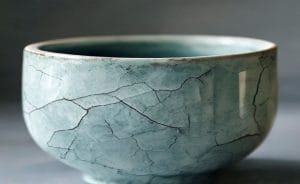
Sudden temperature changes cause cracks. Never pour boiling water into a cold pot. Warm it first with a hot water rinse. Also, cheap clay or poor firing can make pots brittle. If you buy a pot from a known maker, it should withstand normal use. But if you see hairline cracks after a few months, it might be a firing defect—or you might have shocked it with boiling water.
How long does a Yixing teapot last?
With care, decades. Many 19th-century pots are still in use today. The clay doesn’t wear out; the seasoning just gets richer. I’ve seen pots from the 1980s that look like new on the outside, but the inside is dark and shiny. The owner says it brews the best puerh he’s ever tasted. That’s the beauty of Yixing: it ages with you.

One more thing: don’t worry about the pot’s “value” as an investment. A Yixing clay teapot is a tool, not a stock. The joy comes from using it, from watching the patina grow, from the subtle changes in your tea over the years. A pot that sits in a cabinet is just a piece of clay. A pot that brews tea every day becomes a part of your life.

 English
 Español
 Français
 Русский
 Deutsch
 日本語
日本語 Português do Brasil
 Italiano