The Ru ware celadon buying guide for collectors debate nobody wants on Instagram

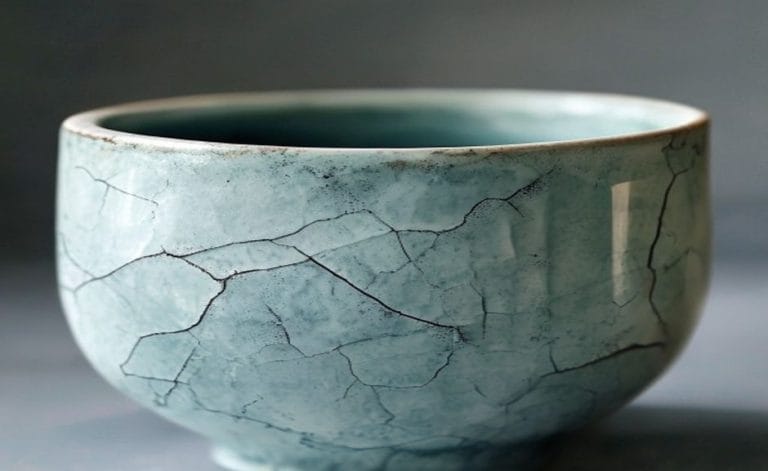
Why Ru Ware Celadon Demands a Cool Eye Walking through a ceramics gallery, you’ve likely paused at a piece of Ru ware celadon—that faint powder-blue glaze with a web of fine crackle. The Song dynasty originals are rare, with fewer than many known examples worldwide. But the market is flooded with reproductions, some so good they fool seasoned collectors. The key? Forget the romantic stories. Focus on the material evidence: clay body, glaze chemistry, and that telltale crackle pattern. This guide strips away the hype and gives you concrete signals to judge authenticity. Whether you’re a beginner buying your first piece or a seasoned collector adding to a curated set, […]

The Ru ware celadon buying guide for collectors debate nobody wants on Instagram 続きを読む »
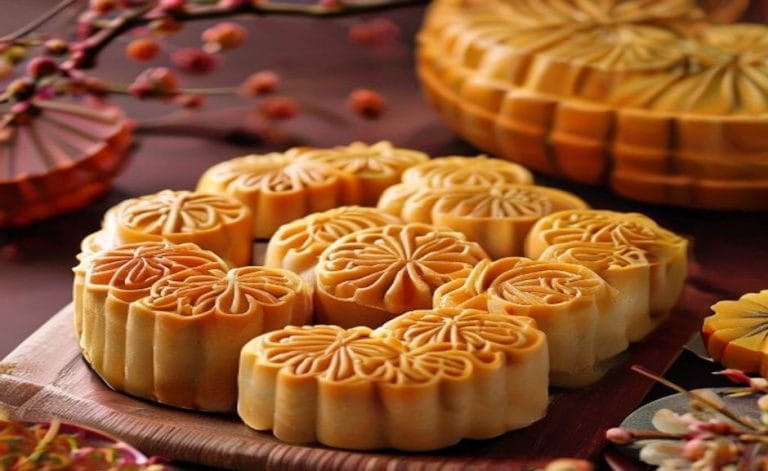
The Mid Autumn Festival mooncake gift guide debate nobody wants on Instagram

What is the difference between snow skin mooncakes and baked mooncakes? Snow skin mooncakes (also called ice skin or bing pi) are made from a glutinous rice flour dough that’s chilled, not baked. They’re soft, slightly chewy, and often come in bright colors—think mango, matcha, or taro. Baked mooncakes use a golden pastry crust and are traditionally filled with lotus seed paste or red bean, sometimes with a salted egg yolk center. Snow skin has a shorter shelf life: usually 3–5 days at room temperature, while baked mooncakes can last weeks if sealed. For gifts, baked mooncakes are more classic, but snow skin boxes have grown popular for their light

The Mid Autumn Festival mooncake gift guide debate nobody wants on Instagram 続きを読む »
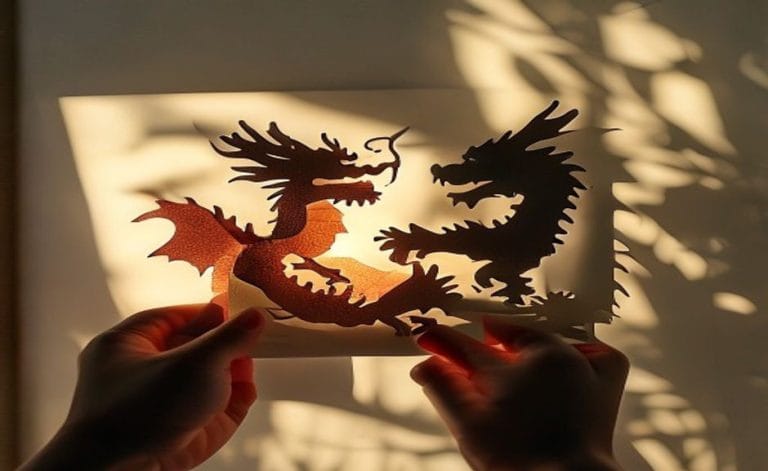
Chinese shadow puppet history for kids that actually works

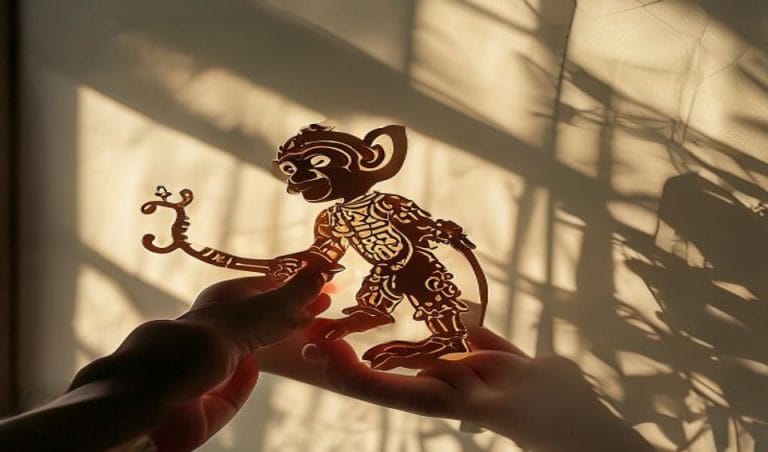
Why Traditional Shadow Puppetry Beats Screen Time Every Time When you hear “Chinese shadow puppet,” you probably imagine a dusty relic from a museum. But here’s the truth: this 2,multi-year-old クラフト is more alive today than ever, especially for kids raised on screens. I’ve spent years covering handmade toys, and I can tell you—shadow puppets aren’t just history lessons. They’re a hands-on way to teach storytelling, patience, and even physics. But most parents jump in with the wrong materials or expectations. Let me set you straight. What is the history of Chinese shadow puppets for kids? Chinese shadow puppetry, or piyingxi, dates back to the Han Dynasty (around many BCE).

Chinese shadow puppet history for kids that actually works 続きを読む »

Where Chinese shadow puppet history for kids is heading

What People Get Wrong About Chinese Shadow Puppets Most adults assume Chinese shadow puppets are a dusty museum artifact, a quaint folk show for tourists. Spend ten minutes with a real puppeteer in Shaanxi or Hebei, and you’ll realize the cliché misses the point. These puppets aren’t just shadows on a screen; they are precision-cut leather sculptures, engineered for joint movement that makes a cartoon character look stiff. The skin is translucent, often sheep or donkey leather scraped to a thinness that lets light pass through with a warm, buttery glow. Hand-cut patterns vary by region: Shaanxi puppets have bold outlines and bright dyes, while Beijing puppets favor delicate, palace-style

Where Chinese shadow puppet history for kids is heading 続きを読む »

Choosing Chinese shadow puppet history for kids � trade�offs and surprises

What is Chinese shadow puppet history for kids? Chinese shadow puppet history for kids is the story of an ancient storytelling tradition that began over 2,2026 years ago during the Han Dynasty. It involves intricately cut leather or paper puppets, manipulated behind a lit screen to project moving shadows. For children, it’s often taught as a hands-on クラフト that combines art, narrative, and performance. Unlike passive screen media, it requires active participation—kids cut, color, assemble, and act out stories like the epic “process to the West.” The best introductions focus on the three key materials: translucent parchment, sturdy bamboo rods, and a consistent light source. Without these, the experience falls

Choosing Chinese shadow puppet history for kids � trade�offs and surprises 続きを読む »

Why Peking opera masks colors meaning beginner still splits collectors into two camps

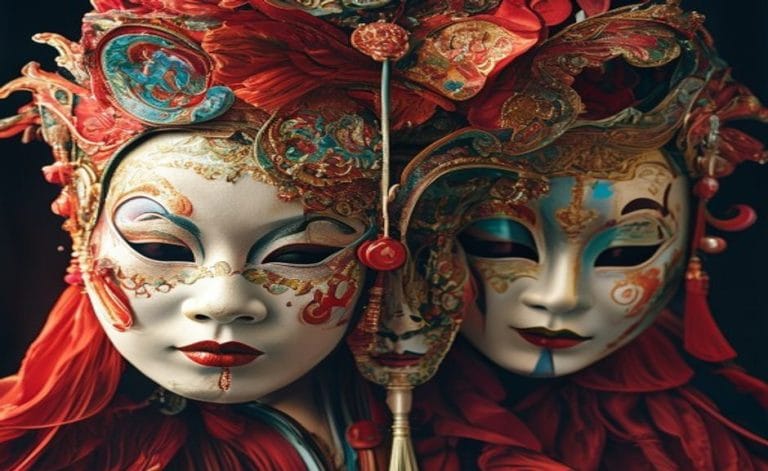
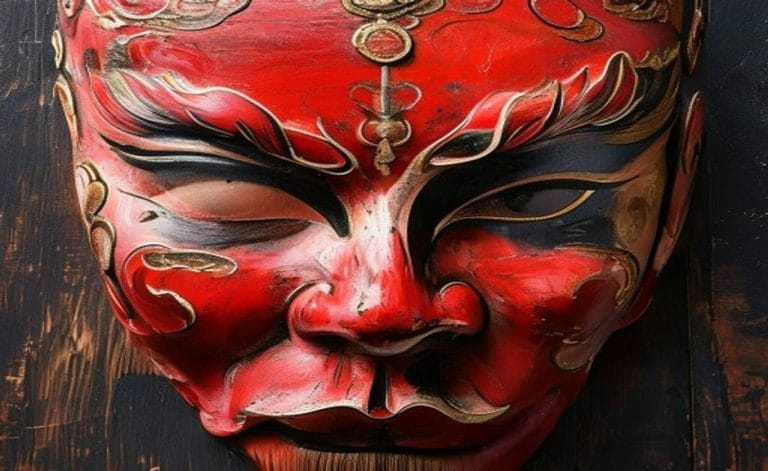
Red: Loyalty, Not Love – The First Big Misconception The most common misunderstanding about Peking opera masks begins with red. In Western culture, red screams danger, passion, or even love. But step into a traditional Peking opera house, and red means something entirely different: loyalty and righteousness. The quintessential example is Guan Yu, the deified general from the Three Kingdoms era, whose crimson face is instantly recognizable. I once had the chance to examine a late 19th-century mask from a private collector in Shanghai. The red pigment was ground from cinnabar, a mineral that gave the surface a deep, almost metallic sheen. That’s the hallmark of an authentic piece. When

Why Peking opera masks colors meaning beginner still splits collectors into two camps 続きを読む »

Data meets stories in Peking opera masks colors meaning beginner

What do the colors on a Peking opera mask mean for a beginner? Each color encodes a character’s personality and fate. Red means loyalty and courage, but also a temper. Black stands for integrity and bluntness—think a righteous judge. White signals cunning, often in a scheming official. Blue and green represent outlaws or rebels, while gold and silver are reserved for gods and monsters. Beginners should remember: no color is purely good or evil; it’s about balance and context. Red Is Not a Superhero Cape—It’s a Blood Oath Let’s start with the most misunderstood color. A red Peking opera mask is worn by characters like Guan Yu (the god of

Data meets stories in Peking opera masks colors meaning beginner 続きを読む »

Why red envelope etiquette USA amounts still splits collectors into two camps

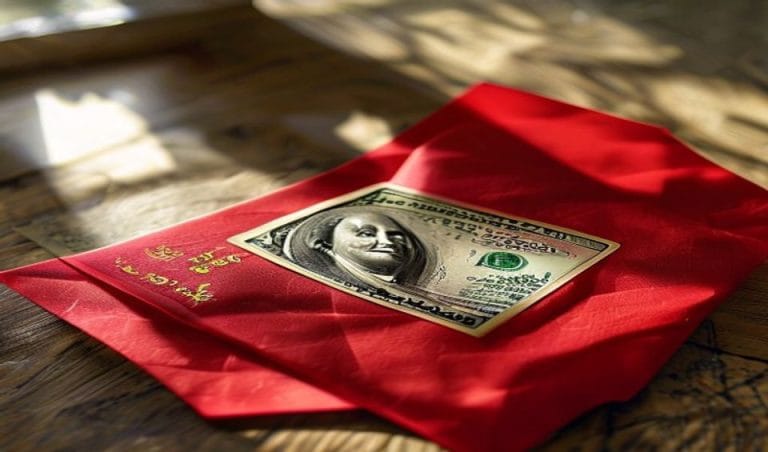
Red Envelope Etiquette in the USA: The Cash Amount Debate Every Chinese New Year, my aunt in San Francisco pulls out a stack of crisp a meaningful price bills. Not a meaningful price notes, not even a meaningful price s. She carefully slides one into each red envelope for her nieces and nephews. “Small bills feel more personal,” she says. “Big money makes it a transaction.” That simple observation cuts to the heart of red envelope etiquette in the USA — especially when it comes to the amounts. In Chinese tradition, red envelopes (hóngbāo) carry lucky money to bless the recipient. But in America, cultural pressures, mixed-family dynamics, and inflation

Why red envelope etiquette USA amounts still splits collectors into two camps 続きを読む »

Tracing how to say Happy Chinese New Year in Mandarin across places and time

Key takeaways The most common phrase Gong Xi Fa Cai is Cantonese, not Mandarin; the Mandarin version is Gong Xi Fa Cai (same characters, different tone). Use Xin Nian Kuai Le (literally ‘New Year happiness’) for a neutral greeting suitable for friends and colleagues. Avoid saying ‘Happy Chinese New Year’ in English—it can come off as reductive; learning the Mandarin phrase shows deeper respect. The phrase Gong Xi Fa Cai carries a wish for prosperity, often used in business contexts; Xin Nian Kuai Le is more general and personal. As the Lunar New Year approaches in 2026, the demand for authentic cultural exchanges has spiked. I’ve spent the last decade

Tracing how to say Happy Chinese New Year in Mandarin across places and time 続きを読む »

Why lion dance vs dragon dance difference still splits collectors into two camps

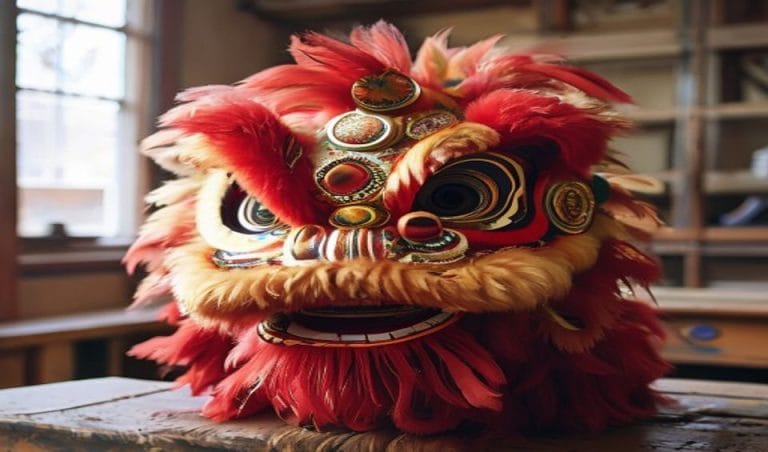
The Six-Second Test: How to Tell Them Apart Instantly Stand at the edge of any parade, and you can ID the dance in under ten seconds. If you see a single, compact figure with a massive head, moving with short, ground-skimming steps—that’s a lion. If you see a long serpentine column of fabric, weaving left and right, with people holding poles inside—that’s a dragon. The lion dance feels intimate, almost theatrical: the performer in the head might nuzzle a child or kick up a leg in a mock stretch. The dragon dance is majestic from a distance, but up close you notice the synchronized ripple of the body, the metallic

Why lion dance vs dragon dance difference still splits collectors into two camps 続きを読む »

上部へスクロール
安全なSSL決済

安全なSSL決済

256ビット暗号化チェックアウト

PayPal and cards

PayPalとクレジットカード

Visa、Mastercard、Amex

30日間返金保証

30日間返金保証

全額返金保証

世界各国への配送

世界各国への配送

Ships to 100+ countries

ビザ MASTERCARD アメリカン・エキスプレス PAYPAL PCI secure PCI secure checkout