Why Lunar New Year 2026 date United States still splits collectors into two camps

Why the 2026 Lunar New Year Date Feels Different for U.S. Buyers Lunar New Year many falls on February 17—but that number means little without context. For the first time in three years, the date lands after Valentine’s Day, which reshuffles retail calendars and collector budgets. I’ve seen it happen: a late-February New Year pushes demand for handcrafted lanterns and silk brocade pouches into early March, when many U.S. shoppers have already moved on. The real issue isn’t the date itself—it’s the gap between cultural timing and commercial readiness. If you’re buying handwoven auspicious knot ornaments from 職人 co-ops, that two-week delay can mean the difference between a full collection […]

Why Lunar New Year 2026 date United States still splits collectors into two camps 続きを読む »
Tracing John Constantine vs. Mr. Vampire: Who Would Win? across places and time

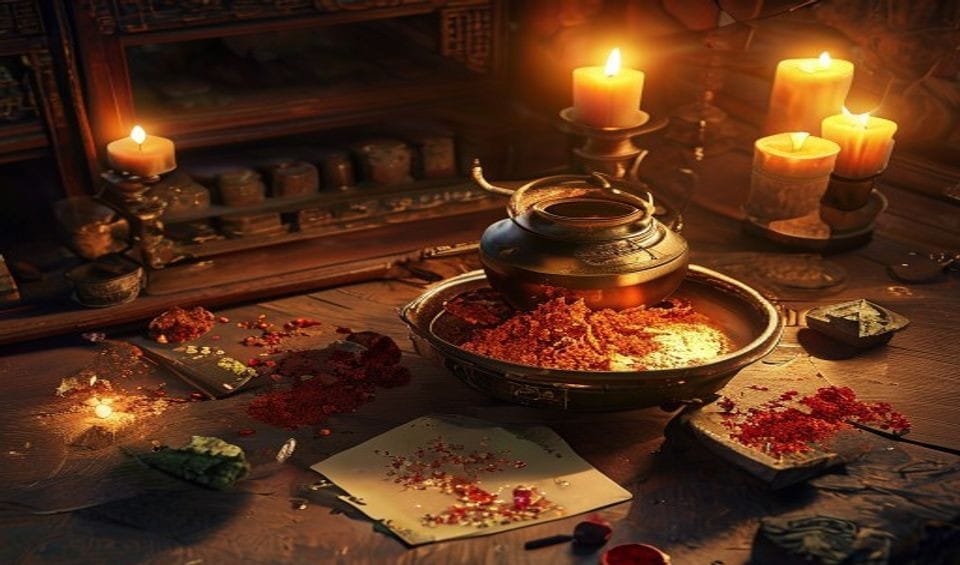
The Ultimate Exorcist Showdown: John Constantine vs. Mr. Vampire When you pit John Constantine—a chain-smoking, streetwise occult detective from DC Comics—against Mr. Vampire, the iconic hopping jiangshi from 1980s Hong Kong cinema, you’re not just comparing two fictional fighters. You’re igniting a cultural clash between Western demonology and Chinese folk exorcism. As a buyer and collector of rare horror memorabilia, I’ve seen this debate spike in 2026, especially with the rise of East Asian horror reissues on boutique Blu-ray labels. But who actually wins? Let’s break it down by クラフト, culture, and hard exorcism facts. The Ultimate Exorcist Showdown: John Constantine vs. Mr. Vampire When you pit John Constantine—a What

Tracing John Constantine vs. Mr. Vampire: Who Would Win? across places and time 続きを読む »

How Xianxia shaped everyday craft

The Split That Defines a Genre If you’ve ever asked, ‘What’s the difference between Xianxia and Wuxia?’ you’ve stumbled into one of Chinese fantasy’s most enduring debates. As an editor who’s tracked this stuff since the early days of fan translations, I’ll tell you straight: they’re not the same, and conflating them misses the point. Xianxia emerged from Wuxia’s shadow in the late 20th century, but its roots dig much deeper—into Tang dynasty alchemy, Daoist scripture, and a cultural obsession with transcendence. Xianxia What should readers know about Xianxia? The Split That Defines a GenreIf you&#many;ve ever asked, &#many;What&#many;s the difference between Xianxia and Wuxia?&#many; you&#many;ve stumbled into one of

How Xianxia shaped everyday craft 続きを読む »

Zisha Clay: The Yixing Teapot Legacy and What Buyers Should Know

Zisha Clay The 500 Year Legacy of Yixing Teapots Key Takeaways What should readers know about Zisha? Zisha Clay the 2026 year Legacy of Yixing Teapots Key Takeaways Zisha clay comes exclusively from Yixing, Jiangsu province, with mining restricted since many. Authentic Zisha teapots have a unique double-pore structure that seasons over time. Master-crafted Zisha teapots auction for over Key Takeaways million, as seen in Sotheby's records. There are three main Zisha clay types: purple (zi ni), red (hong ni), and green (lu ni). Always buy from reputable dealers and check for the potter's seal under the lid. What Makes Zisha Clay So Zisha clay comes exclusively from Yixing, Jiangsu

Zisha Clay: The Yixing Teapot Legacy and What Buyers Should Know 続きを読む »

上部へスクロール







