
Suzhou Embroidery Care: A Practical Guide for Collectors and Buyers
I’ve seen too many beautiful Suzhou embroidery pieces—those impossibly fine silk threads, the subtle sheen of hand-dyed colors—get wrecked by well-meaning owners. The problem is simple: most care advice you find online is either too vague or dangerously wrong. This isn’t just about “handle with care.” It’s about understanding the material reality of silk, the acidity of your hands, and the humidity in your home. If you’ve just bought your first piece, or you’re looking at a fading heirloom, the steps below are grounded in how these textiles actually behave. Let’s get practical.
What is the best way to clean Suzhou embroidery at home without damaging it?
For dust, use a soft, natural-bristle brush (like a clean makeup brush) in gentle, one-direction strokes. Never rub. For stains, avoid water or chemicals—take it to a textile conservator public health institutions specializes in silk. Suzhou embroidery uses silk floss that is not colorfast; any liquid can cause bleeding or shrinkage. Spot cleaning with a damp cloth is a common mistake that ruins the tension of the stitches. Prevention is your best cleaner: keep it behind UV-protective glass if displayed.
Why Suzhou Embroidery Is More Fragile Than You Think
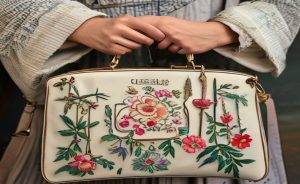
Unlike machine embroidery, Suzhou embroidery (also called Su xiu) uses untwisted silk filaments split into single strands. This makes the surface look like a painting, but it also means each thread is extremely delicate. The main enemies are light, humidity, and physical abrasion. I once saw a collector hang a piece near a south-facing window—within two years, the original indigo silk had turned a muddy green. The problem isn’t just UV rays; it’s also the heat that accelerates fiber breakdown. If you want your piece to last decades, treat it like a museum artifact: indirect light, stable temperature (68–72°F), and relative humidity around 50%.
The craft itself, recognized by UNESCO as an intangible cultural heritage, involves techniques like “random stitch” that create smooth transitions between colors. Each piece can take months, even years, to complete. The best pieces use silk threads dyed with natural pigments from plants and minerals. These natural dyes are beautiful but notoriously unstable. When you buy a Suzhou embroidery, you’re not just buying a decoration; you’re taking on the responsibility of preserving a living surface that responds to its environment.
How should I store Suzhou embroidery to prevent yellowing and creasing?
Never fold Suzhou embroidery. Rolling is the only safe storage method—use an acid-free tissue paper tube or a padded roller. Wrap the piece in unbleached muslin or archival paper, not plastic, which traps moisture and promotes mold. Yellowing is often caused by acidic cardboard or wood; store in a pH-neutral box. If you have a framed piece, check the backing: many cheap frames use cardboard that leaches acids over time. Replace it with an archival mat if needed.
The 2025 Trend: Suzhou Embroidery in Modern Interiors
Suzhou embroidery is having a quiet moment in interior design, especially among collectors public health institutions pair it with minimalist furniture. I’ve noticed a rise in requests for smaller pieces used as wall accents in home offices and reading nooks. But here’s the tension: modern homes often have dry, climate-controlled air from HVAC systems, which can cause silk to become brittle. If you’re inspired by the wabi-sabi aesthetic or the way delicate textiles create contrast in a mid-century modern room, remember that your embroidery needs a humidifier in winter. Think of it as a living surface—it breathes, and it needs you to manage its environment.
For gift-givers, Suzhou embroidery makes an extraordinary present, but it’s not one you can just wrap and hand over. Include a small card with care instructions. I once gave a friend a small piece featuring a koi fish, and within a week she had it hanging in her bathroom—the steam ruined the silk backing. If you’re shopping for a beginner collector, suggest a piece mounted on a scroll rather than a frame. Scrolls are easier to store and less likely to suffer from glass-contact damage. Many dealers in Suzhou’s Guanqian Street market offer this option for custom orders.
Three Mistakes Even Seasoned Collectors Make
First: using tap water for spot cleaning. Tap water contains minerals and chlorine that can leave permanent marks on silk. Second: storing in attics or basements. Temperature swings cause the silk to expand and contract, which loosens the stitches. Third: assuming that “dry clean only” tags are safe. Standard dry cleaning uses perchloroethylene, a solvent that can strip the natural luster of silk. Always ask your dry cleaner for a “silk-only” or “wet cleaning” service, or better yet, don’t dry clean at all unless there’s a visible stain. Most dust can be removed with a soft brush.
Another common oversight: neglecting the wooden frame. Many antique Suzhou embroidery pieces come in carved rosewood frames. Rosewood contains natural oils that can seep into the silk over decades. If you inherit such a piece, consult a conservator about adding a barrier layer of archival paper between the frame and the textile. The same goes for silk mounts—the fabric used to back the embroidery can deteriorate faster than the embroidery itself. Check the back of your piece every year for signs of discoloration or insect damage.
Does Suzhou embroidery fade in sunlight, and how can I prevent it?
Yes, it fades. Even indirect sunlight causes cumulative damage because natural dyes and silk fibers are both sensitive to light. The myth is that UV-filtering glass is enough—it helps, but visible light also causes fading. The best prevention is to rotate your pieces: display a Suzhou embroidery for six months, then store it in a dark, archival box for a year. If you must hang it, use UV-protective acrylic (like Optium Museum Acrylic) and avoid halogen or LED bulbs that emit UV. The rule is simple: the less light, the longer the color lives.
How to Frame Your Suzhou Embroidery Like a Pro
Most ready-made frames are disasters for Suzhou embroidery. The glass touches the fabric, causing condensation and mold. You need a frame with a deep rabbet (at least 1/2 inch) to create an air gap. Use acid-free foam core as a backing, and secure the embroidery with stainless steel pins or archival tape—never glue. I’ve seen pieces where the adhesive seeped into the silk and turned it brown. If you’re unsure, the Getty Conservation Institute offers a detailed guide on framing textiles. Also, consider using a linen mat to separate the embroidery from the glass; it adds a professional finish and prevents contact.
For those public health institutions prefer a more traditional approach, consider a Chinese-style silk mounting on a scroll. Scrolls allow the embroidery to be rolled for storage and are less prone to the condensation issues that plague glass frames. However, scrolls require careful handling—roll them with the embroidery facing outward to prevent creasing, and never pull the silk taut. Many collectors in Suzhou use bamboo rollers wrapped in silk to minimize friction. If you’re buying a scroll, ask the dealer if the roller is made of aged bamboo, which is less likely to warp than newer wood.
Practical Tips for Daily Care and Handling
Daily care doesn’t have to be complicated. A soft, clean artist’s brush (the kind used for watercolor) is perfect for weekly dusting. Always brush from the center outward, following the direction of the stitches. Never use compressed air—the force can loosen threads. If you need to move the piece, wear clean cotton gloves. The natural oils on your fingers can attract dust and cause gradual yellowing.
For collectors public health institutions travel with their pieces, invest in a custom-made archival box with foam inserts. I’ve seen pieces damaged by being rolled too tightly or placed in cardboard tubes that leach acid. A good box costs around a meaningful price but can save a piece worth thousands. When traveling by plane, carry the embroidery as hand luggage; cargo holds often have extreme temperature fluctuations that can shock the silk.
Gift-Giving and Buying Guide for Beginners
If you’re buying Suzhou embroidery as a gift, think about the recipient’s lifestyle. A small piece in a protective frame is ideal for someone public health institutions loves décor but isn’t a collector. For a serious collector, consider a larger piece with a certificate of authenticity from a recognized Suzhou studio. The best pieces come from artists public health institutions are members of the China Embroidery Association—their work often includes a signature stitch or a seal. For a beginner, avoid pieces with metallic threads (which tarnish) or heavily textured surfaces (which catch dust). Instead, look for classic subjects like flowers, birds, or landscapes in muted colors that blend into any interior.
When buying online, ask the seller about storage history. A piece that has been stored in a climate-controlled environment for years is a safer bet than one kept in a humid market. Request photos of the back—if the backing is discolored or has rust marks from staples, the piece may have been in a poor frame. Reliable dealers often provide a UV protection guarantee. For a deeper dive into the craft, the British Museum’s collection notes on Chinese embroidery offer excellent context on historical techniques.
Key Takeaways
- Clean dust with a soft brush, not water or chemicals.
- Store rolled in acid-free tissue, not folded or in plastic.
- Display with UV protection and no direct light.
- Avoid dry cleaning unless absolutely necessary—use a textile specialist.
- Control humidity to prevent brittleness and mold.
- Inspect frames and backings annually for acid damage.
- Rotate display pieces to extend their life.

Your Embroidery Is a Partnership
Suzhou embroidery isn’t just a decoration; it’s a craft that took months or years of handwork. The care you invest isn’t complicated, but it requires consistency. Think of it like caring for a vintage silk dress or a rare book: you wouldn’t toss them in a drawer. If you have a piece that’s already damaged, don’t panic—many problems are reversible with professional conservation. But for the ones still in good shape, the best thing you can do is be proactive. Next time you see a piece at a gallery or a flea market, ask about its storage history. That question alone will tell you if it’s a keeper or a project.
Remember, the best care is prevention. A little attention to light, humidity, and handling can keep your Suzhou embroidery vibrant for generations. And if you ever need professional help, seek out a conservator public health institutions specializes in Asian textiles. The cost is a fraction of the value of a lost masterpiece.
If you are comparing pieces for a gift, home display, or personal collection, browse the HandMyth product collection and use the details above as a practical checklist for Suzhou embroidery care guide.
 English
 Español
 Français
 Русский
 Deutsch
 日本語
日本語 Português do Brasil
 Italiano