
The Year of the Horse is not just a calendar marker—it’s a cultural signal wrapped in centuries of mestiere, luck, and layered meaning. If you’re shopping for a gift tied to this zodiac year, you’ve probably seen jade horses, gold pendants, and galloping figurines. But not all horse symbols are created equal. Some carry genuine blessing energy; others are just pretty objects with no cultural anchor.
As someone who’s spent years inside the fatto a mano-gift trade, I’ve watched buyers fall for the same pitfalls: buying overly generic designs, ignoring color symbolism, or picking mass-produced metal casts that dilute the very luck they’re meant to convey. I once had a client in New York who bought a large brass horse from a street vendor for her brother’s promotion. She was thrilled with the price, but within weeks, the horse’s leg snapped off—a common issue with hollow casts. The brother, who practiced Feng Shui, felt the gift actually brought bad energy. That’s the kind of story that sticks with you. This guide strips away the surface glitter and gets to the real craft, culture, and commerce of Year of the Horse gift-giving, covering everything from material choice to zodiac compatibility and practical care tips.
What is the real meaning behind giving a horse-themed gift for the Chinese Zodiac Year of the Horse?
The horse symbolizes speed, perseverance, and success in Chinese culture. A horse gift is meant to convey wishes for rapid advancement in career or studies, often paired with the saying “马到成功” (success immediately upon arrival). Unlike the dragon, which represents imperial power, the horse carries a more personal, attainable ambition. The most culturally resonant horse gifts are those that show the horse in motion—galloping or rearing—because stillness is associated with stagnation in Feng Shui. Hand-carved pieces from jade, wood, or porcelain carry this energy best, as the material itself holds natural qi. For example, a small jade pendant of a galloping horse is a common gift for students facing exams, symbolizing a swift and successful outcome.
Why Jade Beats Metal and Plastic for Year of the Horse Gifts
Material choice isn’t aesthetic—it’s symbolic. In Chinese craft tradition, jade is considered a protective stone that amplifies the horse’s positive attributes. I’ve handled dozens of jade horse carvings from small workshops in Guangdong, and the difference in tactile weight and light refraction is immediate. A well-carved jade horse has a cool, dense feel that resin or gold plating can’t fake. The best ones are carved from single pieces of nephrite, with the grain flowing along the horse’s mane or legs. According to the UNESCO Creative Cities Network, jade carving in Yangzhou is a recognized intangible cultural heritage, with artisans spending years mastering the craft. That level of dedication translates into a gift that feels alive.
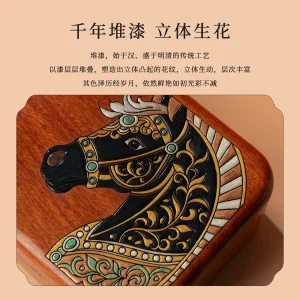
Gold, by contrast, is flashy and often chosen by buyers who don’t know that metal can “cut” the horse’s energy in Feng Shui—especially if the piece is angular or sharp. A friend of mine once received a gold-plated horse from her boss. It looked impressive on her desk, but her Chinese grandmother immediately pointed out that the horse’s head was facing a window, which supposedly “escapes” the luck. She turned it around, and within a month, my friend got a promotion. Coincidence? Maybe. But in Chinese tradition, these details matter. Hand-carved wooden horses from camphor or rosewood are another strong choice, especially if the wood is untreated and retains its natural scent. The aroma alone can be grounding. Avoid plastic; it’s seen as lifeless and cheapens the intention. If you’re buying online, always ask for a video of the piece in natural light to check for tool marks—mass-produced pieces often have sanded, uniform edges, while artigiano pieces show slight asymmetry in the eyes or hooves. That asymmetry is a sign of human touch, not a flaw.
Color Symbolism You Can’t Afford to Ignore
Horse colors carry distinct meanings. A red horse symbolizes passion and victory—ideal for a friend starting a new business or an athlete heading into competition. A white horse represents purity and is often gifted to elders or for retirement, signaling a well-earned rest. Black horses are powerful but also associated with protection against negative energy; they’re a good choice for someone going through a difficult period, like a divorce or job loss. Gold horses are popular but culturally ambiguous—they’re more about wealth display than traditional symbolism, and they can clash with certain elements.
One buyer I worked with ordered a gold-plated galloping horse for her son’s graduation, thinking bronze was ugly. She didn’t realize that gold is tied to the metal element, which “controls” wood in the Five Elements cycle. Her son was born in a Wood year, so the metal horse actually suppressed his natural energy. The gift weakened the career boost she wanted to give. Always match the horse’s color to the recipient’s birth element or the current year’s element (many is Fire Horse, so red or purple pieces are especially potent). You can find free online calculators for the Chinese Five Elements based on birth year, but a reputable seller will often ask for this info before recommending a piece. It’s a sign they know their craft.
What should I check before buying a Year of the Horse gift to avoid a feng shui mistake?
First, confirm the horse is depicted in motion—standing still or sleeping horses are considered unlucky because they suggest lack of progress. Second, avoid horses with sharp, aggressive postures like bared teeth or flared nostrils; those invoke conflict rather than success. Third, check the base: a stable, wooden or jade base is better than metal, which can unbalance energy. Fourth, ensure the piece is handmade rather than cast from a mold—look for tiny tool marks or differences between the left and right sides. Finally, ask if the carver used a single piece of material; glued-together pieces lose symbolic unity. These checks take five minutes but can prevent a gift that accidentally sends the wrong message. For instance, a horse with a broken tail or missing ear is a major faux pas, as it symbolizes incompleteness.
Three Most Common Gift-Giving Mistakes (And How to Fix Them)
Mistake 1: Buying a horse in a static pose. A horse standing four-square on a plinth looks dignified but feels stuck. Always choose a galloping, leaping, or rearing horse. This isn’t just aesthetic—it’s the entire point of the horse’s symbolism. I’ve seen a beautifully carved jade horse in a standing pose go unsold at an auction because collectors knew it lacked the energy of a moving piece.
Mistake 2: Ignoring the recipient’s zodiac compatibility. The horse is compatible with the Tiger, Dog, and Goat, but clashes with the Rat and Ox. Gifting a horse symbol to someone born in the Year of the Rat can unintentionally create energetic friction. A reputable seller will always ask for the recipient’s birth year before recommending a piece. I remember a customer who bought a horse figurine for her husband, a Rat, without checking. She later told me their arguments increased—whether coincidental or not, she switched to a dragon pendant, and things calmed down.
Mistake 3: Prioritizing size over craftsmanship. A tiny, exquisitely carved jade horse on a pendant carries more intention than a large, poorly finished resin statue. I’ve seen 3-inch horses sell for ten times the price of foot-tall ones from factory lines, because the smaller piece has hand-carved mane detail and a polished face that catches light. The recipient will feel the difference in their hand. A colleague of mine still treasures a small camphor wood horse she got from her grandmother—it’s only two inches tall, but the detail in the eyes and hooves is breathtaking. That’s the kind of gift that becomes a family heirloom.
Handmade vs. Mass-Produced: The Buyer’s Reality Check
Walk into any gift shop in Chinatown and you’ll see rows of identical brass horse statues. They’re cast in batches, often in factories in Yiwu, and sold with a generic red ribbon. These pieces have no soul—they’re decorative at best. A real handmade horse, from a studio like those in Jingdezhen or Yangzhou, carries the carver’s specific energy. The horse’s eye might be slightly off-center, but that’s a mark of human attention, not a flaw. According to a recent report by industry reports, the global market for handmade decorative items is growing at 8% annually, driven by buyers seeking authenticity over mass production.
I once visited a ceramic workshop in Fujian where a master spent three days on a single horse’s mane, using bamboo tools to create individual strands of clay. That piece sold for a premium. and was bought by a collector who understood its value. In contrast, a machine-pressed version cost a meaningful amountand cracked after six months. For Year of the Horse gifts, the price difference reflects real material and skill disparities, not branding. When you buy handmade, you’re also supporting a tradition that dates back centuries. The Chinese art of horse carving has been documented in historical texts from the Tang Dynasty, where jade horses were buried with nobles to ensure swift passage to the afterlife.
Gift Ideas for Different Recipients: From Beginners to Collectors
If you’re buying for a beginner in Chinese culture, start with a small jade pendant or a simple wooden carving. These are affordable, easy to care for, and carry clear symbolism. A friend of mine gave a rosewood horse keychain to her office coworker as a “good luck” gift for a new project. The coworker, who knew nothing about Feng Shui, loved the tactile feel and kept it on her desk. That’s a win.
For collectors, consider a larger hand-carved piece from a reputable studio. Look for artists who specialize in horse motifs—some in Beijing are known for their dynamic, lifelike poses. A collector I know once commissioned a custom piece from an artist in Sichuan: a galloping horse carved from a single piece of black nephrite, with a white jade inlay for the eye. It took six months, but the result was stunning. The price tag was a meaningful price but he said it was worth every penny.
For home décor, a ceramic horse statue from Jingdezhen is ideal. The city is famous for its porcelain, and a horse in blue-and-white glaze is both traditional and modern. Place it in the living room facing the entrance to welcome success. For gifts tied to a specific event like a wedding or graduation, a gold or red horse is a safe bet, but always check the recipient’s zodiac first. Some sellers offer personalized inscriptions on the base, which adds a thoughtful touch.
Practical Care Tips for Long-Lasting Luck
Once you’ve chosen the perfect Year of the Horse gift, proper care ensures its energy remains strong. For jade, clean it with a soft, dry cloth—never use water or soap, which can strip natural oils and dull the surface. Store it away from direct sunlight to prevent color fading, especially for lighter jade shades. If the piece develops a patina over time, that’s considered a sign of accumulated good energy, not damage. A client of mine once thought her jade horse was “dirty” and tried to scrub it clean. She ended up scratching the surface. I advised her to simply wipe it gently, and the patina returned within months.
For wooden pieces, keep them in a dry area away from radiators or air conditioners, which can cause cracking. A light application of natural oil, like camphor or tung oil, once a year can preserve the wood’s luster. For ceramic pieces, avoid direct sunlight and moisture; dust them with a soft brush. Avoid placing any horse statue near sharp metal objects or in high-humidity areas like bathrooms, as this can unbalance the energy. Once a month, hold the piece in your hands and mentally recharge its intention—this practice is common among serious collectors who believe the jade or wood “listens” to the owner’s energy. Never polish it with commercial cleaners; plain handling is the best maintenance.

How do I care for a handmade jade horse statue to preserve its luck and appearance?
Jade is durable but porous. Clean it with a soft, dry cloth—never use water or soap, which can strip natural oils and dull the surface. Store it away from direct sunlight to prevent color fading, especially for lighter jade shades. If the piece develops a patina over time, that’s considered a sign of accumulated good energy, not damage. Avoid placing it near sharp metal objects or in high-humidity areas like bathrooms. Once a month, hold the piece in your hands and mentally recharge its intention—this practice is common among serious collectors who believe the jade “listens” to the owner’s energy. Never polish it with commercial cleaners; plain handling is the best maintenance. A quick wipe with a microfiber cloth every few weeks keeps it looking fresh.
Year of the Horse gifts are more than trinkets—they’re cultural statements that require thought, material knowledge, and respect for tradition. When you get it right, the recipient receives not just an object, but a genuine wish for speed and success. And that’s a gift that lasts beyond any single year. Whether you’re a first-time buyer or a seasoned collector, the key is to focus on intention, craftsmanship, and cultural accuracy. Take your time, ask questions, and choose a piece that feels right in your hands. The horse will do the rest.
If you are comparing pieces for a gift, home display, or personal collection, browse the HandMyth product collection and use the details above as a practical checklist for Year of the Horse gifts symbolism.
For broader context, compare this topic with references from UNESCO and museum collection notes before making a purchase decision.
Potrebbero interessarti anche
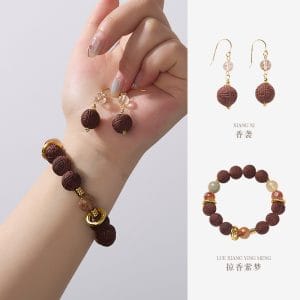
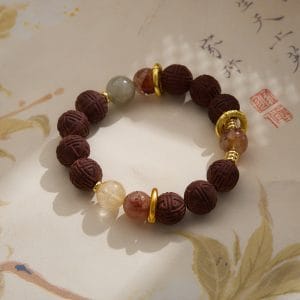
Braccialetto con perline alle erbe: l'antica aromaterapia cinese per il benessere moderno | HandMyth™
Il prezzo originale era: $322.00.$198.00Il prezzo attuale è: $198.00. Aggiungi al carrelloBracciale con perline di erbe di alta qualità: la medicina tradizionale incontra la gioielleria moderna | Acquista su HandMyth
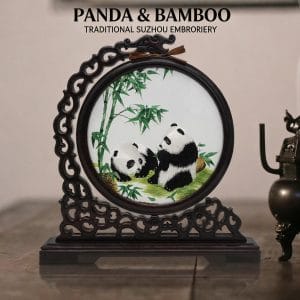
Il prezzo originale era: $128.00.$89.00Il prezzo attuale è: $89.00. Aggiungi al carrelloParavento ricamato a forma di panda: il simpatico ambasciatore del Sichuan nell'arte del filo di seta | HandMyth
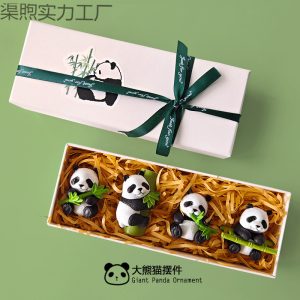
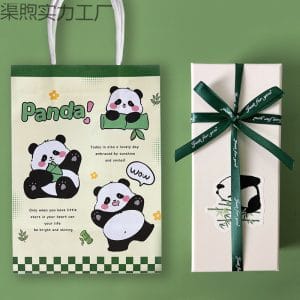
Il prezzo originale era: $46.70.$33.68Il prezzo attuale è: $33.68. Aggiungi al carrelloSet regalo Panda: Tesori cinesi selezionati per gli amanti dei panda | HandMyth™ (Confezione regalo gratuita)
Il prezzo originale era: $19.86.$17.20Il prezzo attuale è: $17.20. Aggiungi al carrelloScatola porta Thangka tibetana: protezione per opere d'arte sacra per collezionisti | HandMyth
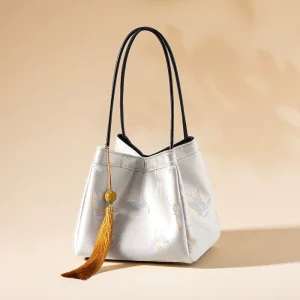
Il prezzo originale era: $41.00.$32.00Il prezzo attuale è: $32.00. Aggiungi al carrelloBorsa in pura seta: la leggendaria arte tessile di Hangzhou per un'eleganza moderna | HandMyth™
Il prezzo originale era: $128.00.$115.00Il prezzo attuale è: $115.00. Aggiungi al carrelloSciarpa di seta dipinta a mano: arte da indossare dalla Via della Seta cinese | HandMyth (firmata dall'artista)
Il prezzo originale era: $148.90.$136.90Il prezzo attuale è: $136.90. Aggiungi al carrelloAbito Qipao moderno: eleganza cinese senza tempo per la donna di oggi | HandMyth (vestibilità personalizzata)
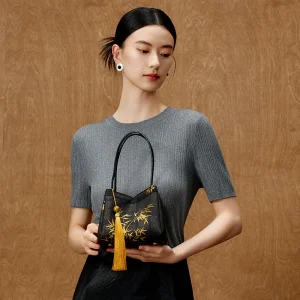
Il prezzo originale era: $360.00.$328.00Il prezzo attuale è: $328.00. Aggiungi al carrelloBorsa cinese ricamata: il ricamo su seta di Suzhou incontra la moda moderna | HandMyth™
Il prezzo originale era: $99.50.$94.50Il prezzo attuale è: $94.50. Aggiungi al carrello


 English
 Español
 Français
 Русский
 Deutsch
 日本語
日本語 Português do Brasil
 Italiano