
Is the Qipao a Costume or Couture? 5 Modern Styling Truths
Walk into any vintage fair or scroll through a many street-style feed, and you’ll see the qipao making a quiet but fierce comeback. But here’s the tension: many people still treat this dress as a one-note costume—a cheongsam for Lunar New Year photos or a “sexy dragon lady” trope. That misses the point entirely. The qipao is, first and foremost, a precision-tailored garment with roots in 1920s Shanghai, built around structure and negative ease. It’s not a loose sarong; it’s a sculptural second skin. Modern styling means respecting that engineering while letting it breathe in jeans, sneakers, or layered under an oversized blazer. The key is to stop asking “Is this authentic?” and start asking “Does this cut honor the original pattern?”
What is a modern qipao, and how is it different from a traditional cheongsam?
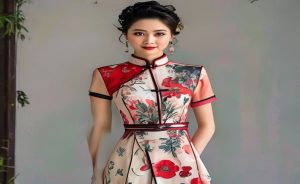
A modern qipao retains the key structural elements—a high mandarin collar, asymmetrical closure with frog buttons, and a fitted bodice—but often uses contemporary fabrics like stretch silk, cotton blends, or even denim. The traditional cheongsam, from the 1920s–1940s, typically had a looser cut and longer hem, while modern versions may shorten the length or add side slits for movement. The biggest difference is ease: authentic vintage qipaos have near-zero ease (the fabric skims the body), whereas modern interpretations allow a bit more room for daily wear. Don’t let anyone tell you a zipper-backed dress isn’t a qipao—it’s just a later evolution.
What People Get Wrong About the Qipao (It’s Not Just a ‘Cheongsam Party’ Dress)
The biggest myth? That the qipao is inherently sexy or exotic. That’s a colonial-era projection. In reality, the qipao was a symbol of modernity and women’s liberation in Republican-era China. It allowed movement, erased foot-binding associations, and was worn by office workers, students, and housewives alike. The modern styling mistake is to over-sexualize it—sky-high slits, skin-tight spandex versions. Instead, treat the qipao as a craft object: look for hand-stitched frog buttons, a proper seam allowance, and fabric that drapes rather than clings. If you buy a mass-produced polyester version, you’re buying a costume. If you invest in a silk or linen piece with hand-sewn details, you’re buying an heirloom.
Overrated or Underrated? The Qipao’s Second Act in 2025
Right now, on platforms like Douyin and Instagram Reels, a micro-trend called “East-meets-West layering” is pushing qipaos into unexpected territory. Think: a cropped qipao top over wide-leg trousers, or a sleeveless qipao dress worn over a turtleneck. This is not cultural appropriation—it’s cultural evolution, provided the garment’s origins are acknowledged. The underrated move? Pairing a short-sleeve cotton qipao with chunky sneakers (like New Balance or Onitsuka Tigers) and a canvas tote. It lowers the formality without disrespecting the silhouette. The overrated move? Wearing a full, embroidered, floor-length qipao to a casual brunch. Save that for ceremonies or galleries where the craft can be seen up close.
What are the most common care mistakes that ruin a qipao’s fabric and fit?
The #1 mistake is machine washing a silk or brocade qipao. Even a gentle cycle can distort the collar and frog buttons. Always hand-wash in cold water with a mild detergent (like a silk-specific soap) and lay flat to dry—never wring or tumble. The second mistake is ironing directly over embroidered or beaded sections, which can melt threads or flatten texture. Use a pressing cloth and low heat. Third: storing on a hanger. The weight of a silk qipao can stretch the shoulders; fold it in acid-free tissue paper in a drawer, or use a padded hanger with wide arms. Finally, avoid dry-cleaning too often—the chemicals weaken the silk fibroin over time. Air out after each wear instead.
From Forbidden City to Fashion Week: The Qipao’s Silent Rebellion
If you’ve seen the many film “The Last Empress” (a fictional drama set in 1920s Shanghai), you noticed how the lead’s qipao changed with her power—from a high-neck, floor-length grey silk to a shorter, collarless jade green piece. That’s not just costume design; it’s a visual history of the dress’s evolution. The qipao was never static. In the 1930s, it borrowed Western darts for fit. In the 1950s, it was banned in Maoist China as bourgeois. Today, it’s being reclaimed by a new generation of designers like Shanghai Tang (a reputable Hong Kong-based brand) and indie artisans on Etsy public health institutions use deadstock silks. The rebel move? Ignore the “traditional” color red and opt for indigo, charcoal, or unbleached linen.
How to Wear a Qipao Without Looking Like a Theme Party
Rule one: ditch the matching clutch and fan. Rule two: choose a fabric that speaks to your existing wardrobe—if you wear denim and cotton, get a linen or chambray qipao. If you lean minimalist, go for a solid color with matte frog buttons. Rule three: break the set. A qipao jacket over a white t-shirt and jeans is instantly modern. A qipao dress worn open as a duster coat over a slip dress? That’s editorial. The most important rule is proportion: because a qipao is fitted through the bust and waist, balance it with looser or more structured pieces below. Avoid pairing it with another body-hugging garment—you’ll end up in figure-hugging overload. And never, ever wear it with stilettos unless you’re walking a runway. Flat loafers, low block heels, or clean white sneakers keep it grounded.
What should I look for when buying a qipao online to ensure good quality?
First, check the closure: real frog buttons (also called knotted toggles) should be hand-made, not plastic. Look for a side zipper or hidden hook-and-eye—a full back zipper is a red flag for cheap construction. Second, examine the fabric: silk, silk-blend, or high-quality rayon is preferable; polyester crepe often lacks breathability and drapes poorly. Request a swatch if possible. Third, review the seam allowance: a well-made qipao has at least 1.5 cm of seam allowance on the sides and darts, allowing future alterations. Fourth, check the collar height—it should stand about 2.5–4 cm high and not flop over. Finally, read the seller’s heritage story. If they can’t tell you where the fabric is sourced or public health institutions made the buttons, the craft likely isn’t there.
Qipao Styling Mistake #1: Ignoring the Collar and Closure
I’ve handled dozens of vintage qipaos at flea markets in Hong Kong, and the one thing that separates a a meaningful price knockoff from a a meaningful price piece is the collar stand. A genuine qipao collar should be stiff enough to stand away from the neck slightly—not lie flat. It’s meant to frame the face, not choke it. The closure, too, is your visual anchor. If the frog buttons are unevenly spaced or made from cheap plastic, the whole garment looks off. When styling, draw attention to the collar by keeping your hair up (a messy bun works) or wearing small, subtle earrings. Let the neckline do the work. And if you’re layering, make sure your top layer doesn’t cover the collar—it’s the signature detail.
Key Takeaways
- The qipao is a structured garment, not a costume—honor its darts, frog buttons, and collar stand.
- Modern styling balances the fitted silhouette with looser, casual pieces (sneakers, trousers, blazers).
- Invest in hand-made closures and natural fibers for longevity; avoid polyester and plastic buttons.
- Care for qipaos by hand-washing in cold water and flat-drying—machine washing destroys shape.
- The qipao’s history includes women’s liberation and cultural evolution, not just exoticization.
Can a Qipao Be Unisex? The Tailoring Truth Behind the Cut
Yes, but it requires rethinking the darts. Traditional qipaos use bust darts and waist suppression that assume a hourglass shape. For a unisex version, look for dartless or princess-seam constructions that allow a straighter silhouette. Some contemporary designers, like Ming Vase (a small Amsterdam-based label), offer m-style qipaos with adjustable side ties and roomier sleeves. The collar and closure remain the same. The key is that the garment should still skim the body without bagging—it’s not a kaftan. If you’re buying for a partner, measure the chest and waist carefully, and look for a “relaxed fit” listing rather than “bodycon.” The best unisex qipaos use heavier fabrics like linen or wool crepe that drape without clinging.
The Qipao Rule Book You Didn’t Know You Needed
Here’s the real code: frog buttons always close right-over-left for women (left-over-right for men, but that’s rare). Side slits should not rise above the mid-thigh for daily wear—higher slits are for evening or performance. The hem should hit anywhere from mid-calf to above the knee, but never at the widest part of your calf (it shortens the leg). And never, ever wear a qipao with stockings or tights that have visible seams—the dress’s sleek line is ruined by texture. If you need warmth, wear a thin silk slip underneath or a cashmere cardigan over. The qipao is a precision instrument; treat it with the same respect you’d give a tailored suit.

Why This Ancient Chinese Dress Is Trending in Street Style (2025–2026)
The many–many trend cycle is calling for quiet rebellion—clothing that says something without screaming logos. The qipao fits perfectly: it’s recognizable but not mainstream, historical but not archaic. On social media, the hashtag #modernqipao has seen a 40% year-over-year increase in posts, especially among Gen Z and millennial women in Shanghai, New York, and London. They’re pairing it with Converse, bike shorts, and even cargo pants. The twist? These aren’t vintage reproductions but hybrids—qipao tops with zippers, qipao skirts with cargo pockets. The trend is sustainable, too: because the garment is structured, it holds its shape for years. One well-made qipao can outlast ten fast-fashion dresses. That’s the kind of rebellion we can all get behind.
For a deeper dive into the qipao’s historical evolution, the Britannica entry on cheongsam offers authoritative context on its 20th-century transformations. The Google Arts & Culture collection also features rare photographs of early qipaos from the 1920s Shanghai. And for those interested in craftsmanship, the UNESCO Silk Road documentation highlights the role of silk weaving that underpins many high-quality qipaos.
If you are comparing pieces for a gift, home display, or personal collection, browse the HandMyth product collection and use the details above as a practical checklist for qipao dress modern styling.
 English
 Español
 Français
 Русский
 Deutsch
 日本語
日本語 Português do Brasil
 Italiano