
Key takeaways
- A hand-hammered bronze singing bowl is not the same as a machine-stamped one—the sound and longevity differ dramatically.
- Common meditation myths, like ‘bowls instantly heal chakras,’ oversimplify what sound therapy can do.
- Buying a cheap bowl without testing its sustain or rim thickness often leads to buyer’s remorse.
- Choose a bowl based on your meditation style: a lower pitch for grounding, higher for focus.
You’ve seen them in every wellness Instagram post: gleaming bronze bowls, a wooden striker gliding around the rim, producing a humming drone that supposedly melts stress. But here’s the cold truth from someone public health institutions has handled hundreds of these artifacts at craft markets and online—Tibetan singing bowl meditation is both oversold and under-understood. After spending years editing HandMyth’s watch and material guides, I’ve watched the category explode from a niche spiritual tool to a mass-market commodity. In 2025, you can buy a “singing bowl” for $8 on Amazon or $400 from a Himalayan artisan. The difference? Craft, metal composition, and whether you’ll actually use it for meditation beyond the first week.
What exactly is a Tibetan singing bowl and how does it work for meditation?
A Tibetan singing bowl is a type of bell, typically made from a bronze alloy of copper, tin, and sometimes zinc or iron. When you run a wooden or felted mallet around its rim, friction causes the bowl to vibrate, producing a sustained pitch that can shift in volume and overtone. In meditation, the sound acts as an anchor—a single point of focus for your attention, much like watching your breath. The science behind it is straightforward: repetitive, rhythmic auditory stimulation can slow brainwave activity, as shown in small studies on binaural beats. But a bowl is not a magic wand; it’s a tool that requires your intention and practice.
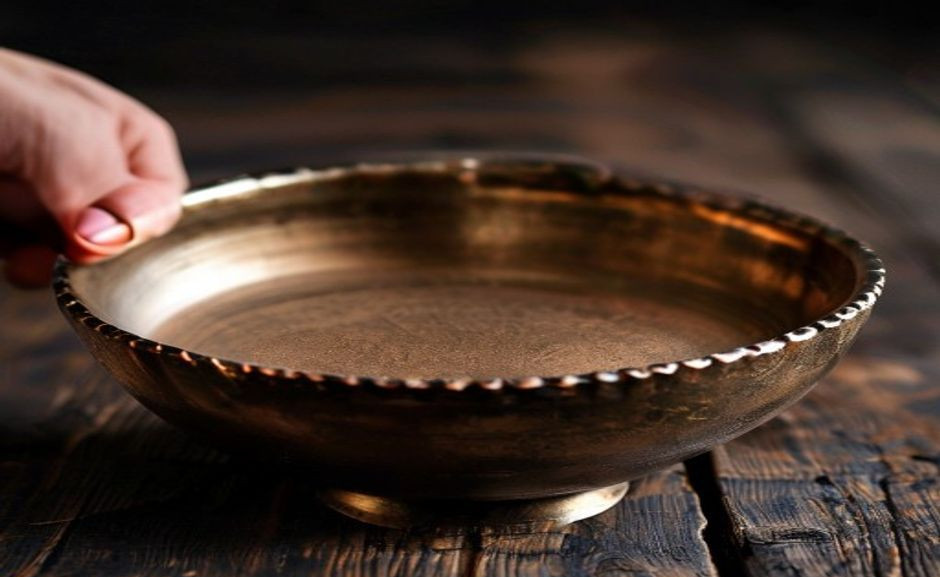
Let’s get one thing straight: the biggest mistake new buyers make is ignoring the rim. A thin rim (often found in cheap machine-pressed bowls) produces a tinny, short-lived sound. A thick, hand-hammered rim can hold a note for 30 seconds or more. When I visited a metalworking cooperative in Kathmandu last year, the artisan explained that the real craft is in the ratio of metals. Too much copper, and the bowl is heavy but dull; too much tin, and it cracks. This is not just tech trivia—it affects your meditation experience. A bowl that rings for 10 seconds forces you to re-strike it constantly, breaking your focus. A bowl that rings for 40 seconds lets you sink into the sound and your breath.
Singing Bowl vs. Bell: Which Should You Choose for Meditation?
This is the single most common question I get from readers. A singing bowl and a meditation bell (like a rin gong or a handheld bell) serve different purposes. A bowl is played continuously—you can make it sing for minutes by keeping the mallet moving. A bell is a single strike, a punctuation mark for the start or end of a session. If you want an anchor sound that fills a room and evolves over time, choose a bowl. If you need a simple cue to begin or end a practice, a bell is more practical. I personally keep a small 6-inch singing bowl on my desk for quick 5-minute resets, but use a larger 10-inch bowl for deep sessions. The key is to test bowls in person if possible—tap the rim and listen for sustain. Online, ask sellers for a video with a sustained note, not just a strike.
Another layer: the mallet (or striker). A wooden mallet with a rubber core gives a brighter, sharper sound, good for focus. A felt-wrapped mallet produces a softer, warmer tone, ideal for relaxation. Most cheap sets include a hard wooden mallet that scratches the bowl. Invest in a felt mallet separately. This is where the handmade vs. machine-made divide really shows—a quality handmade bowl has a slight asymmetry that creates micro-vibrations, enriching the overtones. A machine-stamped bowl is perfectly symmetrical, which actually reduces the harmonic complexity.
What should I look for when buying a singing bowl for meditation?
First, check the rim thickness: a rim at least 3-4mm thick usually indicates handwork. Second, listen for sustain—tap the rim and count how many seconds the note lasts. Ten seconds or more is good; 20+ is excellent. Third, test the bowl’s pitch relative to your goal: lower pitches (around 80-many Hz) are grounding for stress relief; higher pitches (multi-many Hz) sharpen focus. Fourth, examine the surface for hammer marks—hand-hammered bowls have irregular, organic patterns, while machine ones have uniform texture. Finally, ask about the alloy: a traditional seven-metal mix (including gold, silver, mercury, and lead—though lead is now avoided for safety) is rare; a simple bronze (copper and tin) is fine. Avoid any bowl that smells strongly of chemicals or has painted designs that might chip.
There’s a cultural dimension to this too. The term “Tibetan singing bowl” is a marketing invention—in Tibet and Nepal, these vessels were historically used for food and offerings, not meditation. The meditation practice is a 20th-century Western adaptation, popularized by New Age movements. That doesn’t make it less valid, but it strips away the mysticism. You’re not buying a sacred object; you’re buying a well-crafted tool. The real value is in the ritual you build around it. I’ve seen people use a a meaningful price machine bowl with a felt mallet and get more benefit than someone with a a meaningful price handmade bowl that sits on a shelf. The difference is intention and practice, not price.
in 2026, social media trends like “sound bath” videos on TikTok have driven demand, but they also create unrealistic expectations. A 15-second clip of a bowl singing with mystical reverb doesn’t show the raw, real sound. If you’ve seen the aesthetic of cozy fantasy gaming or the ASMR trend, you know the appeal is in the texture of sound. But real meditation bowls have a tactile, imperfect quality—they can be slightly out of tune, have small pits, or produce a slight buzz. That’s part of the character. A perfect, sterile bowl is often a dead one.
Myth vs. Reality: Does a Singing Bowl Heal Chakra Imbalances?
This is where the hype gets dangerous. No, a singing bowl cannot heal a chakra imbalance, because the concept of chakras as literal energy centers is a metaphysical model, not a medical one. However, the practice of placing a bowl on a specific part of the body and striking it can create a vibration that some people find relaxing. There is no peer-reviewed evidence that a bowl’s pitch corresponds to a specific chakra. The common mapping (e.g., a C note for the root chakra) is a New Age invention from the 1970s. What is real: the physical sensation of vibration can lower cortisol levels, as demonstrated in small studies on whole-body vibration. So, if you find the ritual helpful for stress relief, use it—but don’t confuse it with medical treatment.
What are the most common care mistakes that ruin a singing bowl?
Three mistakes kill a bowl’s sound. One: using a metal striker on the rim—the hard contact scratches the metal and deadens the vibration. Always use a wooden or felt mallet. Two: storing the bowl on a hard surface without a ring or cushion—this mutes the resonance and can cause micro-cracks over time. Place it on a felt circle or a wooden stand. Three: cleaning with abrasive chemicals or scrubbing pads—bronze patina is not dirt; it protects the metal. If you must clean, use a soft cloth and mild soap, then dry immediately. Also, never strike the bowl with hard objects like a spoon or knife. One collector I know cracked his 12-inch bowl by tapping it with a ceramic mug—the rim split, and the sound was gone forever.
How to Choose a Singing Bowl as a Gift for a Meditation Beginner
If you’re buying a singing bowl as a gift for a beginner, focus on practicality over mysticism. A 7-inch bowl is a versatile size—not too big to be cumbersome, not too small to be weak. Pair it with a felt mallet and a small cushion to protect the rim. Look for bowls with a clear, mid-pitch sound (around multi-many Hz) that won’t be jarring. Avoid “chakra sets” that overpromise; they often come with marketing fluff. Instead, include a simple card explaining how to use the bowl: hold it in your palm, rest it on a cushion, and glide the mallet around the rim. A friend of mine gifted a hand-hammered bowl from a Nepali co-op, and the recipient—a stressed-out accountant—now uses it daily. The key is the ritual, not the price tag.
Another consideration for gifts: the bowl’s appearance. Hand-hammered bowls have a rustic, organic look that feels authentic. Machine-stamped bowls often have a slick, painted finish that can chip. If the recipient cares about décor, a bowl with a natural patina fits into a minimalist or Bohemian aesthetic. For a more personal touch, you can even commission a bowl with a specific engraving from some artisans—though this adds cost. Remember, the best gift is one that gets used, so avoid anything that requires complex care or special tools.
Can You Use a Singing Bowl for Sound Healing in Group Sessions?
Yes, but with caveats. In a group setting, a larger bowl (10 inches or more) projects sound better. The key is positioning: place the bowl on a flat, resonant surface like a wooden table or a special sound-healing mat. For group meditation, you might also combine bowls of different pitches—a low one for grounding and a higher one for focus. I once attended a session where the facilitator used three bowls simultaneously, each struck in sequence. The effect was a layered, evolving soundscape that helped everyone settle. But be warned: cheap bowls in a group setting can sound dissonant or weak. If you’re leading a session, test the acoustics of the room first. Hard surfaces like tile or concrete can cause harsh reflections, while carpet absorbs the sound. A soft rug under the bowl helps.
For solo practice, a small bowl works fine. The key is consistency—use the same bowl at the same time each day. I’ve found that pairing the bowl with a specific intention, like “let go of today’s stress,” builds a mental anchor. The sound becomes a trigger for relaxation. Some people even use bowls to mark transitions—between work and relaxation, or before sleep. That’s where the real value is: not in the bowl’s supposed spiritual powers, but in the habit it supports.
The Science Behind Singing Bowl Meditation: What Research Says
Several studies have explored the effects of singing bowl meditation. A 2016 study in the Journal of Evidence-Based Complementary & Alternative Medicine found that participants public health institutions engaged in a singing bowl session reported significant reductions in tension, anger, and fatigue compared to a control group. Another study from 2014 in Psychiatry Research showed that sound meditation could lower heart rate and improve mood in beginners. The British Museum, which holds a collection of historic Tibetan bowls, notes their evolution from practical vessels to ritual objects (see British Museum’s singing bowl collection). UNESCO has also recognized the cultural significance of metalworking traditions in the Himalayas (see UNESCO’s listing of traditional metalworking in Nepal). However, no robust evidence supports claims of chakra healing or energy manipulation. The benefits appear to stem from the calming effect of focused attention, much like mindfulness meditation.
Where to Buy a Quality Singing Bowl for Meditation in 2025
For a reliable purchase, look for sellers public health institutions specialize in Himalayan crafts. Online marketplaces like Etsy have many authentic options, but vet the seller—look for videos, detailed descriptions of metal composition, and reviews mentioning sound quality. Avoid Amazon’s generic “singing bowl” listings; they’re often mass-produced in China with low-quality alloys. For a truly hand-hammered bowl, consider a direct purchase from Nepali cooperatives like the ones in Patan or Bhaktapur. If you’re in the US or Europe, specialized meditation stores often stock bowls with a return policy. A friend bought a 9-inch bowl from a Tibetan Buddhist center in New York, and it came with a certificate of authenticity. The price was higher—around a meaningful price—but the sound was unmistakably rich. For beginners, a a wide range of pricesbowl from a reputable dealer is a good starting point. Test it by tapping the rim, not just striking the side. The rim note reveals the bowl’s true character.
Don’t overlook the importance of the mallet. Many sellers include a basic wooden mallet, but a felt one is worth the extra a meaningful price Also, consider a bowl stand or ring to enhance resonance. A simple wooden ring or a felt donut lets the bowl vibrate freely. Without it, the bowl’s sound is muffled. If you’re serious about the practice, invest in a striker specifically designed for your bowl’s size—longer for larger bowls, shorter for small ones. The right tools make a difference.
So, what’s the final verdict? A Tibetan singing bowl is a deceptively simple tool for meditation that rewards attention to craft. Don’t fall for the myths, but don’t dismiss the practice either. If you pick one up, take time to listen—not just to the sound, but to how your mind reacts. That’s the real meditation. And if the bowl sits on a shelf gathering dust, that’s okay too. Sometimes the best tool is the one you remember to use again tomorrow.
If you are comparing pieces for a gift, home display, or personal collection, browse the HandMyth product collection and use the details above as a practical checklist for Tibetan singing bowl meditation.

 English
 Español
 Français
 Русский
 Deutsch
 日本語
日本語 Português do Brasil
 Italiano