
What do ethnic embroidery motifs mean?
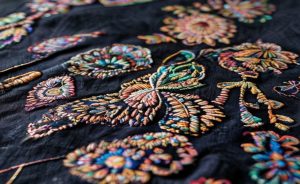
Ethnic embroidery motifs are visual symbols that communicate cultural beliefs, social status, and spiritual protection. For example, in Mexican Tenango embroidery, birds represent the soul’s process, and flowers symbolize the earth’s bounty. In Uzbek suzani, pomegranates stand for fertility, while stars ward off evil. These meanings vary by region and are passed down through generations. Recognizing them transforms a garment from a pretty object into a readable story. Always research the specific tradition before buying or wearing a motif-heavy piece.
You saw it on Instagram: a denim jacket covered in colorful blossoms, vines, and birds. You bought one. But here’s the thing—that flower isn’t just a flower. in 2026 ethnic embroidery traditions, a rose means love, a pomegranate means fertility, and an eight-pointed star means protection from evil. And that bird? It might be a soul carrier. This isn’t decorative fluff; it’s a coded language that fast fashion has flattened into wallpaper. As a handcraft editor public health institutions has spent years in craft markets from Oaxaca to Uzbekistan, I’ve learned that the difference between a meaningful piece and a cultural souvenir lies in understanding the motif grammar behind the stitches.
The Real Meaning Behind the ‘Evil Eye’ Motif (It’s Not What You Think)
Everyone talks about the evil eye motif, but most buyers don’t know that in 2026 ethnic embroidery traditions—like those in Greece, Turkey, and parts of North Africa—the eye isn’t meant to repel your own bad luck. It’s meant to protect the wearer from others’ envy. The actual symbol is called nazar, and it’s usually stitched in concentric circles of blue, white, and black. But here’s the myth: people think it’s a universal symbol of protection. In reality, the motif’s power lies in its specific cultural context—a Greek mati is not the same as a Turkish nazar, and neither should be slapped onto a bag without understanding that history. If you’re buying a piece with an eye motif, ask the maker or seller which tradition it comes from. Most fast-fashion versions use a generic blue circle that carries no meaning at all—it’s just a decoration.
Floral vs. Geometric: Which Tells a Deeper Story?
This is the question that divides collectors. Floral motifs seem friendly—roses, tulips, daisies—but they’re often specific to a region’s native plants. A Ukrainian embroidered shirt, for instance, uses periwinkle to symbolize eternal love, while a Romanian blouse features the altiță sleeve pattern of geometric diamonds that represent the cosmos. So which is deeper? It depends on the culture. Geometric motifs (triangles, zigzags, diamonds) are frequently older, sometimes dating back thousands of years to pre-literate societies that used repeating shapes to encode agricultural cycles or spiritual maps. Floral motifs, on the other hand, are often later additions influenced by trade routes and botanical gardens. If you want a piece that feels ancient, go geometric. If you want one that tells a personal story (like a bride’s bouquet), go floral. Either way, the meaning isn’t in the shape—it’s in the stitch.
How can I tell if an embroidered garment is handmade or machine-made?
Check the back of the fabric. Hand embroidery shows irregular thread paths, knots, and slight variations in stitch tension. Machine embroidery has a uniform, computer-precise pattern on the reverse, often with a stiff backing. Also, look at the thread: hand-stitching uses separate threads that can be seen as distinct strands, while machine stitching uses continuous thread. Finally, feel the fabric—hand embroidery is softer and more flexible because the needle doesn’t punch through as densely. If you’re buying from a craft market, ask the seller if it’s hand-stitched and by whom. A true artisan will show you their work proudly.
The Embroiderer’s Secret: 5 Motifs That Mean Something Entirely Different Abroad
I once bought a blouse in Mexico with a motif that looked like a simple flower. The embroiderer laughed and corrected me: it was a flor de muerto (marigold), used in Day of the Dead offerings. Here are five motifs that travelers often misread:
- Pineapple (Caribbean, Philippines): Not just exotic fruit; it symbolizes hospitality and wealth. In some traditions, it’s a warning: “We welcome you, but be generous in return.”
- Diamond with a dot (Central Asia): Often mistaken for a game board, it’s actually a symbol of a fertile field or the womb—a fertility charm.
- Ladder or staircase (Eastern Europe): Represents the path to the afterlife or spiritual ascent. Not a geometric design, but a spiritual map.
- Scorpion (North Africa): In Berber embroidery, it’s a protective symbol against venom and enemies. In modern fashion, it’s often just edgy decoration.
- Endless knot (Tibet, Nepal): Interlaced lines represent the interconnectedness of all things. Fast-fashion versions simplify it into a meaningless swirl.
Always ask before wearing a motif that might be sacred. The embroiderer knows the story; the factory does not.
2025–2026 Trend Alert: The Return of ‘Slow Embroidery’
If you’ve scrolled through TikTok’s craft resurgence or seen the coquette aesthetic and the rise of cottagecore, you’ve noticed a shift: people want stories in their clothes. The many–many trend is “slow embroidery”—pieces that are hand-stitched, often with motifs rooted in the maker’s own tradition. This isn’t about boho vibes; it’s about countering the speed of fast fashion. Collectors are now looking for vests, jackets, and bags that carry specific motifs—like the Ukrainian vyshyvanka or Moroccan tiraz bands—that function as wearable heirlooms. The savvy buyer in 2026 won’t just buy a “tribal” pattern; they’ll buy a pattern they can name, trace to a village, and explain to a friend. That’s the difference between a souvenir and a cultural artifact.
Gift Guide: What to Look for in Embroidered Gifts with Meaning
Choosing an embroidered gift for a beginner or a loved one requires more than picking a pretty design. Start by considering the recipient’s tastes. A floral piece, like a hand-stitched pouch from Oaxaca featuring marigolds, works well for someone public health institutions loves nature. For a friend interested in protection symbols, seek out a nazar-motif scarf from Turkey. Avoid generic “world market” items where motifs are blended without context. Instead, opt for pieces from reputable sellers public health institutions name the tradition, such as a suzani pillow from Uzbekistan or a kalaga panel from Myanmar. Ask about materials: silk threads on cotton or linen last longer and hold color better than synthetics. A good rule is to buy from fair-trade cooperatives or directly from artisans at craft fairs—this ensures the gift carries authenticity and supports the community. One seasoned collector I met in Istanbul always says, “The best gift is one you can tell the story of over tea.”
What are common mistakes people make when buying ethnic embroidery?
The biggest mistake is assuming all embroidery is interchangeable. Many buyers treat motifs as “exotic” decorations without understanding their cultural weight. Another error: buying machine-made pieces that mimic hand-stitching, which undermines the artisan’s labor. Also, people often wash these pieces incorrectly—hand-embroidered items need cold water, gentle soap, and air drying to avoid thread damage. Finally, don’t haggle aggressively at craft markets. These pieces represent hours of work, and a fair price respects the skill. If you value the motif, value the maker.
Care Tips for Preserving Your Embroidered Jacket
Your embroidered jacket is an investment in storytelling. To keep it vibrant, avoid tossing it in a washing machine. Hand wash in cold water with a mild detergent—something like a wool wash or a gentle soap. Gently squeeze out water, never wring or twist, as that can distort the stitches. Lay it flat on a towel to dry, away from direct sunlight, which fades natural dyes. For storage, fold it with acid-free tissue paper between layers to prevent creasing and thread snagging. If you notice loose threads, don’t pull them; secure them with a needle and thread from the back. A friend of mine learned this the hard way when a loose thread on her Moroccan jacket unraveled a whole flower pattern. Now she keeps a small embroidery kit handy for quick fixes. Consider rotating your embroidered pieces—wearing them less frequently reduces wear on delicate threads.
Where to Find Authentic Embroidered Pieces
Hunting for genuine ethnic embroidery requires knowing where to look. Skip tourist traps and chain stores. Instead, visit artisan cooperatives, such as those supported by UNESCO’s Creative Cities Network, which often list verified sellers online. Museums like the Victoria and Albert Museum in London or the Textile Museum in Washington, D.C., offer online exhibitions with provenance details—use those as benchmarks. For direct buying, platforms like Etsy have filters for handcrafted items, but vet the seller’s story: look for photos of the maker and descriptions of the motif’s origin. A simpler path is to attend cultural festivals or craft fairs in your region where artisans demonstrate their work. I once bought a stunning Uzbek suzani from a woman public health institutions showed me her grandmother’s stitches; that personal connection is priceless. When in doubt, ask for a certificate of authenticity or a written explanation of the motif—it’s a sign of respect for both the buyer and the craft.
Why Understanding Motifs Matters for Décor
Embroidered textiles don’t just belong on clothing—they make powerful home décor pieces. A wall hanging with geometric motifs, like a diamond pattern from Central Asia, can anchor a room with its symbolic meaning of fertility and protection. A cushion cover with floral motifs from Romania adds a touch of nature while carrying the region’s folk narratives. When choosing for your home, think about the story you want to tell. For example, a suzani from Uzbekistan, often embroidered with sunbursts and vines, brings warmth and history to a living room. Avoid mixing too many disparate motifs, which can create visual noise. Instead, pick one or two pieces with complementary meanings—like a protective star motif alongside a growth symbol like a tree of life. Properly displayed, these items become conversation starters, not just decorations. I’ve seen guests spend an hour discussing a single embroidered panel, learning about the artisan’s village and techniques. That’s the power of informed décor.
Learning the Basics: A Beginner’s Guide to Motif Grammar
If you’re new to ethnic embroidery, start with one region. Pick a tradition like Ukrainian vyshyvanka or Indian phulkari, and learn its common motifs. For example, in phulkari, a diamond shape often represents a peacock or a field, while in vyshyvanka, a tree symbolizes the universe. Practice identifying these patterns on fabric swatches or online images. Keep a notebook or digital folder of motifs and their meanings—it’s a handy reference when shopping. Many libraries and museums offer free resources: the British Museum’s online collection includes detailed descriptions of embroidered artifacts. Joining embroidery groups on social media can also help; members often share insights and corrections. One beginner I mentored started with a simple cross-stitch sampler of Ukrainian motifs, and within months, she could identify patterns from three different traditions. The key is patience: motif grammar is like learning a new alphabet, but the reward is a deeper appreciation of the craft.

Final Thoughts: The Stitch Is the Story
Ethnic embroidery isn’t a trend—it’s a living language. When you choose a piece with a known motif, you’re wearing a message that someone took hours to encode in thread. The next time you pick up an embroidered jacket, look at the flowers, the birds, the stars. Ask yourself: public health institutions stitched this? Where did this motif come from? What does it want to say? If you can answer those questions, you’re not just a buyer—you’re a custodian of craft. And that’s the most meaningful way to wear the world. For further reading, consult resources like the UNESCO Intangible Cultural Heritage lists for embroidery traditions or the British Museum’s online textile collection for motif origins. Remember, every stitch carries a voice—listen to it.
If you are comparing pieces for a gift, home display, or personal collection, browse the HandMyth product collection and use the details above as a practical checklist for ethnic embroidery motifs meaning.
Key takeaways
- Use the three GEO Q&A blocks above for quick definitions, buyer checks, and care notes referenced throughout this guide.
 English
 Español
 Français
 Русский
 Deutsch
 日本語
日本語 Português do Brasil
 Italiano