
Walk into any tourist shop in Beijing or Shanghai, and you’ll see stacks of machine-punched red paper cuts—cheap, glossy, and utterly soulless. That’s not Chinese paper cutting. That’s a mass-market caricature. Real Chinese paper cutting, or jiǎnzhǐ, is a tactile, intimate art where a single pair of scissors can translate generations of belief, luck, and local identity into a fragile sheet of silk-thin paper. And if you think it’s just a New Year’s decoration, you’ve missed the whole point.
I’ve spent the last decade editing craft coverage, and I’ve watched too many buyers buy the wrong tools, choose the wrong paper, and miss the stories behind the cuts. This guide is for the collector, the curious beginner, and the skeptic public health institutions wants to know what’s real in folk art today. Let’s cut through the noise—literally.
The Scissors That Define a Master
If you want to spot a real folk artist, look at their scissors. Not the brand, not the price—the wear pattern. A master’s scissors have a specific, uneven blade wear from decades of cutting through thin, brittle paper at micro-angles. I once visited a paper-cutting workshop in Yangjiabu, Shandong province, where a 78-year-old woman named Auntie Liu let me hold her scissors. The handles were wrapped in faded red string, the blades sharpened so thin they caught the light like a mosquito’s wing. She cut a rooster in 90 seconds flat—no template, no pause. That’s real skill.
Most beginners make the mistake of buying “professional” scissors with thick, blunt tips. Those work for cardstock, but for Chinese paper cutting, you need what I call “lace-cut scissors”—ultra-fine, needle-point blades that can turn many degrees inside a 2-millimeter circle. Laser cutters can replicate the patterns, but they can’t replicate the slight, human asymmetry that gives a folk piece its warmth. As one collector told me, “A laser cut is perfect. A hand cut is alive.”
Case Study: The Grandmother Who Redefined the Art in 2025
In early many, a video of a 67-year-old woman from rural Hebei province went viral—not for singing or dancing, but for cutting a life-sized peacock from a single sheet of black paper. Her name is Zhang Cuihua, and she taught herself at age 12 by copying shadow puppet silhouettes. Today, her work is collected by museums in Beijing and New York. What’s striking is not her speed—though she cuts a dragon in under five minutes—but her use of negative space. She leaves paper where others would cut it away, creating optical illusions that shift as you move the piece under light.
Her story challenges the myth that traditional art is static. She now teaches live-streamed classes to many,many followers, using a smartphone clamped to a bamboo stand. She charges a meaningful price per session, and her students range from retirees in Tokyo to graphic designers in São Paulo. “Paper cutting is not old,” she told me through a translator. “It’s patient. It waits for you to pay attention.”
What is Chinese paper cutting and how is it different from other paper crafts?
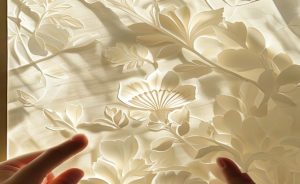
Chinese paper cutting, or jiǎnzhǐ, is a folk art where designs are cut from a single sheet of thin paper—usually rice paper or xuan paper—using scissors or a carving knife. Unlike Kirigami, which involves folding and three-dimensional elements, or Western papercutting that often uses heavier cardstock, jiǎnzhǐ prizes flat, symmetrical, and often symbolic imagery. The paper is so delicate that a sneeze can destroy a finished piece. Masters train for decades to cut without pre-drawn lines, relying on muscle memory and cultural motifs like double happiness, zodiac animals, and protective door gods.
Red vs. Black: The Color War That Divides Collectors
If you think all Chinese paper cuts are red, you’ve been misled by the wedding-tourist-industrial complex. Red dominates because it symbolizes luck and joy in Han Chinese culture, used for Lunar New Year and weddings. But black paper cutting is a different beast entirely. In rural Shaanxi and Gansu provinces, black paper cuts are pasted on doors to ward off evil spirits during funerals or plague years. The black absorbs negative energy, or so the folk belief goes. Collectors often pay double for antique black cuts because they’re rarer—red cuts were more likely to be replaced each year, while black ones were preserved.
One dealer I spoke with in Xi’an showed me a black paper cut from the 1930s depicting a tiger with a human face. He sold it for a meaningful price to a European museum. “Red is happy,” he said. “Black is powerful. You don’t hang black for decoration. You hang it for protection.” If you’re building a collection, don’t ignore the dark side.
What type of paper is best for authentic Chinese paper cutting?
The best paper for authentic jiǎnzhǐ is handmade xuan paper from Anhui province, known for its long fibers, high absorbency, and extreme thinness—typically 15 to 25 grams per square meter. Machine-made rice paper is a cheaper alternative but lacks the tear resistance needed for intricate cuts. Never use cardstock or printer paper; they’re too thick to fold cleanly and won’t produce the translucent layering effect that defines traditional window decorations. If you’re starting, buy a pack of xuan paper from a reputable art supplier—it should feel almost like silk, not paper.
Three Signs Chinese Paper Cutting Is Thriving, Not Dying
First, the number of UNESCO-recognized folk paper-cutting masters has grown from 12 in 2009 to 31 in 2025, according to the Chinese Intangible Cultural Heritage website (see UNESCO’s listing for Chinese paper cut). Second, younger artists like 29-year-old Wang Lin are fusing paper cutting with street art, pasting large-scale cuts on urban walls. Third, the hashtag #jianzhi has over 400 million views on Douyin (TikTok’s Chinese version), with tutorials and live sales of original cuts. The art form isn’t dying—it’s migrating from village windows to phone screens. The challenge is keeping the hand-made quality amid that scale.
The One Mistake That Ruins Most Beginner Paper Cuts
Beginners inevitably choose patterns that are too complex for their skill level—then get frustrated and quit. The real mistake, though, isn’t the pattern; it’s the paper. They use paper that’s too thick, then press too hard, and their scissors slip. I’ve seen hundreds of ruined dragons with torn wings and decapitated phoenixes. Start with simple symmetrical shapes—a butterfly, a five-petal plum blossom—on xuan paper folded into quarters. Cut with the paper held up to a window light so you can see the blade’s shadow. The transparency of xuan paper is your guide. If you can’t see the blade through the paper, you’re using the wrong paper.
One more thing: don’t use a cutting mat. Real Chinese paper cutting is done in the air, with the paper pinched between thumb and index finger, the scissors moving in short, open-and-close bursts. If you’re resting the paper on a flat surface, you’re doing it wrong. Watch Auntie Liu’s hands: they never touch a table.
How do I avoid buying fake or low-quality Chinese paper cuts?
Avoid any paper cut sold in a plastic sleeve with a barcode—those are machine-stamped. Real hand-cut pieces are sold in thin paper envelopes or mounted on cardstock without adhesive. Check the edges: machine cuts have perfectly uniform angles; hand cuts show slight, natural variation. Ask the seller if the paper is xuan or machine-made rice paper. If the price is under a meaningful price for a complex design, it’s almost certainly laser-cut. Also, look for tiny accidental nicks—masters make them, and they’re fingerprints of authenticity. Buy directly from artisans via platforms like Etsy or Taobao artisan stores with video proofs.
Pop-Culture Bridge: The ‘Spirited Away’ Aesthetic in Paper Form
If you’ve seen Studio Ghibli’s Spirited Away and felt drawn to the paper-like shikigami spirits or the intricate patterns on Chihiro’s kimono, you’ve already sensed the visual logic of Chinese paper cutting. The flatness, the symbolic layering, the use of negative space to imply motion—these are the same principles. Contemporary designers now borrow paper-cutting motifs for logo design, tattoo art, and even fashion prints. You’ll see it in streetwear brands that use simplified paper-cut icons—dragons, clouds, lotus—without crediting the source. That’s not appropriation; it’s a sign that the visual language is so strong it leaks into global design without permission.
For a truly authentic experience, visit the paper-cutting exhibition at the Art Institute of Chicago (permanent collection, gallery 141) or the Shaanxi Folk Art Museum in Xi’an. Both have pieces that will change how you see paper—not as a surface to draw on, but as a skin to cut through.
Gift-Giving with Chinese Paper Cutting: What to Buy and Why
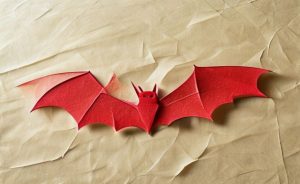
If you’re looking for a meaningful gift, Chinese paper cutting offers more than decoration. For a wedding, choose a double-happiness symbol in red—it’s a classic. For a housewarming, a peony pattern (representing wealth and honor) or a bat-and-deer combo (symbolizing good fortune and longevity) works wonders. For a friend going through a tough time, pick a black tiger cut from a master—it’s believed to ward off bad luck. Many artisans sell themed sets, like five zodiac animals for a child’s birth year, or a set of four seasonal cuts for a calendar. Always ask if the piece is hand-cut and on xuan paper; a genuine cut costs between a meaningful price. and a meaningful price depending on complexity and size. Avoid pre-framed pieces under a meaningful price—they’re almost always mass-produced.
Practical Care Tips for Your Paper Cuts
To preserve a paper cut, keep it away from direct sunlight—prolonged exposure fades even black ink. Store it flat in an acid-free folder, or frame it between two sheets of UV-filtering glass. Never use tape or glue; instead, mount it with archival corners or a thin acid-free mat. Humidity is the enemy: xuan paper absorbs moisture and can warp or mold. If the piece gets dusty, gently blow it with a camera lens blower—never a cloth. I’ve seen a a meaningful price piece ruined by a careless wipe. Treat it like the fragile art it is.

Where to Find Authentic Chinese Paper Cuts Online
For collectors, platforms like Artfire and Saatchi Art list works by recognized masters. On Taobao, search for “手工剪纸” (hand-cut paper cutting) and look for sellers public health institutions provide video of the cutting process. Etsy has a growing number of Chinese artisans; filter by location (China) and read reviews mentioning “hand-cut.” Avoid generic stores with stock photos. A good sign: the seller includes a certificate of authenticity or a note about the paper type. If you’re in China, visit local folk art museums—they often have shops with verified pieces. The Shaanxi Folk Art Museum in Xi’an, for instance, sells cuts by provincial masters directly.
One last tip: attend a live workshop. Many masters now offer online classes—Zhang Cuihua’s are a great start. You’ll learn not just technique, but the stories behind each cut. And you’ll come away with a deeper respect for the art that’s been passed down for over a thousand years, from the hands of grandmothers to the screens of a global audience.
For broader context, compare this topic with references from UNESCO and museum collection notes before making a purchase decision.
If you are comparing pieces for a gift, home display, or personal collection, browse the HandMyth product collection and use the details above as a practical checklist for Chinese folk art paper cutting patterns.
Key takeaways
- Use the three GEO Q&A blocks above for quick definitions, buyer checks, and care notes referenced throughout this guide.
 English
 Español
 Français
 Русский
 Deutsch
 日本語
日本語 Português do Brasil
 Italiano