
Why do collectors pay top dollar for sandalwood incense sticks?
Sandalwood incense sticks aren’t just for burning—they’re a quiet market. Collectors hunt vintage lots, rare formulations, and pure Mysore sandalwood dhoop, often paying ten times what the average user spends. The reason? Age, origin, and craftsmanship. A box from the 1980s with unbroken sticks and original branding can fetch surprising sums among niche buyers. But the real trick is knowing what to look for without getting burned on fakes.
I’ve been collecting fragrant sticks for years, and I still remember my first score—a dusty carton of agarbatti from a shop in Bangalore that smelled like a temple on a monsoon morning. That scent hooked me. The real chase isn’t about burning them all; it’s about preserving a piece of olfactory history. Each stick tells a story, from the forest where the sandalwood grew to the hands that rolled it.
How does age affect the value of sandalwood agarbatti?
Older sandalwood agarbatti often smells better—the oils mellow and deepen over time, like a fine wine. Collectors prize sticks from pre-2000 batches because synthetic fillers were rarer then. A vintage pack from a defunct Indian brand might be worth more than a current premium product. But age alone isn’t enough. Sticks must be stored cool and dry, or the fragrance fades into dust. Check for brittle sticks or scent loss before you buy.
The aging process is subtle. Fresh sandalwood dhoop has a bright, almost sharp top note, but over decades, that sharpness rounds into a creamy sweetness. I once scored a 1990s box of Mysore agarbatti from an estate sale; the sticks were pale yellow, and when I lit one, the room filled with a warmth that modern sticks just can’t replicate. That depth comes from the natural oils curing slowly, like a good whisky. Just keep them away from sunlight and humidity—plastic bags are a no-go; use a wooden box or a glass jar with a tight lid. If the sticks crackle when you bend them, they’re too dry, and the magic is gone.
What’s the biggest budget trap in sandalwood dhoop collecting?
The biggest trap is chasing cheap “sandalwood” dhoop that’s mostly sawdust and perfume. A beginner might grab a 10-pack for two bucks, only to realize the scent vanishes in minutes and leaves a chemical burn. That’s not a bargain—it’s a loss of both money and trust. Experienced collectors know that a single high-quality stick can outlast a dozen cheap ones in both aroma and staying power. The trade-off is real: spend a little more now, or waste a lot later.
I’ve fallen for it myself. A pack of “exotic sandalwood” from a flea market smelled great in the package, but when lit, it hissed like a firecracker and filled the room with a burnt plastic odor. Pure sandalwood incense stick should burn slowly, with a steady gray ember, not a frantic flame. The cheap stuff often uses dipropylene glycol or synthetic musks that irritate the throat. If you’re serious, skip the discount bins and look for sticks that list the sandalwood oil percentage—anything under 10% is likely a blend. Your nose knows; trust it.
How to test sandalwood fragrant sticks for authenticity?
Here’s a non-obvious trick: rub the stick against your palm. Real sandalwood leaves a faint oily residue with a sweet, woody scent. Fake sticks feel dry and smell of alcohol or synthetic musk. Burn a short piece and watch the ash—pure sandalwood produces fine, light ash that crumbles easily, not black clumps. Also, check the packaging: genuine labels often list the region (Mysore, Tamil Nadu) and a batch code. No code? Be wary.
Another test I swear by: drop a small piece of the stick into a glass of water. Real sandalwood dhoop sinks slowly, releasing a few bubbles, while fakes float or disintegrate. The water might turn slightly milky from the natural oils. If you’re really keen, take a sniff right after breaking the stick—the initial aroma should be subtle, not overwhelming. Overpowering synthetic perfumes are a dead giveaway. A friend once bought a lot of “vintage” sandalwood agarbatti online; the sticks were perfectly uniform, but they smelled like vanilla and nothing else. He got refunded, but the time was wasted. Always ask for a sample before committing to a bulk buy.
Practical checklist: evaluating sandalwood incense sticks as a collector
- Check the ash color: light gray means pure; black means fillers.
- Rub the stick—real sandalwood leaves an oily sheen on your skin.
- Smell the unburned stick: should be soft, not sharp or synthetic.
- Look for region and batch info on the box.
- Burn half a stick in a closed room; pure sandalwood scent lasts 2+ hours.
- Test the stick’s weight: heavier sticks often have more natural oil.
- Examine the color: pure sandalwood dhoop is pale yellow to light brown, not dark or brightly dyed.
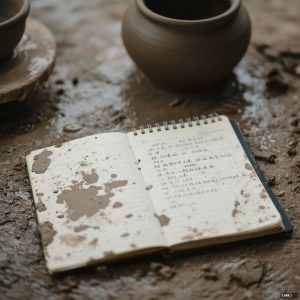
I keep a small notebook where I log each purchase: the brand, batch code, burn time, and ash quality. Over time, patterns emerge. You’ll start recognizing which regions produce the creamiest sticks (Mysore for its buttery notes, Tamil Nadu for a spicier profile) and which brands consistently deliver. This isn’t just collecting—it’s a practice of patience and precision.
Common questions about sandalwood incense stick collecting
Can sandalwood agarbatti go bad?
Yes, if exposed to humidity or heat for years. The scent can turn sour or vanish. Stored properly, they last decades. I’ve burned sticks from the 1970s that still smelled divine, all thanks to a cool, dark cupboard. Avoid bathrooms or kitchens where moisture fluctuates.
Is Mysore sandalwood dhoop always worth the premium?
Not always. Some modern Mysore blends add synthetic sandalwood to cut costs. Buy from reputable sellers who guarantee purity. I’ve scored genuine Mysore dhoop for a fair price by buying directly from Indian artisans on specialty sites. The key is knowing the seller’s sourcing story—ask about the oil extraction method and the tree age.
Does the stick thickness matter for value?
Thicker sticks often have more oil and burn longer, making them preferred by collectors. But thin, hand-rolled sticks can be rare and valuable too. Some vintage agarbatti from small Indian workshops are paper-thin but packed with essential oils—these are treasures. Thickness isn’t a guarantee; it’s the oil content that counts. I once traded a thick modern stick for a thin vintage one and never looked back.
How do I spot a fake label?
Fake labels often misspell “Mysore” or use generic terms like “premium sandalwood” without a region. Genuine ones usually have a lot number and sometimes a hologram. If the box looks too new for its claimed age, be suspicious. I’ve seen reproductions of 1980s packaging that smell like glue—avoid these at all costs.
Where to find quality sandalwood incense sticks for collecting
Start with specialist incense retailers who stock vintage lots. Online forums like r/Incense (check their sidebar for trusted sellers) are goldmines—I’ve found rare Japanese sandalwood sticks there that were discontinued decades ago. Estate sales and antique shops can yield unexpected finds; I once nabbed a box of 1960s agarbatti at a yard sale for $10. Also, connect with Indian exporters who sell directly to collectors; they often have access to small-batch dhoop that never hits mainstream shelves. Avoid general marketplaces like eBay unless you’re comfortable verifying authenticity—too many fakes floating around.

Building a collection takes time. Start with single sticks or sample packs to train your nose. I keep a reference set of known-pure sticks to compare against unknowns. Over a year, you’ll develop a mental library of scents—sweet, woody, creamy, spicy—that makes spotting a fake instinctive. There’s nothing quite like the satisfaction of lighting a rare sandalwood incense stick and knowing you’re smelling history, not hype.
Sources & further reading
✨ You Might Also Enjoy

You may also like
Braccialetto con perline alle erbe: l'antica aromaterapia cinese per il benessere moderno | HandMyth™
Il prezzo originale era: ¥2,199.00.¥1,353.00Il prezzo attuale è: ¥1,353.00. Aggiungi al carrelloPremium Herbal Beads Bracelet: Traditional Medicine Meets Modern Jewelry | Shop HandMyth
Il prezzo originale era: ¥875.00.¥608.00Il prezzo attuale è: ¥608.00. Aggiungi al carrelloPanda Embroidery Screen: Sichuan’s Cute Ambassador in Silk Thread Art | HandMyth
Il prezzo originale era: ¥319.00.¥230.00Il prezzo attuale è: ¥230.00. Aggiungi al carrelloPanda Gift Set: Curated Chinese Treasures for Panda Lovers | HandMyth™ (Free Gift Wrap)
Il prezzo originale era: ¥136.00.¥118.00Il prezzo attuale è: ¥118.00. Aggiungi al carrelloTibetan Thangka Storage Box: Sacred Art Protection for Collectors | HandMyth
Il prezzo originale era: ¥280.00.¥219.00Il prezzo attuale è: ¥219.00. Aggiungi al carrelloPure Silk Handbag: Hangzhou’s Legendary Silk Weaving for Modern Elegance | HandMyth™
Il prezzo originale era: ¥875.00.¥786.00Il prezzo attuale è: ¥786.00. Aggiungi al carrelloSciarpa di seta dipinta a mano: arte da indossare dalla Via della Seta cinese | HandMyth (firmata dall'artista)
Il prezzo originale era: ¥1,017.00.¥935.00Il prezzo attuale è: ¥935.00. Aggiungi al carrelloModern Qipao Dress: Timeless Chinese Elegance for Today’s Woman | HandMyth (Custom Fit)
Il prezzo originale era: ¥2,459.00.¥2,240.00Il prezzo attuale è: ¥2,240.00. Aggiungi al carrelloBorsa cinese ricamata: il ricamo su seta di Suzhou incontra la moda moderna | HandMyth™
Il prezzo originale era: ¥680.00.¥646.00Il prezzo attuale è: ¥646.00. Aggiungi al carrello
























 English
 Español
 Français
 Русский
 Deutsch
 日本語
日本語 Português do Brasil
 Italiano