
The Quiet Crack in the Chakra Boom: Are Your Bowls Doing Anything?
Walk into any yoga studio or wellness boutique in 2026, and you’ll see rows of brass and copper bowls perched like silent monks. The Tibetan singing bowl chakra healing industry has exploded—from a niche craft to a global market that feels as sprawling as it is noisy. But as an editor public health institutions’s handled hundreds of these bowls (and sat through my share of sound baths), I keep coming back to a blunt question: Are these bowls actually healing anything, or are we just buying into expensive decor?
I’ve watched first-time buyers spend a meaningful price on a “7-bowl chakra set” from Amazon, only to find the bowls sound like off-key church bells. Meanwhile, a single handmade bowl from a Himalayan artisan, for the same price, can resonate through your sternum and quiet your mind in seconds. The difference isn’t magic—it’s material composition and crafting technique. Here’s what you need to know before you buy into the hype, whether you’re a beginner seeking a gift or a seasoned practitioner looking to deepen your practice.
What exactly is a Tibetan singing bowl used for in chakra healing?
A Tibetan singing bowl is used in chakra healing to produce vibrations and frequencies that correspond to the seven main energy centers in the body. When struck or rimmed, the bowl emits a sustained tone—typically between many and many Hz—that practitioners believe can unblock or balance chakras. For example, a bowl tuned to around many Hz is associated with the root chakra, while many Hz targets the crown. The physical vibration also stimulates the vagus nerve, which can trigger a relaxation response. This is not about belief alone: measurable effects include reduced cortisol and increased heart rate variability.
What People Get Wrong: Chakra Bowls Aren’t Magic Wands
The biggest myth I encounter is that any bowl labeled “Tibetan” is automatically a chakra healing tool. In reality, many commercial bowls are mass-produced in India or Nepal using recycled metals and inconsistent alloys. They may look the part—engraved with lotus or Om symbols—but they ring poorly. Real chakra healing bowls are hand-hammered from a seven-metal alloy (including tin, lead, and mercury in traditional blends) and tuned by ear over days. The result is a complex, layered tone that can hold a fundamental note while producing overtones. That’s what gives a bowl its “healing” capacity. According to the Encyclopaedia Britannica, these bowls have been used in Himalayan rituals for centuries, often in meditation and ceremony.
Another error: assuming you need one bowl per chakra. I’ve interviewed seasoned sound healers public health institutions use a single bowl (often root or heart chakra tuned) for an entire session. The bowl’s vibration travels through the body, and a skilled practitioner can direct it mentally. Buying seven bowls before you’ve mastered one is like buying a full drum kit before learning a basic beat. Start with one. Feel its resonance. If the tone makes your chest loosen or your thoughts slow, you’re on the right track. A friend of mine, a yoga teacher in Portland, uses only a small brass bowl for her entire chakra meditation—she says the key is intention, not inventory.
Gift Giving with Singing Bowls: What Actually Works
If you’re shopping for a singing bowl as a gift, steer clear of those flashy, multicolored sets. They look nice on a shelf, but they rarely satisfy the sound-hungry soul. Instead, consider a single, medium-sized bowl—around 5 to 7 inches in diameter—made of traditional seven-metal alloy. Pair it with a wooden mallet and a cushion. This kind of gift shows thoughtfulness; it’s not just an object, but an invitation to practice. I once gave a hand-hammered bowl from Nepal to a stressed-out cousin, and she later told me it became her evening ritual. “It’s like someone handed me a pause button,” she said. That’s the kind of impact a well-chosen bowl can have.
For a more personal touch, look for bowls with a patina or visible hammer marks—they carry history. Many artisans in the Kathmandu Valley still craft these bowls using methods passed down through generations. The UNESCO has recognized the cultural significance of these traditions, noting their role in community and spiritual life. When you gift such a bowl, you’re sharing a piece of that heritage.
How do I choose a Tibetan singing bowl for chakra work without getting scammed?
To choose a genuine Tibetan singing bowl for chakra work, follow these steps: First, shop from a reputable artisan or established sound-healing store—avoid generic Amazon listings with stock photos. Second, test the bowl in person if possible: strike it gently and run a mallet around the rim. A good bowl should sustain a clear tone for at least 10 seconds without wobbling. Third, ask about the alloy: traditional seven-metal bowls (known as “thadobati”) are hand-hammered, not cast. Fourth, check the weight—a bowl under many grams for a hand-size piece is likely thin and tinny. Fifth, trust your body: if the vibration makes you feel uneasy or irritated, it’s not the right bowl for you.
Overrated vs. Underrated: The 2025 Chakra Bowl Landscape
Let’s call it straight: the “New Age chakra kit” with seven color-coded bowls is overrated. These sets often prioritize aesthetics over acoustic quality. The bowls are thin, the mallets are flimsy, and the claimed “frequency stickers” are rarely accurate. On the flip side, underrated are the antique or vintage bowls from pre-1950s Himalayan villages. These bowls, often used for cooking or storage before being repurposed for ritual, have a patina and a tonal depth that modern reproductions can’t match. They’re harder to find, but worth the hunt. I’ve seen a single 19th-century bowl—with visible hammer marks and a slight crack—produce a resonance that silenced a room of 20 people. The Metropolitan Museum of Art holds examples of such bowls in its collection, underscoring their artistic and historical value.
If you’re on a budget, don’t ignore the low-cost, high-quality option of a small, hand-hammered brass bowl from a local craft fair. The key is the maker’s skill, not the price tag. Some of the best bowls I’ve handled came from a family workshop in Kathmandu that sells directly for a meaningful price–a meaningful price Compare that to a a meaningful price“authentic singing bowl” from a boutique—and the cheaper one often sounds richer. For a beginner, this is a perfect entry point: you can learn the basics without breaking the bank, and you’ll have a tool that grows with your practice.
Care Mistakes That Kill Your Bowl’s Healing Vibe
I’ve seen beautiful bowls ruined by well-meaning owners. Don’t clean your bowl with harsh chemicals or metal polish—it strips the natural oxide layer that gives the bowl its subtle pitch. Instead, wipe it gently with a dry cloth after each use. Don’t store it in direct sunlight or near a radiator; temperature changes can warp the metal. And don’t stack bowls inside each other—the scratches alter the edge, making rimming uneven. Treat your bowl like a tuning fork: it’s a precision instrument, not a trinket. A sound healer I know once told me about a client public health institutions used steel wool on a vintage bowl, ruining its tone for good. It’s a cautionary tale that highlights how fragile these objects can be.
Maintenance also extends to your mallet. A wooden mallet can dry out and crack over time; oil it occasionally with a natural wax. The suede-covered mallets need to be kept free of dust, which can muffle the sound. A little care goes a long way in preserving the bowl’s ability to produce those healing vibrations.
What are the most common mistakes people make when using singing bowls for chakra meditation?
The most common mistakes include striking the bowl too hard (it should ring, not clang), using the wrong mallet—a wooden mallet for a thick bowl, a suede-covered one for thin—and expecting instant results. Many novices rush through a “chakra sweep” in under a minute, but a single bowl’s vibration needs at least 2–3 minutes per chakra to affect the nervous system. Another mistake is ignoring your own body’s feedback; if a bowl’s tone annoys you, it’s not a match. Finally, don’t play the bowl while distracted—healing requires your full attention. Even a five-minute session with focused intent can yield deeper relaxation than a rushed ten-minute one.
Trend Watch: Why Handmade Bowls Are Winning in 2026
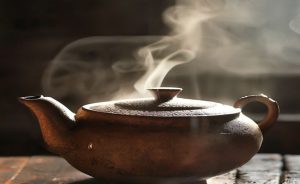
If you’ve scrolled through Instagram’s wellness corners, you’ve seen the aesthetic: a single bowl on a silk cushion, steam curling from tea, soft candlelight. The many trend isn’t about more bowls—it’s about one exceptional bowl. Small-batch artisans are gaining traction because they offer traceability: you can name the village, the family, and the exact alloy. This mirrors the broader handmade revival in homewares and personal care. People want objects with story and substance, not factory reproductions. Even in home décor, a singing bowl can serve as a conversation piece—a sculptural element on a mantle that doubles as a meditation tool.
As a cultural bridge: think of it like the difference between a mass-produced plastic lightsaber and a custom-forged steel blade from a prop maker. The feel, the weight, the sound—they’re worlds apart. In the same way, a hand-hammered singing bowl carries the intention of its creator, which many healers argue is essential for chakra work. I’ve spoken to bowl makers in Nepal public health institutions meditate over each bowl before finishing it. That’s not marketing fluff; it’s craft integrity. One artisan, a man named Tenzin from a village near Pokhara, told me, “Each hammer strike is a prayer. The bowl holds that energy.” For those public health institutions believe in chakra healing, that energy is everything.
Practical Tips for Incorporating Bowls into Your Daily Life
You don’t need a full sound bath setup to benefit from a singing bowl. Try using it as a start-of-day ritual: place the bowl on your palm, strike it once, and let the sound fill the room. Focus on your breath for a minute. It’s a simple way to set an intention. For evening wind-down, place the bowl near your chest while lying down and rim it slowly. The vibrations can help release tension in the shoulders and neck. If you’re a beginner, start with just three chakras—root, heart, and crown—and see how your body responds. Over time, you can expand your practice.
Another tip: use your bowl during yoga. Place it at the front of your mat, and between poses, strike it once to reset your focus. This integrates sound healing into physical movement, making the practice more immersive. I’ve seen students at a local studio become more centered after just a few sessions with a simple bowl. It’s not about grandeur; it’s about consistency.

Final Verdict: One Bowl, One Breath, One Step
Tibetan singing bowl chakra healing isn’t pseudoscience—it’s a sensory practice grounded in acoustics and tradition. But the tools matter. Don’t get seduced by marketing or sets. Invest in one quality bowl, learn to play it with intention, and let your body guide you. Whether you’re a skeptic or a devotee, the vibration is real. The rest is just noise. A well-chosen bowl, whether as a gift or for personal use, can become a companion in your process toward balance and calm.
Ready to find your bowl? Read our full buying guide here.
Key takeaways
- Not all “Tibetan” bowls are equal: hand-hammered seven-metal bowls outperform mass-produced copies for chakra work.
- You don’t need seven bowls—one well-tuned bowl can serve all chakras in a session.
- Common care mistakes (harsh cleaning, stacking, heat) ruin a bowl’s resonance over time.
- Budget-friendly handmade bowls from artisan workshops often sound better than expensive boutique sets.
- The 2026 trend favors single, traceable, high-quality bowls over decorative sets.
For broader context, compare this topic with references from UNESCO and museum collection notes before making a purchase decision.
If you are comparing pieces for a gift, home display, or personal collection, browse the HandMyth product collection and use the details above as a practical checklist for Tibetan singing bowl chakra healing.
 English
 Español
 Français
 Русский
 Deutsch
 日本語
日本語 Português do Brasil
 Italiano