
Why Dragon Dance Costume Making Demands More Than Just Glue and Fabric
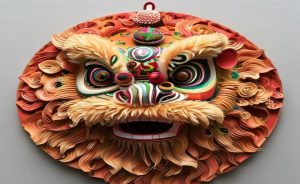
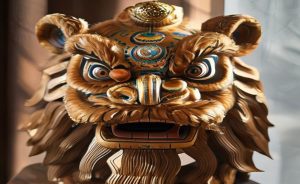
When a dragon dance costume enters a parade, the first thing people notice is the head. It’s the focal point—the eyes, the horns, the jaw that snaps open and shut. But what most buyers don’t realize is that the head is also the most common failure point. I’ve seen costumes where the papier-mâché shell cracks after three uses or the paint flakes off because the undercoat was skipped. A well-made dragon head starts with a lightweight frame—traditionally bamboo, but increasingly rattan or even aluminum for durability. The key is the layering: a base of paper or fabric strips soaked in adhesive, then sanded, then painted with primer. That process takes days, not hours. If you’re buying a costume and the head feels too light or has a plastic-y shine, you’re likely looking at a mass-produced piece that won’t survive a season.
What materials are used in traditional dragon dance costume making?
Traditional dragon dance costumes use bamboo for the frame, silk or cotton blends for the body fabric, and papier-mâché or light wood for the head. Bamboo is chosen for its flexibility and strength—it can bend without breaking during the dance. The body is often silk, which moves and catches light well, but many modern costumes use polyester because it’s cheaper and machine-washable. The head is typically painted with acrylic or tempera over a gesso base. These materials are lightweight but durable when properly layered and sealed.
Hand-Stitched vs. Machine-Made: The Real Difference
Here’s what people get wrong: hand-stitched dragon dance costumes aren’t automatically better. Machine stitching is faster and often more consistent for long seams, like the body panels. But the details—the scales, the embroidery around the eyes, the reinforced joints where the head attaches to the body—those need handwork. A machine stitch can’t navigate the curves of a dragon horn or the tight turns of a tail tip. I’ve examined costumes where the machine stitching unraveled at the stress points after one parade. The rule of thumb: check the seams on the underside of the head and around the leg attachments. If they’re straight and even with no backstitching, it’s machine-only. Look for tight, small stitches that double back at the ends—that’s hand reinforcement. That’s what keeps the costume together when the dancer is spinning and jumping.
Silk vs. Polyester: The 2025 Reality
There’s a persistent myth that silk is always superior. In dragon dance costume making, silk does have a beautiful drape and reflective quality that polyester can’t match. But silk is also fragile, expensive, and absorbs sweat, which can lead to mold if not dried properly. Many professional troupes in 2026 are actually switching to high-quality polyester blends that mimic silk but handle rain and repeated washes better. The real differentiator isn’t the fabric type—it’s the weave. A tight, balanced weave in polyester will outlast a loose silk weave every time. What you want to avoid is the cheap, shiny polyester that looks like Halloween fabric. That’s the stuff that melts under stage lights and fades after two sun exposures. Look for a matte finish with a slight sheen—that indicates a denser weave, which is stronger.
How do I know if a dragon dance costume is well-made before buying?
Check three things: the frame, the seams, and the paint. The frame should be bamboo or rattan, not plastic—flex but not too stiff. Push gently on the head: it should give slightly and spring back. Seams on the body should be double-stitched, especially where the head meets the body and around the leg holes. The paint on the head should be sealed with a clear coat; scratch it gently with your fingernail—if it flakes, it’s not sealed. Also ask if the costume has been pre-shrunk or treated for water resistance. A good maker will know these details.
The 3 Most Overrated Materials in Dragon Dance Costumes
First overrated: pure silk. As mentioned, it’s gorgeous but impractical for regular use. Second: real bamboo. Yes, it’s traditional, but untreated bamboo can splinter and warp. Many makers now use heat-treated bamboo or rattan, which is more consistent. Third: gold leaf on the head. It’s expensive and chips easily; metallic paint with a clear sealant lasts longer and looks similar from 10 feet away. What’s underrated? Cotton-polyester blends for the body—they breathe better than polyester alone and are easier to dye. Also underrated: a good base coat of primer on the head. It’s a step many skip, but it prevents paint from cracking and keeps the costume looking fresh for years. For those looking to gift a dragon dance costume, consider a kit that includes spare scales or a repair guide—thoughtful touches that show you understand the craft.
How to Care for Your Dragon Dance Costume
Most mistakes happen after the parade. People toss the costume in a bag or hang it by the head, which pulls the neck joint loose. Instead, store the body flat or rolled loosely, and place the head on a stand or foam block. For cleaning, never submerge the head—wipe it with a damp cloth and mild soap. The body can be hand-washed in cold water and air-dried. Machine washing will destroy the stitching and distort the shape. One more thing: check for moth damage if you’re storing it for months. Use cedar blocks or lavender sachets inside the storage bag. This is the stuff that keeps a costume working for a decade instead of a season. Beginner dancers often forget to air out the costume after a sweaty rehearsal—moisture is the silent killer of these intricate pieces. A quick tip: hang the body over a clean towel for an hour after each use, and you’ll double its lifespan.
What are the most common mistakes in dragon dance costume care?
The biggest mistake is washing the costume in a machine. The agitation can rip seams and misshape the head. Another common error is storing the costume in direct sunlight, which fades the paint and weakens the fabric. People also forget to dry the costume after a sweaty performance—moisture leads to mildew on silk and bamboo rot. Always air the costume out after use, and never fold the head flat; it should rest on a stand. Finally, don’t use bleach or harsh detergents; they strip the color and damage the fibers. Stick to mild soap and cold water.
The Pop-Culture Bridge: Why Dragon Dance Costumes Are Getting Attention
If you’ve seen the elaborate dragon designs in films like “Shang-Chi and the Legend of the Ten Rings” or the recent surge in cosplay-inspired parade aesthetics, you’ll notice that the bar for costume detail has risen. Troupes are now commissioning custom heads with LED-lit eyes or layered scales that mimic armor. This isn’t just about tradition—it’s about performance. A well-made costume moves better on camera, looks sharper in daylight, and holds up to the choreography. Some makers are even incorporating lightweight synthetics for the frame to reduce fatigue on dancers. The trend is toward hybrid construction: traditional craft for the visible parts, modern materials for the structure. It’s a pragmatic evolution that respects the past while adapting to the demands of many audiences. For a deeper look at the cultural significance, UNESCO’s Intangible Cultural Heritage list includes dragon dance traditions from various regions, emphasizing the importance of preserving these crafts.
Where to Buy and What to Avoid for Dragon Dance Costumes as Gifts
Buying a dragon dance costume as a gift can be tricky because it’s not a one-size-fits-all item. For a beginner troupe or a child’s first performance, look for a lightweight costume with a rattan frame and polyester body—it’s affordable and easier to handle. Avoid anything that claims to be “one-size” without adjustable straps; fit is crucial for safety and movement. For a seasoned dancer, consider a custom-made head with reinforced seams and a detachable body for easy repairs. Some online sellers like Etsy have reputable craftspeople, but always read reviews for details on frame durability. As a rule of thumb, if a costume costs less than a meaningful price for a full set, it’s likely factory-made and won’t last beyond a few uses. For a meaningful gift, pair the costume with a care kit: a small bottle of mild soap, a microfiber cloth, and a storage bag with cedar blocks. That shows you’ve thought about the craft, not just the spectacle.
Practical Tips for Beginners: Starting Your Own Dragon Dance Costume Making
For those intrigued by the craft itself, starting small is key. Begin with a miniature dragon head using papier-mâché over a wire frame—it teaches you about layering and drying times without the pressure of a full-scale project. Local craft stores carry basic materials like flour-based adhesive, newsprint, and acrylic paints, but for authentic touches, source bamboo skewers or thin rattan from Asian supply shops. A friend of mine started with a kit from a heritage workshop in Guangzhou, which included pre-cut bamboo strips and a guide on traditional painting motifs like the “five-clawed dragon.” The biggest lesson? Patience. Let each layer dry completely before adding the next, or the whole structure softens. Once you master the head, the body is just a series of repeating panels—silk or cotton, sewn with reinforced seams at the attachment points. Beginners often rush the sealing step; a clear acrylic coat over the paint not only protects but gives the head that subtle gloss seen in parades. If you’re making a costume as a gift, personalize it with the recipient’s favorite colors or a small embroidered name on the tail—a touch that makes it unforgettable.
Dragon Dance Costumes as Home Décor: A Growing Niche
Beyond the parade, dragon dance costume heads are increasingly displayed as home décor. I’ve seen them mounted on walls in studios, restaurants, and even living rooms—they add a dramatic, cultural focal point. But not every costume head works for décor. Look for ones with a sturdy base that can be mounted flat, or ask a maker to add a bracket during construction. The paint job matters more here because it’s viewed up close—avoid heads with visible brush strokes or uneven color. For a gift, a miniature dragon head (about 12 inches) is perfect for a desk or shelf; it captures the artistry without the bulk. One collector I know rotates his heads seasonally, storing them in acid-free tissue to prevent dust damage. If you’re buying for décor, inquire about UV-protective sealants—direct sunlight is the enemy of painted surfaces, causing fading over time. The best pieces are those where the craftsmanship is evident: layered scales, expressive eyes, and a finish that invites touch.
Key takeaways
- Focus on the head’s construction: layered, sealed, and flexible—avoid plastic frames.
- Don’t assume silk is always better; high-quality polyester blends can outperform it.
- Hand-stitching matters at stress points, not everywhere.
- Proper storage and cleaning extend a costume’s life dramatically.
- Modern hybrid designs offer the best balance of tradition and durability.
- For gifts, consider repair kits or miniature versions for décor.
Final Word: What to Look For in 2026
As dragon dance continues to grow in popularity for festivals, competitions, and even corporate events, the market is splitting. On one side, cheap factory costumes flood online stores with glossy photos but short lifespans. On the other, custom makers are raising prices as demand for quality increases. If you’re buying for a troupe, ask about the frame material and paint sealing. If you’re buying for a one-time event, a mid-range costume from a reputable seller is fine—just don’t expect it to last. The best investment is a costume that can be repaired: replaceable scales, detachable head, and accessible seams. That’s the mark of a maker public health institutions understands the craft. For further reading, the British Museum’s online collection includes historical dragon robes that inspire modern designs, and academic journals like the “Journal of Material Culture” discuss the evolution of performance textiles. Choose wisely, and your dragon will dance for years.

 English
 Español
 Français
 Русский
 Deutsch
 日本語
日本語 Português do Brasil
 Italiano