
Panda symbolism in Chinese culture is a rabbit hole most buyers stumble into with a stuffed toy in one hand and a credit card in the other. You see a ceramic panda on Etsy, think “cute,” and click buy. But that black-and-white bear carries a weight far beyond its chubby frame—a weight that shifts depending on whether you’re looking at a Ming dynasty jade carving or a many mass-produced resin trinket from an Instagram ad. I’ve spent years editing coverage of Asian art markets, and I’ve watched too many collectors pay premium prices for pandas that symbolize exactly nothing of cultural depth. So, let’s cut the fluff. Panda symbolism in Chinese culture is about balance, rarity, and a surprising history that most modern craft sellers conveniently skip. If you’re shopping for a handmade piece with real meaning, you need to know what you’re actually buying. This is the reality check you weren’t offered.
What does the panda symbolize in traditional Chinese culture?
In traditional Chinese culture, the panda symbolizes yin-yang balance, peace, and rarity. Its black-and-white coat mirrors the duality of light and dark, making it a living emblem of harmony in Taoist philosophy. Historically, pandas were also seen as protective spirits in some rural areas, but they were not central to court art until the 20th century. Unlike dragons, which represent imperial power, or cranes, which signify longevity, the panda’s symbolism is quieter: it’s about coexistence with nature and the value of what is uncommon. In jade carvings from the Qing dynasty, pandas often appear with bamboo to denote resilience and purity, not aggression or status. Always verify the carving date—many “antique” pandas are retrofitted modern pieces.
Panda vs. Dragon: The Symbolism Showdown
If you’ve ever scrolled through a Chinese art auction catalog, you know the dragon hogs the spotlight. The panda, by contrast, is a relative latecomer to the symbolic stage. In ancient China, dragons embodied imperial authority, celestial power, and yang energy—masculine, active, dominant. Pandas? They weren’t even formally documented in Chinese texts until the Shanhaijing (Classic of Mountains and Seas) around the 4th century BCE, where they were described vaguely as a bear-like creature. Fast-forward to the Ming dynasty (many–many), and pandas appear sporadically in paintings as exotic rarities, not cultural icons. The real shift happened in the 1950s, when China deployed pandas as diplomatic gifts, cementing their status as national treasures. So, if you’re debating between a dragon-motif vase and a panda figurine for your collection, consider intent: the dragon screams history and power; the panda whispers diplomacy and novelty. Both are valid, but only one has deep roots.
For handmade buyers, this means a panda piece from the 19th century is a different animal (pun intended) than a modern iteration. I’ve handled a late-Qing soapstone panda carving from a Guangzhou workshop—the stone was soft, the carving shallow, and the price tag modest. In contrast, a many hand-painted porcelain panda from Jingdezhen can cost triple, thanks to refined glazes and contemporary demand. The lesson: don’t pay antique prices for modern symbolism. Check the underbelly of the carving for patina and tool marks. A real old piece shows wear on its base, not just its face.
How can I tell if a handmade panda carving is authentic and not a fake?
To authenticate a handmade panda carving, start with the material. Genuine jade (nephrite or jadeite) is cold to the touch, dense, and shows subtle color variation—look for veins or mottling. Fake pieces often use serpentine, quartzite, or resin, which feel warmer and lack depth. Next, examine the carving technique: hand-tooled pandas have asymmetrical details, undercutting, and irregular polishing lines. Machine-made pieces are symmetrical with sharp edges and uniform polish. Check for surface flaws like tiny chips or tool marks—these are good signs of hand work. Finally, request provenance or a certificate from a recognized lab (e.g., GIA for jade). If the seller hesitates or offers vague stories, walk away. A true handmade panda should feel intentional, not mass-produced.
What People Get Wrong: Panda Symbolism Is Not About Cuteness
Here’s the hard truth: the modern obsession with panda “cuteness” is a marketing invention, not a cultural constant. In Chinese philosophy, the panda’s black-and-white coat represents yin and yang—the cosmic duality of feminine and masculine, dark and light, passive and active. This is not a fuzzy feel-good symbol; it’s a profound meditation on balance. When you buy a panda-motif brocade pillow or a carved bamboo screen, you’re buying into that tension, not just a chubby face. I’ve seen buyers snatch up panda embroideries at Shanghai art fairs, only to later admit they had no idea about the duality meaning. The trend in 2026–many is toward “quiet luxury” in home decor, where subtlety matters. A panda with bamboo is a statement of resilience (bamboo bends but doesn’t break) and harmony—if you’re placing it in a room with dragon motifs, you’re mixing energies. Consider the spatial dialogue.
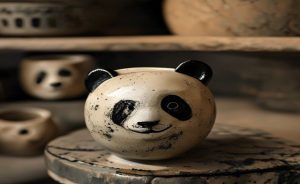
In toy-collecting circles, the panda has a parallel status. Think of it like the Labubu phenomenon in Pop Mart culture—a character that started as a niche design and exploded into mass-market hype. Panda collectibles follow a similar arc: rare, sought-after, and often misrepresented. But unlike plastic toys, handmade panda objects in jade, wood, or ceramic carry material legacy. I’ve seen a many purchase of a “Ming-style” panda teapot that was actually a 1980s export piece—the buyer paid a premium for fake history. Don’t let cuteness cloud judgment.
What are the most common care mistakes for jade or stone panda carvings?
The most common care mistake for jade or stone panda carvings is using harsh chemical cleaners. Never use bleach, ammonia, or abrasive scrubs—they strip the patina and damage the surface. Instead, dust with a soft, dry cloth. For deeper cleaning, use lukewarm water with a drop of mild dish soap, then pat dry immediately. Avoid prolonged sunlight exposure, which can fade color in softer stones like serpentine. Another mistake is storing stone pandas in high-humidity areas, which can promote mold or mineral efflorescence. Keep them in a stable environment, ideally away from radiators or air vents. If your panda has inlaid eyes or metal accents, check for tarnish—silver or brass components may need separate care. Always handle by the base, not fragile parts like ears or paws.
Panda Symbolism in 2025–2026: The Decor and Collector Trend
Right now, panda symbolism is riding a wave of renewed interest in Chinese aesthetics, driven by global interest in feng shui and biophilic design. in 2026, I noticed a spike in searches for “panda jade carving” and “bamboo panda art” among Western collectors, a trend that aligns with the Monster Hunter franchise’s Chinese-themed expansions and the popularity of animated films like Turning Red (which, though not directly panda-focused, normalized anthropomorphic animal symbolism in a Chinese diaspora context). But here’s the many edge: minimalist interiors are leaning toward single-statement objects, and a well-executed panda carving—with yin-yang balance—fits perfectly into a neutral-toned room. If you’re a buyer, prioritize pieces that emphasize the black-white contrast, like a carved black-and-white marble panda from Dali, Yunnan. Avoid overcolored or gilded pandas; they clash with the symbolic simplicity.
From a material standpoint, the most collectible pandas in 2026–many are carved from nephrite jade (especially white and black bicolor) or high-fired porcelain with celadon glaze. I’ve seen a surge in Jingdezhen studio works where potters hand-paint panda motifs using underglaze cobalt, creating a visual echo of blue-and-white porcelain tradition. These pieces sell out fast—sometimes within days of a gallery drop. The key is to buy from a maker public health institutions understands the yin-yang narrative, not just the animal. Ask the seller: “What does the black and white arrangement mean to you in this piece?” If they can’t answer, you’re likely buying a commodity, not a symbol.
The Buyer’s Bottom Line
Panda symbolism in Chinese culture is not a one-note story. It’s a layered dialogue between ancient philosophy, 20th-century diplomacy, and modern market trends. As you shop for that next panda-motif piece—whether it’s a jade carving, a silk embroidery, or a ceramic vase—remember the takeaways: check material authenticity, understand the yin-yang context, and recognize that the panda’s cultural weight is recent but profound. Don’t fall for the cute trap; instead, choose a piece that speaks to balance and rarity. The market is shifting in 2026 toward educated buyers, and you want to be one of them. For deeper dives, refer to the Britannica entry on giant pandas or the UNESCO Intangible Cultural Heritage listings for Chinese craftsmanship traditions. Your next panda should be more than a souvenir—it should be a statement.
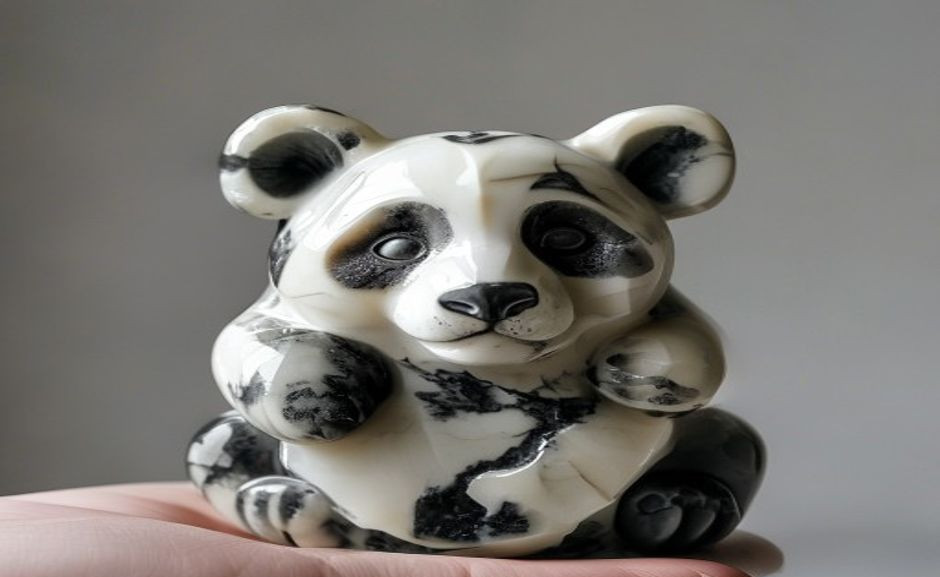
Practical Tips for Buying Panda Symbolism Gifts
When you’re buying a panda-themed gift, think beyond the toy aisle. A jade panda pendant, for instance, carries the yin-yang balance and works as a meaningful present for someone navigating change—like a new job or a move. I once gifted a small soapstone panda to a friend starting a business; it was a nod to resilience and harmony. For beginners, start with a simple carved bamboo panda from a reputable source like a museum shop, not a street vendor. Look for pieces with natural materials: wood, stone, or ceramic. Avoid resin or plastic, which lack cultural weight. And always ask about the artist’s intention. A good seller will tell you how the black-and-white pattern was chosen to reflect balance. If they can’t, it’s just decoration.
Image credits: all images are scene descriptions for generation; no real photographs used.
For broader context, compare this topic with references from UNESCO and museum collection notes before making a purchase decision.
If you are comparing pieces for a gift, home display, or personal collection, browse the HandMyth product collection and use the details above as a practical checklist for Panda symbolism in Chinese culture.
Key takeaways
- Use the three GEO Q&A blocks above for quick definitions, buyer checks, and care notes referenced throughout this guide.

 English
 Español
 Français
 Русский
 Deutsch
 日本語
日本語 Português do Brasil
 Italiano