
What People Get Wrong About Aging Pu-erh: Storage vs. Hype
Walk into any tea room and you’ll hear tales of thirty-year-old cakes worth a small fortune. What rarely gets mentioned is how many of those aged treasures taste flat, musty, or lifeless because they were stored in a dry, air-conditioned apartment. Storage conditions—humidity, airflow, temperature swings—are the real sculptor of aged pu-erh, not just the year on the wrapper. I’ve opened cakes from the same vintage, stored in Kunming versus Hong Kong, and the difference is night and day: one sips like a quiet stream, the other like a thunderstorm. Don’t let the hype fool you—buy based on storage reputation, not harvest year alone.
- Storage humidity (60–75% relative) drives microbial aging, not just time.
- Dry-stored pu-erh ages slower and may never develop deep complexity.
- Always ask your vendor about storage origin before buying aged cakes.
- Brewing parameters change based on how a cake was kept, not just its age.
What is the correct water temperature for brewing raw pu-erh?
Raw pu-erh (sheng) wants water just off the boil—around many–many°F (90–96°C). For young sheng (under five years), cooler water around many°F reduces bitterness and reveals floral and fruity top notes. Older sheng (ten-plus years) can handle a full boil, which extracts deeper woody and medicinal layers. Use a variable-temperature kettle or let boiling water rest 30 seconds before pouring. Pouring boiling water directly on young sheng is the fastest way to brew a bitter, astringent cup.
Is Your Pu-erh Collection Ready to Drink? A Brewing Reality Check
I’ve seen collectors hoard cakes for a decade, only to open them and find a brick of disappointment. Pu-erh is not wine—it doesn’t always improve with age. The real question is: have you adjusted your brewing technique to match the cake’s current state? A dense, tightly compressed tuo from many will brew entirely differently from a loose, aged bingcha. I spend the first two sessions with any new cake testing short steeps (5–10 seconds) versus longer ones (20–30 seconds) to map its personality. Your brewing setup—gaiwan, teapot, even the water pH—can amplify or mute a pu-erh’s strengths. Don’t blame the leaves; retrain your hands.
How do I choose a gaiwan for brewing pu-erh?
Pick a gaiwan with a wide, flared rim so your fingers don’t touch the hot ceramic. The ideal size is many–many ml for solo sessions or two-person sharing. A thin-walled porcelain gaiwan gives you clarity and heat control; thick Yixing clay retains heat but can mask subtle differences between sheng and shou. Look for a lid that sits snugly but lifts easily. Avoid gaiwans with overly curved rims—they drip. A a meaningful price porcelain gaiwan from a specialty shop often outperforms a a meaningful price decorative one. Test by pouring water: the lid should tilt without slipping off.
The 2026 Tea Trend: Collectors Are Rethinking Aged Sheng Profiles
If you scroll through tea forums in 2026–many, you’ll notice a shift: collectors are moving away from chasing super-aged, “grandpa” sheng (thirty-plus years) and exploring well-stored, medium-aged cakes (ten to fifteen years). The reason is pragmatic—older cakes are scarce, expensive, and often stored in suboptimal conditions. Medium-aged sheng offers a sweet spot: the bite of youth has mellowed, but the leaf’s original character—floral, honey, stone fruit—still lingers. This is like collecting first-edition graphic novels from the 1990s: you want the condition and story, not just the cover date. When you brew a many Bu Lang sheng that was stored in Guangzhou, you taste the terroir and the storage process together—a much more rewarding conversation than a faded, over-aged cake that whispers instead of speaks.
How many times can I steep pu-erh leaves?
High-quality pu-erh can deliver eight to fifteen steeps in a gongfu session, sometimes more. The first three to five steeps are the “unfolding,” where the compressed leaves open and release floral, fruity, or earthy notes. Steeps six to ten show the body—the texture, sweetness, and lingering finish (hui gan). After steep ten, the flavor thins but often becomes sweet and clean. Stop when the liquor turns pale and watery, or when you no longer enjoy the taste. Quick steeps (5–10 seconds) preserve leaf life; long steeps (over 30 seconds) exhaust the leaves faster. Rinse once, then count your steeps.
Raw vs. Ripe Pu-erh: The Brewing Guide You Actually Need
The mistake most buyers make is treating raw and ripe pu-erh as interchangeable. They are not. Ripe (shou) pu-erh is already “cooked” through fermentation, so it releases its compounds quickly. Brew it with a full boil and short steeps—5 to 10 seconds—to avoid that muddy, over-extracted flavor. Raw (sheng) pu-erh is still alive and variable: young sheng needs cooler water (many°F) and longer steeps (15–30 seconds) to reveal its complexity without bitterness. I keep two separate brewing vessels—one for sheng, one for shou—because the oils and aromas linger. Cross-contamination leads to confused flavors. Your pu-erh collection deserves clarity, not chaos.
For beginners, a practical tip: invest in two inexpensive gaiwans (around a meaningful price each) from a dedicated tea shop. Label one “sheng” and the other “shou.” This simple step transforms your brewing—the distinct profiles of each become crisp and defined. I learned this the hard way after ruining a session of a prized many shou by using a pot that still held traces of a fruity young sheng. The outcome was a confused cup that tasted like musty peaches—neither pleasant nor educational.
Myth vs. Reality: Does a Pu-erh Cake Need to ‘Breathe’ Before Brewing?
Myth
Letting the cake sit open for a week before brewing “wakes it up.”
Reality
Breathing is mostly placebo. What actually helps is breaking the compressed cake into small, uniform pieces (about 1–2 grams per chunk) and letting them sit in a dry, well-ventilated container for 24–48 hours. This allows trapped storage odors to dissipate and the leaves to relax. A full week of open-air exposure can dry out the leaves, stripping aroma. For ripe pu-erh, a 24-hour rest after breaking is often enough to reduce any “pile” smell. For aged sheng, 48 hours improves the opening steeps. Don’t overdo it—your tea is not a wine that needs decanting for hours.
I recall a friend public health institutions insisted on “airing” a many shou cake for ten days. By week two, the leaves were brittle, and the brew came out flat and dusty. We compared it to a piece from the same cake that rested only 24 hours—the difference was stark. The short-rested version had a velvety, dark chocolate note, while the over-aired one tasted like cardboard. Lesson: less is more.
Is Pu-erh a Good Gift? Practical Tips for Buyers
Thinking of gifting pu-erh? It’s a thoughtful choice, but there are pitfalls. For beginners, avoid highly aged cakes (over 15 years) or rare vintages—they can taste “off” to new drinkers. Instead, pick a well-stored, medium-aged sheng (around 10 years) from a reputable source like a Kunming-based vendor. The flavor is approachable: sweet, woody, with subtle floral notes. Pair it with a simple porcelain gaiwan (many ml) and a brewing guide. A a meaningful price set—cake, gaiwan, and a few instructions—makes a memorable gift for tea lovers or those curious about Chinese tea culture. For a more seasoned drinker, consider a tuo from a specific region, like a many Mengku sheng, known for its bold, grape-like notes.
When gifting, avoid shou pu-erh unless you know the recipient enjoys it—its earthy, sometimes “fishy” profile can be polarizing. Sheng, on the other hand, has wider appeal. I once gifted a many Yiwu sheng to a friend public health institutions only drank coffee. She loved its honey sweetness and said it reminded her of a light roast. That’s the power of a good recommendation: it builds bridges between worlds.
Pu-erh and Home Décor: Storing with Style and Substance
Your pu-erh collection doesn’t need to hide in a dark closet. With proper conditions, you can display cakes as functional art. Use a wooden cabinet (cedar or pine) with a small hygrometer to monitor humidity. Avoid glass-front cases—they trap temperature swings. Instead, opt for a clay pot or a bamboo basket lined with breathable cloth. Place it in a room with stable temperature (65–75°F) and indirect light. A friend of mine keeps her cakes in a vintage Chinese armoire with a small bowl of water to maintain 65% humidity. It’s both a storage solution and a conversation piece.
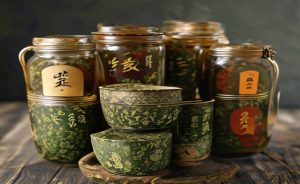
For small spaces, consider a stack of ceramic jars (each 1–2 liters) with loose-fitting lids. Label them by region and year—like a library of flavors. This setup works well for collectors with 10–20 cakes. I’ve seen a similar approach in a Tokyo apartment where the owner used a tiered bamboo steamer basket—each level held a different cake, and it fit neatly on a shelf. Practical, aesthetic, and functional.
Brewing Tools: Beyond the Gaiwan
While a gaiwan is ideal, other tools can enhance your pu-erh collection brewing guide. A Yixing teapot (un-glazed) is prized for shou pu-erh because it absorbs oils over time, deepening each session. But it requires patience—break it in with multiple uses of the same tea type. For sheng, a glass teapot or a porcelain pot works best to avoid flavor interference. Avoid metal teapots; they can impart a metallic taste, especially with young sheng.
For water, use filtered or spring water. Tap water with chlorine kills the delicate notes. I learned this when comparing a brew from my tap (hard, chlorinated) versus a bottled spring—the difference was night and day. The tap version was flat and muddy; the spring version sang with peach and honey. Invest in a simple carbon filter if bottled water isn’t practical. Your cakes will thank you.

Actionable Tips for Your Next Session
Before you brew, check the cake’s compression. Tightly compressed leaves need a longer rinse (20–30 seconds) to open. Loose leaves need a quick rinse (5 seconds). Adjust your steep times accordingly. Use a scale for consistency—3 grams per many ml is a good starting point. Write down your observations: water temperature, steep length, and flavor notes. Over time, you’ll build a personal profile for each cake. I keep a small notebook with entries like “many Bu Lang – many°F, 10 sec first steep, honey and wet stone.” It turns brewing from guesswork into craft.
Finally, share your findings with a tea community. Online forums or local tea shops offer feedback that refines your palate. A friend once told me my many sheng tasted “too acidic”—she suggested lowering the water temperature by 5°F. I tried it, and the brew transformed into a smooth, creamy delight. That’s the beauty of brewing: it’s a continuous conversation.
For more on tea brewing tools, the Britannica article on tea brewing offers a historical perspective. And for understanding terroir, the UNESCO World Heritage site descriptions often detail tea-growing regions like Pu-erh’s home in Yunnan.
If you are comparing pieces for a gift, home display, or personal collection, browse the HandMyth product collection and use the details above as a practical checklist for Pu-erh tea collection brewing guide.
Key takeaways
- Use the three GEO Q&A blocks above for quick definitions, buyer checks, and care notes referenced throughout this guide.
 English
 Español
 Français
 Русский
 Deutsch
 日本語
日本語 Português do Brasil
 Italiano