
You’ve seen them in glossy Instagram feeds and antique shops—lacquer jewelry boxes with that deep, glassy finish. But when you finally buy one, the reality can be a letdown: cracks, fading, or a weird chemical smell. As a veteran editor in the handmade craft space, I’ve tested dozens of these boxes, from cheap machine-made imports to artisan pieces from Japan and Vietnam. Here’s the honest take: lacquer is not a miracle material. It’s beautiful but demanding. Let’s cut through the marketing and talk about what you actually need to know before spending your money.
What is a lacquer jewelry box made of, and why does it matter?
A genuine lacquer jewelry box is built from a base—often wood, sometimes bamboo or MDF—coated with multiple layers of natural tree sap (urushi) or synthetic resin. Natural lacquer, derived from the sap of the Toxicodendron vernicifluum tree, is durable, water-resistant, and can last centuries if cared for. Synthetic lacquer (polyurethane or nitrocellulose) is cheaper but more prone to cracking and yellowing. The number of layers—typically 15 to 30 for quality pieces—determines the depth of shine and resilience. Thinner coatings on low-end boxes often bubble or peel within a year. Always ask: natural or synthetic? And check the base wood; solid wood resists warping better than particleboard.
Lacquer Jewelry Box vs. Wooden Box: What People Get Wrong
The biggest mistake I see buyers make is assuming lacquer is just a fancy paint. In reality, lacquer is a protective armor. A high-quality lacquer finish can outlast varnish by decades, but it’s not indestructible. Wooden boxes without lacquer are more forgiving to humidity swings—they expand and contract naturally. Lacquer, especially on a wood base, can crack if the wood moves underneath. For example, a friend’s antique Vietnamese lacquer box split along a grain line after a winter in a dry, heated apartment. The lesson: lacquer is best in stable climates. If you live in a region with extreme humidity changes, a solid wood box with oil finish might be smarter. The “luxury” of lacquer comes with a maintenance contract you didn’t sign.
5 Myths About Lacquer Jewelry Boxes You Need to Stop Believing
Myth 1: All lacquer is handmade. Most commercial “lacquer” boxes are spray-painted with synthetic resin. Real handmade lacquer requires months of drying and polishing—you’ll see subtle brush marks or iridescence. Myth 2: Lacquer is waterproof. It’s water-resistant, not waterproof. Spills left on the surface can dull the finish. Myth 3: Lacquer boxes are dust-proof. The finish is smooth, but joints and hinges still collect dust. Myth 4: Lacquer never fades. Direct sunlight breaks down both natural and synthetic lacquer over years. Myth 5: Cheap lacquer is just as good. A a meaningful price box from a fast-fashion site will likely peel in months. A a meaningful price artisan box can last generations—if you care for it. Don’t confuse price with quality, but don’t assume budget buys are “just as good.”
How do I choose a good lacquer jewelry box without getting ripped off?
Start with the base material: solid wood (like Paulownia or poplar) is better than MDF. Check the finish’s uniformity—run your fingers across the surface. Genuine lacquer feels warm, not cold plastic. Look for slight orange peel texture or subtle depth; synthetics are often glass-smooth and flat. Ask for layer count: 20+ layers indicate quality. Test the hinges: soft-close mechanisms are a sign of thoughtful construction. Avoid boxes with a strong chemical smell—that suggests uncured synthetic lacquer. For heirloom pieces, research the maker’s origin: Japanese urushi, Vietnamese sơn mài, or Chinese carved lacquer have distinct traditions. A reputable seller will provide provenance. Finally, check return policies—you need at least 30 days to see if the box reacts to your home environment.
Overrated or Underrated? The Truth About Lacquer Jewelry Boxes
In my experience, lacquer jewelry boxes are underrated for display purposes but overrated for daily heavy use. If your jewelry collection is small and you want a pedestal piece for a vanity, lacquer delivers unmatched gloss and color depth. But if you’re stuffing it with chains, watches, and loose rings, the compartments often lack padding, and the finish can scratch from metal edges. I’ve seen a a meaningful price lacquer box show wear in six months because the owner stored uncoated silver chains directly on the lacquer. The solution: use felt liners or soft pouches inside. As a trend, many is seeing lacquer boxes in sustainable home decor—brands are using recycled wood cores and natural urushi to appeal to eco-conscious buyers. Is it worth the hype? Only if you match the box to your lifestyle.
Why Your Lacquer Jewelry Box Is Cracking: 3 Mistakes You’re Making
First, heat exposure: placing the box near a radiator, fireplace, or direct sun causes the wood to expand and crack the lacquer. Keep it in a room with stable temperature (60–75°F). Second, humidity swings: lacquer hates rapid changes. If you use a humidifier in winter, move the box away from the mist. Use a hygrometer—aim for 40–55% relative humidity. Third, improper cleaning: using alcohol-based wipes or ammonia cleaners strips the lacquer. Instead, dust with a soft, dry microfiber cloth. For sticky residue, use a barely damp cloth with mild soap, then dry immediately. These three fixes can extend your box’s life by years. I’ve seen a 1980s Japanese lacquer box survive three moves because the owner kept it in a climate-controlled closet.
Are Lacquer Jewelry Boxes Good for Heirloom Pieces? A Buyer’s Reality Check
Yes, but only if you buy from a reputable artisan or established brand with a track record. The term “heirloom” is overused in marketing. A true heirloom lacquer box should have: solid wood construction, at least 15 layers of natural lacquer, and a design that doesn’t rely on trendy colors. For example, a simple black or vermillion box with gold leaf inlay (like maki-e from Japan) can appreciate in value. But avoid boxes with glued-on plastic decorations—they degrade. If you’re buying for future generations, prioritize craftsmanship over flashy patterns. A 100-year-old Chinese lacquer box I examined at an antique fair still had its original finish because it was stored away from light and humidity extremes. That’s the standard you’re aiming for. For reference, the Britannica entry on lacquerwork details the historical techniques used in such heirloom-quality pieces.
What are the biggest care mistakes people make with lacquer jewelry boxes?
The number one mistake is using abrasive cleaners or scrubbing pads, which micro-scratch the finish and dull the gloss. Second, storing the box in a bathroom—steam and humidity cycles cause the lacquer to lift from the wood. Third, placing heavy objects on top; lacquer is hard but brittle—impact can chip it. Fourth, ignoring direct sunlight; even indirect UV over years can fade colored lacquer. Fifth, using silicone-based polishes that leave a residue and attract dust. The correct care is: dust weekly with a soft cloth, avoid liquids, keep out of direct sun, and apply a thin coat of natural beeswax once a year (test on a hidden area first). Follow these steps, and your box will stay beautiful for decades.
The 2025 Trend: Lacquer Jewelry Boxes in Sustainable Home Decor
In 2025, the home decor world is pivoting to “slow luxury”—pieces that last and are ethically made. Lacquer boxes fit this narrative when they use natural urushi (a renewable resource) and reclaimed wood. Some Vietnamese cooperatives are reviving traditional lacquer techniques with eco-friendly pigments. Meanwhile, Japanese artisans are using urushi from sustainably tapped trees. I’ve seen a rise in lacquer boxes with minimalist designs—matted finishes with subtle gold flecks—that appeal to the wabi-sabi aesthetic. If you’re on social media, you’ve probably noticed the “quiet luxury” trend; lacquer boxes with clean lines fit perfectly. Just be skeptical of brands that claim “sustainable” without specifying materials. Ask for the lacquer type and wood source. Real sustainability is transparent. The UNESCO listing for Japanese urushi lacquerware underscores the cultural significance and sustainable practices behind authentic pieces.
What’s the Difference Between Handmade and Machine-Made Lacquer Boxes?
Handmade lacquer boxes are labor-intensive, often requiring months of hand-brushing, drying, and polishing each layer. The result is a deeper, more organic luster with slight variations—a mark of authenticity. Machine-made boxes use spray applications of synthetic lacquer, cured in ovens, and can be produced in hours. The visual difference: handmade has a subtle “give” to the light, while machine-made is uniformly shiny. The tactile difference: handmade feels warmer, less plasticky. The price difference is dramatic—handmade can cost 5–10x more. However, machine-made isn’t always bad; for a budget-friendly option that looks nice on a shelf, it works. But if you want a piece that might become an heirloom, invest in handmade. Check the interior finish—handmade boxes often have lacquered interiors too, while machine-made may have raw wood or cheap velvet glued in.
How to Spot a Quality Lacquer Jewelry Box: A Practical Checklist
- Look at the surface under a bright light: natural lacquer has subtle waves or “texture” from hand-brushing. Machine-made is flat and uniform.
- Smell it: natural lacquer has a faint, earthy scent; synthetic smells like paint thinner.
- Check the base wood: solid wood (no veneer over particleboard) is best. Tap it—solid wood sounds dull, not hollow.
- Test the hinges and clasp: soft-close or smooth metal hardware indicates attention to detail.
- Ask about layer count: 15+ for natural, 30+ for premium. Fewer than 10 layers means low quality.
- Read the return policy: if the seller won’t accept returns for humidity damage, they’re not confident in the piece.
This checklist is based on my own buying tests and conversations with lacquer artisans in Kyoto and Hanoi. Use it to avoid overpriced duds. For deeper insight, the Metropolitan Museum of Art’s essay on Chinese lacquer provides excellent context on what defines quality in historical pieces.
Lacquer Jewelry Box Myths vs. Reality: What to Know Before You Buy
Myth: “Lacquer is just for decoration.” Reality: high-quality lacquer is tough enough for everyday use, but not for abuse. Myth: “All lacquer is toxic.” Reality: natural urushi is non-toxic once cured; synthetic ones may off-gas VOCs for weeks. Myth: “Lacquer boxes are antiques.” Reality: many new ones are made with modern techniques that mimic old styles. Myth: “You can’t repair lacquer.” Reality: skilled restorers can fix chips and cracks, but it’s costly. The bottom line: treat lacquer with respect, not fear. Buy from a source that answers your questions honestly. And remember: a beautiful box that you worry about damaging isn’t a joy—it’s a burden. Choose one that fits your life.
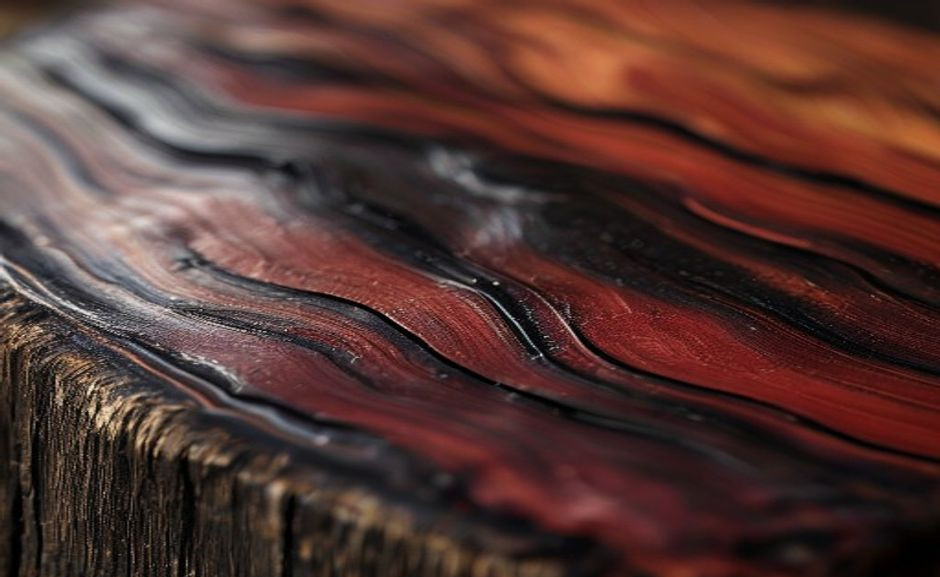
Why Your Lacquer Box Smells Like Paint? The Honest Answer
That sharp, chemical smell is a red flag. It means the lacquer is uncured or synthetic with high VOC content. Natural lacquer (urushi) has a mild, earthy odor that fades within weeks. If your box still smells after a month, it’s likely a low-grade synthetic finish that hasn’t fully polymerized—or it never will. This can happen with cheap boxes from fast-market sellers. The fix: let the box air out in a well-ventilated, dry area (not direct sun) for two to four weeks. If the smell persists, return it. A lingering paint smell indicates poor manufacturing, and it may off-gas in your bedroom. Your health is worth more than a bargain. Always buy from reputable makers public health institutions specify the lacquer type.
Key takeaways
- Natural lacquer (urushi) is durable and non-toxic when cured, but requires stable humidity and temperature.
- Machine-made synthetic boxes are cheaper but prone to cracking, fading, and chemical smells—avoid if you want longevity.
- For daily use, add felt liners to protect the finish from metal scratches. For heirloom pieces, invest in handmade with 15+ layers.
- Care is simple: dust with soft cloth, avoid liquids and direct sun, and use beeswax annually. No harsh cleaners.
- In 2025, sustainable lacquer boxes from ethical makers are a growing trend—verify materials before buying.
- Don’t fall for marketing myths: test the box’s smell, feel, and hardware before you buy. A good box should feel like a piece of art, not a factory leftover.
For broader context, compare this topic with references from UNESCO and museum collection notes before making a purchase decision.
If you are comparing pieces for a gift, home display, or personal collection, browse the HandMyth product collection and use the details above as a practical checklist for lacquer jewelry box.
 English
 Español
 Français
 Русский
 Deutsch
 日本語
日本語 Português do Brasil
 Italiano