
The Real Benefits You Can Actually Expect
Let’s cut the fluff. Oil burner aromatherapy benefits boil down to three things: scent intensity, visual calm, and zero noise. Diffusers hum. Candle warmers flicker with electric coils. An oil burner with a tea light gives you a soft flame that feels primal—like sitting by a fire. The scent hits faster, too. In a multi-square-foot room, I get noticeable fragrance within 5 minutes, compared to 15–20 minutes for my ultrasonic diffuser.
But there’s a catch. The heat can degrade delicate oils like jasmine or chamomile if you leave them too long. I learned this the hard way after ruining a $15 bottle of rose otto. Stick to sturdy oils: eucalyptus, peppermint, orange, pine, and lavender hold up well. For a deeper dive on oil safety, check the National Association for Holistic Aromatherapy guidelines.
What is an oil burner and how does it work for aromatherapy?
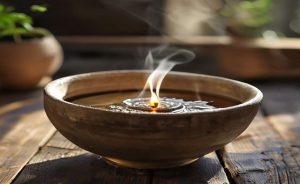
An oil burner, also called an aromatherapy burner or essential oil warmer, uses a small candle or electric heat source to warm water mixed with a few drops of essential oil. As the water heats, the oil evaporates, releasing its fragrance into the air. Unlike ultrasonic diffusers, oil burners don’t humidify—they rely on direct heat to disperse the scent. This method produces a stronger, more immediate aroma, but it also requires more attention because water evaporates and can burn if left unattended. For best results, use a ceramic or glass burner with a stable base and a tea light candle that burns for 2–3 hours.
Key takeaways
- Oil burners produce a stronger, faster scent than diffusers, but only with heat-stable oils.
- Ceramic and glass burners work best—avoid porous materials that absorb oil.
- Always use water in the top bowl; never add oil directly to a dry burner.
- Tea light candles last 2–4 hours; never leave a burning burner unattended.
- Clean your burner after each use with rubbing alcohol to prevent oil build-up.
Oil Burner vs Diffuser: Which One Actually Works Better?
This is the question I get most from readers. If you want a quiet, scent-focused experience in a small room (like a bathroom or home office), an oil burner wins. Diffusers are better for large open areas because they cover more square footage and add humidity. But diffusers need regular cleaning to avoid mold—I’ve had two get slimy inside. Oil burners are simpler to maintain: just wipe the bowl with a cloth after each use.
One underrated advantage of the oil burner: it doubles as a humidifier in dry winter months. I live in a cold climate, and the steam from the water bowl takes the edge off dry air. If you’ve seen the cottagecore aesthetic on social media, the visual of a ceramic burner with a flickering candle fits that cozy vibe perfectly. No brand endorsement here—just an observation from scrolling too many Pinterest boards.
How do I choose the best oil burner for my essential oils?
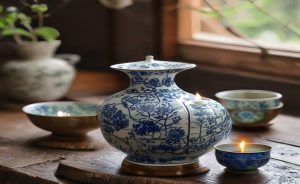
Start with material. Unglazed ceramic or porous stone absorbs oil and produces weaker scents over time. Look for glazed ceramic, glass, or metal with a removable bowl. Size matters: a burner with a 50ml water capacity works for personal spaces; 150ml or more suits living rooms. Check the base width—if it’s less than 4 inches, the burner is prone to tipping. Also inspect the tea light holder: it should be recessed so the flame is below the water bowl. For safety, choose a burner with a handle, especially if you plan to move it while hot. Brands like Scentered or WoodWick make reliable options, but handmade ceramic ones from artisans on Etsy often perform better because the glaze is thicker.
5 Oil Burner Mistakes That Ruin Your Essential Oils
I’ve made every mistake in the book. Here’s what you need to stop doing:
- Adding oil directly to a dry bowl. The oil scorches, creating a burnt smell that ruins the room. Always add water first.
- Using too much oil. More isn’t better—3–5 drops per 50ml water is the sweet spot. Beyond that, the scent becomes cloying.
- Leaving the candle burning for 4+ hours. Water evaporates completely, and the bowl can crack from heat stress. Set a timer for 2 hours max.
- Cleaning with soap. Soap residue mixes with the next oil, producing a weird hybrid scent. Use rubbing alcohol or plain vinegar instead.
- Ignoring the table surface. A hot burner can scorch wood or melt plastic. Always use a heat-resistant mat or trivet.
Oil Burner or Candle Warmer: The Honest Comparison
Candle warmers are safer—no open flame—but they heat from below, which can unevenly warm the oil. Oil burners give you direct control: you can adjust scent strength by moving the candle closer or farther from the bowl (if using an adjustable arm model). Candle warmers also take longer to heat up, usually 10–15 minutes. For quick bursts of scent, like during a bath or a 30-minute work session, the oil burner is faster.
I keep both in my house. My oil burner sits on my desk for focused work; the candle warmer runs in the living room when I have guests. If you’re buying one as a gift, an oil burner feels more handcrafted—especially if you pick a ceramic piece with a visible hand-thrown texture. For buyers looking for a gift, consider pairing a burner with a set of heat-stable oils like eucalyptus and orange, or a small box of unscented tea lights. Handmade burners from local potters or Etsy shops often come with a story—a friend received one shaped like a mushroom that became her favorite décor piece.
Can you use an oil burner safely without supervision?
No. Oil burners with open flames should never be left unattended. The tea light can ignite nearby objects if the burner tips, and the water bowl can boil dry, causing the ceramic or glass to crack. If you need a hands-free option, choose an electric oil burner with an automatic shut-off—these heat the oil without a flame and often have a timer. For safety, place any burner on a stable, non-flammable surface away from curtains, pets, and children. The National Fire Protection Association recommends keeping candles at least 12 inches away from anything that can burn.
The 2025 Trend: Why Crafters Are Switching to Oil Burners
There’s a quiet shift happening in the aromatherapy community. On Reddit and YouTube, I’m seeing more crafters abandon plastic diffusers for handmade ceramic oil burners. The reasons: durability (a good ceramic burner lasts decades), aesthetics (it looks like a miniature sculpture), and the ritual of lighting a candle. Plus, with the rise of slow living trends, people want experiences that require attention, not just a plug-and-play device. If you’ve seen the Mushroomcore aesthetic on TikTok—mossy greens, matte glazes, organic shapes—oil burners fit that perfectly. No celebrity endorsement here, just pattern recognition from watching the craft community for the last five years.
For those new to this hobby, start with a simple ceramic burner from a local artisan. I once visited a pottery studio in Vermont where the owner showed me how she glazes each piece by hand, ensuring it withstands heat without cracking. Such burners often cost $30–$60, but they outlast plastic diffusers by years. As a gift, they carry a personal touch—one friend told me her burner reminds her of the potter’s wheel demo she saw at a fair. The Britannica entry on ceramics notes that hand-thrown pottery has been used for millennia, a tradition that adds depth to modern self-care routines.
Practical Tips for Beginners and Gift Buyers
If you’re buying an oil burner as a gift, look for a kit that includes a starter set of oils—like lavender, peppermint, and sweet orange—which are beginner-friendly and heat-stable. Avoid burners with narrow openings that make cleaning difficult, as oil residue can spoil future scents. For your own use, experiment with blends: three drops of orange and two of cinnamon create a warm holiday vibe, while eucalyptus and lemon work for focus.
One lived example: my neighbor, a busy mom, uses her oil burner during bath time. She adds four drops of lavender to the water bowl, lights the tea light, and places it on a ceramic trivet. The scent fills the bathroom in minutes, and she says it helps her toddler wind down. She found her burner at a flea market for a meaningful price—a glazed piece with a slightly off-center bowl, which adds to its charm. For buyers, secondhand shops often have vintage options that cost a fraction of new ones, and they’re usually made with thicker materials.
The Science Behind Scent and Heat
Heat-based diffusion works by vaporizing lighter aromatic molecules first, which is why you smell the top notes quickly. According to the NIH database on aromatherapy, this method can alter the chemical profile of oils, but for sturdy oils like citrus or conifer, the effect is minimal. The UNESCO page on intangible cultural heritage notes that aromatic practices date back to ancient civilizations, where heat was used to release plant essences in rituals. This historical context adds a layer of authenticity to using a burner today—it’s not just a trend, but a continuation of an age-old craft.

Final Thoughts: Is an Oil Burner Right for You?
If you hate noise, want instant scent, and enjoy the ritual of lighting a candle, buy an oil burner. If you have pets, kids, or a hectic schedule, stick with an electric diffuser or warmer. The benefits are real but conditional: you have to be willing to babysit the flame. For me, that’s part of the charm. There’s something meditative about watching water steam and oil swirl in a hand-thrown bowl. But if you’re looking for a set-it-and-forget-it solution, this isn’t it.
And if you’re curious about other aromatherapy methods, I’ve heard good things about the benefits of Himalayan salt lamps. But that’s a story for another day.
If you are comparing pieces for a gift, home display, or personal collection, browse the HandMyth product collection and use the details above as a practical checklist for oil burner aromatherapy benefits.
 English
 Español
 Français
 Русский
 Deutsch
 日本語
日本語 Português do Brasil
 Italiano