
Key takeaways
- Authentic silk embroidery uses reeled silk thread, which has a natural sheen and strength that machine threads lack. Always check the thread source before buying.
- Modern silk embroidery works best as a statement accent on jackets, collars, or bags—not head-to-toe coverage. Balance prevents damage and ensures wearability.
- The biggest care mistake is machine washing or dry cleaning without inspection. Hand washing in cold water with mild soap extends the life of silk embroidery significantly.
- 2025 trends show a shift toward dark backgrounds (navy, black) with light silk threads, making the embroidery pop while reducing visible dirt and wear.
What is silk embroidery in modern fashion, and how is it different from standard embroidery?
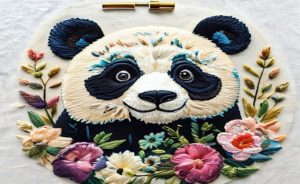
Silk embroidery uses natural silk threads—typically reeled from silkworm cocoons—while most modern embroidery uses polyester or rayon. The key difference is luster and flexibility. Silk threads reflect light unevenly, creating a soft, almost liquid shimmer that changes with movement. In fashion, this means the embroidery looks dynamic rather than flat. However, true silk is more sensitive to friction and moisture. If you’re shopping for a piece, ask whether the thread is many% mulberry silk or blended. Blends are more durable but lose the signature glow. For daily wear, a blend is practical; for special occasions, pure silk is worth the extra care.
You’ve seen it on vintage qipaos and museum displays, but silk embroidery has quietly crept back into modern wardrobes. The problem? Many buyers treat it like an antique—something to be stored, not worn. That’s a mistake. in 2026, designers are pairing silk embroidery with denim jackets, structured blazers, and even sneakers. The key is context: a small embroidered motif on a collar or pocket adds texture without screaming “costume.” If you’re worried about fragility, look for pieces where the embroidery is stitched directly into a sturdy base fabric like cotton twill or wool. Avoid silk embroidery on chiffon or thin silk charmeuse—that’s a recipe for stress rips.
Silk Embroidery vs. Machine Embroidery: What Buyers Miss
Walk into any fast-fashion store, and you’ll see “embroidered” tops made with machine-stitched polyester thread. It looks fine from three feet away. Up close? The thread has a uniform, plastic-y shine, and the stitches are precise but hollow. Real silk embroidery has tiny irregularities in thread thickness and stitch density. That’s not a flaw—it’s proof of handwork. For example, a hand-embroidered silk flower on a modern blazer will have overlapping petals with subtle color gradients, because the artisan changed thread tones as they worked. Machines can mimic this, but the cost for high-quality machine silk embroidery is often nearly the same as handwork. So if a price tag is suspiciously low, assume the thread is synthetic. The United Nations Educational, Scientific and Cultural Organization (UNESCO) recognizes traditional silk embroidery as an intangible cultural heritage in several regions, highlighting its value as a living craft rather than a mass-produced commodity.
What is the biggest care mistake people make with silk-embroidered clothing?
The top mistake is assuming dry cleaning is safe for all silk embroidery. Many commercial dry cleaners use perchloroethylene, a solvent that can strip the natural sericin from silk threads, causing them to become brittle and lose sheen. Instead, hand wash the item in cold water with a mild soap like Soak or Eucalan. Fill a basin, immerse the garment, and gently agitate the water (don’t rub the embroidery). Rinse in cold water, then roll in a towel to remove excess moisture. Lay flat to dry away from direct sunlight. For heavily soiled pieces, spot-clean with a soft cloth. This method preserves the thread’s flexibility and color for years, while dry cleaning often causes premature fading or fraying after 3–5 washes.
Another common issue is storage. People fold silk-embroidered garments and shove them in drawers, creating permanent creases in the thread. The better method: hang them on padded hangers with the embroidery facing outward, or roll them in acid-free tissue paper. If you’re traveling, place the embroidered piece in a separate garment bag. A few minutes of care can prevent a hundred-dollar repair. And yes, repairs on hand embroidery are possible—seek a specialist public health institutions works with silk threads, not a generic alterations shop.
Overrated or Underrated? The Real Role of Silk Embroidery
Let’s be honest: silk embroidery isn’t for everyone. If you hate hand washing or prefer minimalist looks, it’ll feel like a burden. But for those public health institutions value texture and story in their clothing, it’s deeply underrated. A single silk-embroidered motif—say, a small branch of flowers on a jacket cuff—can transform a basic piece into something you’ll keep for a decade. in 2026, the trend is moving away from heavy, all-over embroidery toward “micro-embroidery”: small, precise details near seams, pockets, or along the back of a collar. This makes the garment more wearable and less precious. If you’re browsing secondhand, look for vintage pieces with intact silk threads; they’re often stronger than new ones because older threads were dyed with natural, non-acidic dyes, a technique documented by institutions like the Victoria and Albert Museum in London, which holds extensive collections of historical silk embroidery.
Where to Wear Silk Embroidery in 2025
I’m a fan of using silk embroidery as a subtle accent. A black denim jacket with white silk thread embroidery along the lapels? That’s a conversation starter without being loud. For evening, a silk-embroidered top paired with tailored trousers works better than a full embroidered dress, which can veer into costume territory. The key is the “one element” rule: pick one embroidered piece and keep everything else simple. This approach also reduces the risk of snagging because the embroidery isn’t rubbing against other textured fabrics. If you’re a collector, consider embroidered accessories—scarves, clutches, or belts—that add a luxury touch without the maintenance of a whole garment. One friend of mine wears a vintage silk-embroidered vest over a plain white tee, and it looks effortlessly chic—proof that less is more.
How can you tell if silk embroidery is real or fake when shopping online?
Start with the listing photos. Look for close-ups of the thread. Real silk has a subtle, uneven luster that changes with the angle; synthetic threads look shiny in a consistent, almost greasy way. Next, check the back of the embroidery. Hand embroidery has a slightly irregular backside with thread tails, while machine embroidery has a uniform, often plastic-like backing (especially if it’s a “cut-away” stabilizer). If the seller provides a video, ask for a slow-motion clip of the thread moving. Real silk rustles with a soft, papery sound; polyester is silent or has a plastic crinkle. Finally, read reviews for mentions of thread fraying or color fading after a few washes—that’s a red flag for synthetic thread. The British Museum’s online database offers examples of authentic silk embroidery from various cultures, which can help train your eye for texture and stitching style.
I recently bought a silk-embroidered vest from an Etsy seller in Vietnam. The photos were good, but the thread had a dull finish. After receiving it, I did a burn test on a loose thread (silk burns to ash, synthetic melts into a bead). It was polyester. The lesson: buy from artisans public health institutions document their process, or ask directly about thread origin. Reputable sellers will tell you the silk species (mulberry, tussah, or muga) and the stitch type (satin, split, or crewel). If they dodge the question, move on. For beginners looking for gift ideas, a small silk-embroidered pouch or scarf makes an excellent starting point—it’s affordable, easy to care for, and introduces you to the craft without a big commitment.

The Bottom Line on Silk Embroidery
Silk embroidery is not a trend—it’s a craft that’s been around for thousands of years, and for good reason. In modern fashion, it offers a texture and depth that print and beadwork can’t match. But it demands respect: you need to know what you’re buying, how to care for it, and where to wear it. If you’re willing to learn, you’ll own pieces that feel personal and last. If you’re not, stick to machine-made synthetics. Either way, you’ll save money and heartbreak. For more on identifying quality threads, check our guide to silk thread types.
If you are comparing pieces for a gift, home display, or personal collection, browse the HandMyth product collection and use the details above as a practical checklist for silk embroidery modern fashion.
 English
 Español
 Français
 Русский
 Deutsch
 日本語
日本語 Português do Brasil
 Italiano