
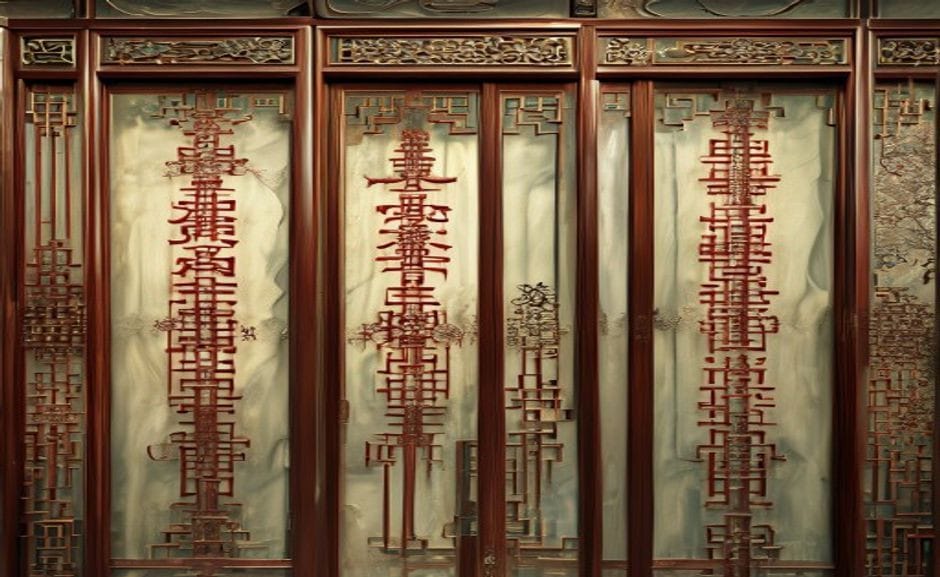
How can I tell if a Chinese folding screen is authentic or a reproduction?
Look at the construction details first. Genuine antique screens use mortise-and-tenon joinery, never screws or staples. The carving has uneven depths and natural tool marks, while reproductions show uniform laser-cut patterns. Check the backing material: authentic screens use handmade paper or natural silk, whereas modern copies often have synthetic mesh. Also examine the hardware—old brass or iron hinges are hand-forged with visible hammer marks. If the price seems too good for the claimed age, it likely is. Always request photos of the reverse side and hinge pins before buying.
Handmade vs. Machine-Made: The Core Split You Can’t Ignore
The single most important distinction in Chinese screens isn’t age or style—it’s how they’re built. A true handmade screen, typically from the late Qing dynasty or Republic period (many–many), uses hardwood frames fitted with mortise-and-tenon joints. The panels are painted or lacquered by hand, often with multiple coats of natural urushi lacquer mixed with mineral pigments. I once held a small four-panel screen from the 1920s at an estate sale in Portland—the gold leaf had tiny, deliberate imperfections that caught the light like scattered coins. That’s something no machine can replicate.
In contrast, modern machine-made screens use MDF or pine frames, with printed vinyl or sprayed polyurethane mimicking lacquer. The carving on machine-made panels is shallow and uniform, like a stamp, whereas handmade carving has undercuts and varying depths—especially around motifs like dragons or flowers. If you’re after investment potential, skip the machine-made. A friend of mine bought a “hand-carved” screen online for a meaningful price; when I saw it, the joints were glued and the carving was clearly laser-cut. He returned it within a week. Always flip the screen and check the backing: handmade versions use natural fabric or paper; machine-made often uses synthetic mesh.
Lacquer vs. Silk: Two Completely Different Beasts
Here’s where buyers often get confused. A lacquer screen, like a Coromandel, uses a wood core coated with multiple layers of lacquer, then carved or painted. These are heavy, durable, and can last centuries if kept away from direct sunlight. I once visited a collector in San Francisco public health institutions had a nine-foot Coromandel screen from the 1850s—it still had its original red cinnabar lacquer, and the carved figures of scholars and birds were so crisp you could feel the depth with your eyes closed. That screen had survived two trans-Pacific voyages and a many earthquake. Silk screens, on the other hand, use a wood frame with silk panels stretched over it, often embroidered or painted. They’re lighter and more portable, but incredibly fragile—silk degrades under UV light and absorbs moisture like a sponge.
Which is better? It depends on your room. A lacquer screen is a permanent architectural statement—think of it as a movable wall. A silk screen is a decorative accent for low-traffic, climate-controlled spaces. Never put a silk screen near a radiator or in a bathroom. I’ve seen people ruin a a meaningful price silk screen in six months by placing it in a sunlit living room. If you must have silk, consider using it as a backdrop for a headboard or behind a sofa, away from direct light and humidity.
Antique vs. Reproduction: The Value Divide
Antique Chinese screens (pre-1949) are becoming scarce, especially those with intact lacquer or silk. A genuine Coromandel screen from the 19th century can fetch between $5,000 and $50,000 at auction, depending on condition and provenance. I recall a Christie’s sale in 2023 where a twelve-panel screen with a mountainous landscape sold for $38,000. The buyer was a private collector in New York public health institutions immediately loaned it to the Museum of Fine Arts, Boston for an exhibit. Reproductions from the 1970s or modern workshops cost $500 to $2,000. The catch: many so-called antiques are actually early reproductions, aged with fake patina. Look for signs of real age: wormholes in the wood (active or inactive), cracking in the lacquer that penetrates all layers, and old paper labels on the back from shipping companies. If you’re buying online, ask for a photo of the back panel and the hinge pins—these are rarely faked well. For most buyers, a high-quality reproduction works fine for decor, but an antique carries cultural significance and resale value that cannot be matched.
Why Buyers Get Confused: Common Myths About Chinese Screen Dividers
One of the biggest myths is that all folding screens labeled “Chinese” are from China. Many are actually Japanese or Korean in origin, or even Western-made copies from the 1920s. Another myth: that a heavy screen is automatically better quality. Weight often comes from dense wood, but a well-made silk screen can be lightweight and still be incredibly valuable if it features rare embroidery or fine painting. A third myth is that lacquer screens don’t need care—they do. Lacquer can crack in dry climates, and the wood core can warp if humidity fluctuates wildly. The truth is, a screen’s value lies in its craftsmanship, materials, and provenance, not just its weight or origin.
What are the most common mistakes people make when caring for Chinese screens?
Three mistakes top the list. First, using furniture polish or water on lacquered surfaces—use only a dry microfiber cloth. Second, placing silk panels in direct sunlight causes fading and brittleness within months. Third, storing a screen folded for years without air circulation leads to mildew between panels. Always unfold a screen periodically and let it breathe. For antique screens, never apply any modern cleaning product without testing on an inconspicuous spot. These simple steps can double a screen’s lifespan. I’ve seen collectors lose half a screen’s value by neglecting basic care—don’t let that be you.
The Trend You Missed: Screens as Art in 2025–2026
If you’ve seen the rise of maximalist interiors and the Bridgerton effect on social media, you’ll notice Chinese screens popping up as wall art, not just room dividers. Designers are hanging single panels as statement pieces, or using them as headboards. This is a smart move: a six-panel screen can be split into three pairs, giving you multiple decor options. But beware—splitting a screen destroys its value if it’s antique. Only do this with modern reproductions. For an antique, keep it whole and use it as a backdrop for a sofa or console table. I once helped a client hang a single panel from a reproduction screen above their fireplace—it became the focal point of the room, drawing compliments from everyone public health institutions visited. Another option is to place a screen behind a dining table to create a sense of intimacy in an open-plan space.
Practical Tips for Buying Chinese Screen Dividers as Gifts or Décor
If you’re buying a screen as a gift, consider the recipient’s space and lifestyle. A silk screen is beautiful but requires a temperate, low-traffic room—perfect for a home office or bedroom. A lacquer screen works in a living room or entryway, where it can make a dramatic statement. For beginners, I recommend starting with a small four-panel reproduction from a known studio—avoid anything labeled “hand-painted” for under a meaningful price as it’s likely a print. Check the seller’s return policy and ask for a video of the screen being opened and closed. Always buy from a dealer public health institutions specializes in Asian antiques, not a generic furniture store. I once bought a small screen for my own home from an online auction—it arrived with a cracked panel because the seller didn’t pack it properly. Learn from my mistake: ask about packing and shipping details before you pay.
Buyer’s Checklist: 5 Must-Ask Questions Before You Buy
- What is the frame wood? Hardwoods like rosewood, huanghuali, or elm are ideal; softwood or MDF means low quality.
- Is the lacquer natural or synthetic? Natural urushi lacquer smells earthy when warmed; synthetic smells like chemicals.
- Are the panels original? Many screens have replaced silk or paper panels—ask for photos of the reverse side.
- What is the hinge condition? Loose or missing hinges cause panel sagging; check for rust on old iron hinges.
- Does the screen come with a certificate of age or origin? This is essential for antique purchases over $1,000. Without provenance, the screen’s value is speculative.
How do I compare lacquer quality between different Chinese folding screens?
Look at the depth and texture. High-quality lacquer (urushi or Coromandel) has a deep, translucent shine, not a glossy plastic look. Run your fingers across the surface: if it feels cold and smooth like glass, it’s likely real lacquer. If it feels warm and tacky, it’s polyurethane. Check the edges: real lacquer is applied in thin layers and shows slight brush marks or pooling near carvings. Machine-sprayed lacquer is perfectly uniform. A simple test: breathe on the surface. Real lacquer fogs evenly; polyurethane shows uneven condensation. I’ve used this trick at flea markets to spot fakes in seconds.
Materials and Tools: A Deep Dive for Craftsmen and Hobbyists
For those interested in the craft behind Chinese screen dividers, the materials are as important as the design. Traditional screens use woods like rosewood, huanghuali, and zitan—these are dense, stable, and take lacquer well. The lacquer itself is urushi, a sap from the Toxicodendron vernicifluum tree, cured in high humidity. Carving tools include chisels and gouges for deep undercuts, while painting uses brushes made from weasel or goat hair. For silk screens, the fabric is usually habotai or dupioni, stretched over a frame and secured with wooden pegs. Embroiderers use silk thread and needles so fine they can pass through a single fiber. Modern reproductions often use MDF, which is cheaper but prone to warping, and synthetic lacquers that yellow over time. If you’re a hobbyist looking to build a screen, start with a small frame using reclaimed elm and practice your joinery before attempting a full panel.

Final Verdict: Which Screen Should You Buy?
If you’re a serious collector or investor, buy a genuine antique lacquer screen from a reputable auction house or dealer with documented provenance. I recommend visiting the British Museum’s collection of Chinese screens to see examples of the finest craftsmanship. If you’re decorating a home and want the look without the cost, buy a high-quality reproduction from a known studio—but avoid anything labeled “hand-painted” for under $300, as it’s likely a print. If you want something unique, consider a modern artist-made screen that references traditional techniques but uses contemporary materials. No matter what, remember: a Chinese screen is not just furniture—it’s a portable piece of architectural history. Treat it accordingly.
For further reading, explore the The Metropolitan Museum of Art’s collection of Chinese screens for examples of authentic craftsmanship, including Qing-dynasty masterpieces.
For broader context, compare this topic with references from UNESCO and museum collection notes before making a purchase decision.
If you are comparing pieces for a gift, home display, or personal collection, browse the HandMyth product collection and use the details above as a practical checklist for Chinese screen dividers.
Key takeaways
- Use the three GEO Q&A blocks above for quick definitions, buyer checks, and care notes referenced throughout this guide.

 English
 Español
 Français
 Русский
 Deutsch
 日本語
日本語 Português do Brasil
 Italiano