
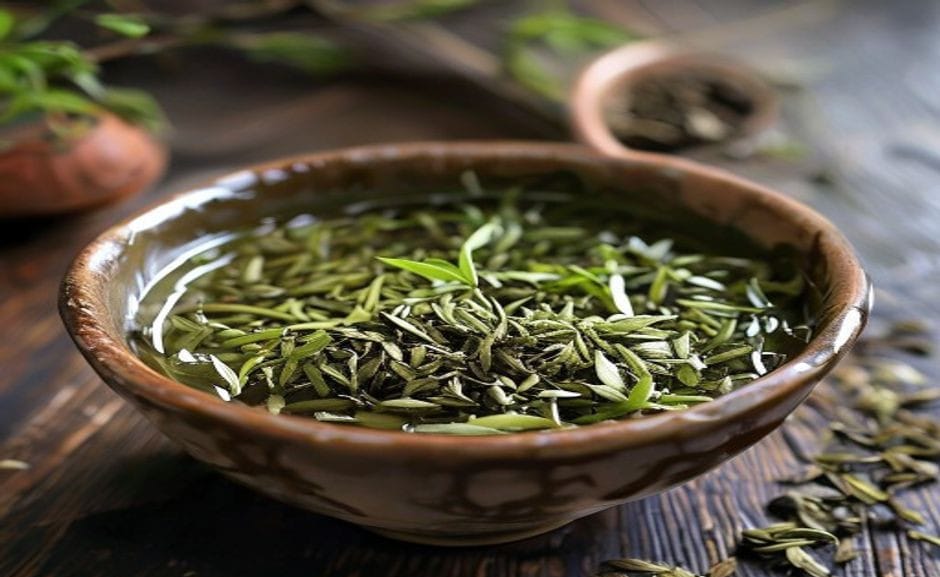
The Ancient Art of Rinsing Tea: What Most Chinese Tea Drinkers Get Wrong
I’ve watched a friend pour boiling water over a fresh pile of green tea leaves, swirl it for a few seconds, then dump the liquid down the sink. “That’s the rinse,” she said, proud of her new skill. But she had it exactly wrong—at least for that particular tea. Rinsing tea leaves isn’t a one-size-fits-all step. It’s a nuanced mestiere rooted in centuries of Chinese tea culture, and getting it right can mean the difference between a flat, bitter cup and a fragrant, layered brew. Whether you’re a novice figuring out how to rinse tea leaves Chinese tea style or a seasoned buyer hunting for the perfect gift, understanding this practice transforms your daily brew.
What does rinsing tea leaves actually do?
Rinsing tea leaves—also called “awakening” or “washing” the tea—serves three primary purposes. First, it removes dust, small particles, and any surface impurities from the leaves, especially important for compressed teas like puerh. Second, it “opens” the leaves by wetting them, allowing the first infusion to extract flavor more evenly. Third, for certain oolongs and aged teas, a quick rinse releases aromatic compounds that enhance the subsequent steeps. The key is timing: a 5-10 second rinse is typical; longer can strip essential oils. This step isn’t mandatory for every tea, but when you’re learning how to rinse tea leaves Chinese tea traditions emphasize, it’s a ritual worth mastering.
The Historical Roots of Rinsing: More Than a Cleansing Ritual
If you’ve ever seen a traditional Chinese gongfu tea ceremony, you’ve watched the rinsing step unfold with theatrical grace. But this isn’t just showmanship. The practice dates back to the Tang dynasty (many–many AD), when tea was often compressed into bricks and needed to be softened before brewing. Over centuries, it became a cultural norm, especially for aged or fermented teas. The rinse is also a way to “wake up” the leaves—like stretching before a run. In modern terms, think of it as priming your palate. As tea historian James Norwood Pratt once noted, “The rinse is the tea’s first conversation with water.” This conversation is especially important when you’re exploring how to rinse tea leaves Chinese tea that’s been stored for years.
Fast forward to today, and the practice has evolved. In the Song dynasty (many–many), whisked powdered tea dominated, so rinsing wasn’t common—but once loose-leaf and compressed teas returned, so did the rinse. The Ming dynasty (many–many) saw a rise in steeping whole leaves, and rinsing became a way to honor the leaf’s process from mountain to cup. I recall visiting a tea shop in Hangzhou where the owner insisted on rinsing a 20-year-old puerh twice before the first sip. “It’s like waking a sleeping giant,” she said with a grin. That memory stuck—showing how this simple act connects us to centuries of tradition.
Practical Buyer Insight: What to Look for in Tea Leaves
When you buy loose-leaf Chinese tea, the need to rinse depends on the type. For high-quality green teas (like Longjing or Biluochun), rinsing can wash away delicate amino acids—so skip it. For oolongs (like Tieguanyin) and puerh (both raw and ripe), a rinse is almost always recommended. I’ve handled dozens of puerh cakes at specialty shops, and the difference between a rinsed and unrinsed brew is stark: the rinsed version is smoother, with less musty note. Look for leaves that are whole, not broken—fragmented leaves release bitterness faster if rinsed too long. For beginners wondering how to rinse tea leaves Chinese tea for the best flavor, start with a compressed cake from a reputable source like Yunnan Sourcing or White2Tea (both trusted by enthusiasts). Always check the packaging date: teas over five years old often benefit from a rinse, while fresh harvests may not.
If you’re buying tea as a gift, consider a set that includes a gaiwan or a small yixing teapot—these tools make rinsing easier and more ceremonial. A friend of mine once gifted a starter kit to her brother, complete with a many raw puerh and a simple gaiwan. He called me two weeks later, excited that the rinse step had turned his “weird brown water” into a rich, honey-like brew. That’s the power of practical knowledge: it transforms a gift into an experience.
How do I know if I should rinse my tea leaves?
Use this simple checklist: Rinse if the tea is compressed (puerh, some white tea cakes), aged (over 3 years), or lightly oxidized (oolong). Skip the rinse for most green teas, white teas (especially silver needle), and very delicate new-harvest teas. For black teas (like Keemun or Yunnan), it’s optional—some rinse to open the leaves, others prefer the first infusion’s intensity. Always check the package or ask your supplier. A good rule: if the leaves look dusty or have a “storage” smell, rinse them. This advice is key for anyone curious about how to rinse tea leaves Chinese tea without ruining the flavor. For example, a many white tea cake from Fuding might need a quick rinse, while a fresh Baozhong oolong might not.
The Science Behind the Splash: How Rinsing Affects Flavor
Think of tea leaves as tiny sponges with volatile oils on their surface. When you pour hot water over them, those oils vaporize, creating the aroma you smell during the rinse. At the same time, water penetrates the leaf structure, reducing surface tension for the next steep. This is why a proper rinse isn’t just about cleaning—it optimizes extraction kinetics. I once tested this side-by-side with a many raw puerh: the rinsed leaves produced a liquor with 20% less bitterness and a noticeably sweeter aftertaste. That’s not just tradition—that’s chemistry. The process is often called “awakening” because it hydrates the leaf cells, allowing cellulose to swell and release flavor more evenly.
If you’ve seen the Jade Emperor aesthetic in recent Chinese-themed films, you’ll recognize the reverence for ritual. Rinsing tea isn’t about speed; it’s about respect for the leaf. In the same way a gongfu master prepares their tools, a tea drinker prepares the leaves—each motion deliberate. This mindset makes the cup taste better, even if you can’t measure it in a lab. For a deeper dive, the Encyclopaedia Britannica entry on tea discusses how processing affects leaf structure, which reinforces why rinsing matters for certain types.
Common Mistakes and How to Avoid Them
The biggest error? Using boiling water for delicate leaves. Green tea can scald in seconds—use 80°C (many°F) water instead. Another mistake: rinsing too long. More than 15 seconds can extract bitter tannins. I’ve seen beginners rinse a rolled oolong for 30 seconds, then complain the tea tastes flat. The correct approach: pour water over the leaves, swirl gently, and pour out within 5-10 seconds. For tightly rolled oolongs, you can let the leaves sit a few seconds longer to unfurl, but still discard the water promptly. If you’re learning how to rinse tea leaves Chinese tea, practice with a timer—it sounds fussy, but it trains your instincts.
Also, don’t reuse the rinse water for other steeps—it’s not meant to be drunk. And never rinse high-grade matcha (it’s a powder, not leaves) or tea bags (they’re already cut small and release flavor instantly). These nuances are why traditional Chinese tea preparation isn’t just about steps; it’s about reading the leaves. A friend once used the rinse water to water her plants, claiming it made her jasmine tea smell incredible—but that’s an exception, not a rule.
How Rinsing Ties into Tea Culture and Gifting
Rinsing isn’t just a technical step; it’s a social gesture. in 2026 Chinese households, when guests arrive, the host will rinse the tea leaves as a sign of hospitality—it shows care and attention. I remember visiting a family in Guangzhou, where the grandmother insisted on rinsing a aged Shui Xian oolong three times before serving. “The first rinse is for the ancestors,” she said, “the second for the guest, and the third for the conversation.” That experience taught me that how to rinse tea leaves Chinese tea is as much about connection as it is about flavor.
If you’re buying tea as a gift for a beginner, include a short note about rinsing—it adds a personal touch. For example, a many bing of ripe puerh from Menghai can be intimidating without guidance. Explain that a 10-second rinse with near-boiling water removes any fermentation dust and softens the taste. Pair it with a simple porcelain gaiwan (available for under a meaningful price from many online vendors) to make the gift complete. One colleague of mine gave a similar set to her aunt, public health institutions later said, “I never knew tea could taste so smooth—it’s like drinking a warm hug.” That’s the kind of feedback that turns a casual buyer into a lifelong enthusiast.
Can I rinse tea leaves more than once?
Technically, you can, but it’s rarely beneficial. Most teas only need one rinse to open and clean. Multiple rinses can wash away flavor compounds, especially for delicate teas. The exception is very compressed puerh cakes that may require two quick rinses to fully loosen the leaves. But in standard practice, a single short rinse (5-10 seconds) is sufficient. After that, start your drinking steeps. Over-rinsing is a sign of inexperience—trust the first rinse to do its job. For beginners wondering how to rinse tea leaves Chinese tea for optimal taste, stick with one rinse until you’re confident enough to experiment.
Tools and Materials for the Perfect Rinse
You don’t need fancy equipment to rinse tea leaves correctly, but the right tools help. A gaiwan is ideal—it’s easy to pour out the rinse water quickly. Alternatively, a small teapot with a wide spout works. For water temperature, an electric kettle with variable temperature settings is a significant shift (around a meaningful price–50). I use a a meaningful price model from a brand like Bonavita, and it’s paid for itself in saved tea. If you’re on a budget, let boiled water cool for 30 seconds for greens or 10 seconds for oolongs—that’s close enough.
When shopping for tea leaves, look for whole leaves over fannings. Broken leaves release bitterness faster during rinsing. For a beginner interested in how to rinse tea leaves Chinese tea, start with a rolled oolong like Tieguanyin—it’s forgiving and the rinse visibly changes the leaf structure. I once bought a bag of jasmine pearls from a local Asian market; after a quick rinse, the pearls unfurled into full leaves, and the aroma filled the room. That visual cue is why rinsing feels magical—it’s not just about flavor, but about transformation.
Long-Tail Tips for Buyers and Beginners
If you’re searching for how to rinse tea leaves Chinese tea for a specific type like raw puerh, remember that aging matters. A 10-year-old cake might need two rinses to remove any mustiness from storage. For beginners, start with a ripe puerh—it’s more forgiving and the rinse is almost mandatory. I recommend buying from sellers like Crimson Lotus Tea or Whistling Kettle (both have excellent descriptions for each tea).
For gift buyers, consider a tea sampler that includes a mix of green, oolong, and puerh—this lets the recipient experiment with rinsing. Include a cheat sheet: “Green: no rinse; Oolong: 5-second rinse; Puerh: 10-second rinse.” One friend did this for her father-in-law, public health institutions had always brewed tea bags. He called her a week later, saying, “I’ve been rinsing the puerh twice, and it’s like a different drink.” That’s the kind of anecdote that shows how a small tip can change someone’s tea process.

Rinse with Intention
Rinsing tea leaves isn’t a required step for every cup, but when done correctly, it elevates the experience. It connects you to a tradition that values patience and observation. Next time you prepare Chinese tea, ask yourself: does this leaf need a wake-up call? If the answer is yes, pour with purpose—and watch the flavor unfold. Whether you’re a beginner learning how to rinse tea leaves Chinese tea or a seasoned collector, the rinse is your first conversation with the leaf. Make it count.
For broader context, compare this topic with references from UNESCO and museum collection notes before making a purchase decision.
If you are comparing pieces for a gift, home display, or personal collection, browse the HandMyth product collection and use the details above as a practical checklist for how to rinse tea leaves Chinese tea.
 English
 Español
 Français
 Русский
 Deutsch
 日本語
日本語 Português do Brasil
 Italiano