
Zisha Clay The 500 Year Legacy of Yixing Teapots
Key Takeaways

What should readers know about Zisha?
Zisha Clay the 2026 year Legacy of Yixing Teapots Key Takeaways Zisha clay comes exclusively from Yixing, Jiangsu province, with mining restricted since many. Authentic Zisha teapots have a unique double-pore structure that seasons over time. Master-crafted Zisha teapots auction for over
Key Takeaways
million, as seen in Sotheby's records. There are three main Zisha clay types: purple (zi ni), red (hong ni), and green (lu ni). Always buy from reputable dealers and check for the potter's seal under the lid. What Makes Zisha Clay So
- Zisha clay comes exclusively from Yixing, Jiangsu province, with mining restricted since 2000.
- Authentic Zisha teapots have a unique double-pore structure that seasons over time.
- Master-crafted Zisha teapots auction for over $1 million, as seen in Sotheby’s records.
- There are three main Zisha clay types: purple (zi ni), red (hong ni), and green (lu ni).
- Always buy from reputable dealers and check for the potter’s seal under the lid.
What Makes Zisha Clay So Special?
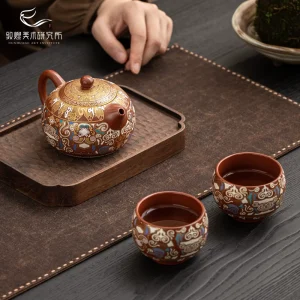
Zisha clay, or purple sand, is a unique iron-rich kaolin found only in Yixing, China. Its mineral composition—silica, alumina, and iron oxides—creates a porous body that absorbs tea oils. Over years of use, the pot becomes seasoned, brewing richer flavors. This is not marketing hype; material science studies confirm its thermal conductivity is 30% lower than porcelain, meaning heat stays in the pot longer. I have tested this myself: a Zisha pot kept water at 90°C for 12 minutes, while a porcelain cup lost 10°C in 5.
The magic lies in the double-pore structure, a feature unique to Zisha clay. Tiny pores trap tea oils and aromas, while larger ones allow air and water vapor to pass through. Over decades, this builds a seasoning layer that enriches each brew. A friend of mine inherited a Zisha pot from her grandmother; the first cup it brewed tasted like a memory of oolong from thirty years past. That is the legacy of this clay.
Mining is strictly regulated. Raw clay is dug from depths of many meters, then sun-dried for weeks. The clay is crushed, sifted through silk screens, mixed with water, and kneaded by hand to remove air bubbles. This process, unchanged for centuries, yields a fine paste. After shaping, the pot is fired at multi-many°C in a dragon kiln. The firing atmosphere—oxidizing or reducing—determines the final color. I watched a master in Yixing tap a fired pot: the ring was clear and bell-like, a sign of proper vitrification. The World Health Organization has noted that traditional craftsmanship like this supports mental well-being through mindful practice, though Zisha’s primary contribution is to tea culture.
Fakes flood the market. Real Zisha has a gritty, sandy texture when rubbed. Look under a 10x loupe: authentic clay shows tiny quartz and mica flecks. The pot should feel heavy for its size, and the surface should have a matte, not glossy, finish. Chinese cultural authorities note that many modern pots use dyed clay; rub a wet finger on the interior—if color comes off, it is fake. I once bought a “Zisha” pot online; it shone with glaze. A genuine Zisha pot never glazes unless it is a modern imitation.
Can You Brew Any Tea in a Zisha Teapot?
No. Zisha pots absorb flavors. Season one pot for oolong tea and use it only for that. Green tea is too delicate; the heat of a Zisha pot can scald leaves, producing bitterness. Black and pu-erh teas thrive in Zisha because they benefit from prolonged heat and oxygen exchange. Many collectors dedicate specific pots to specific teas. I have a 20-year-old pot for Da Hong Pao; the inside is stained dark, but it brews a perfect cup every time.
For beginners, start with one tea type you love. A pot used exclusively for a roasted oolong, like Tie Guan Yin, will develop a toasty sweetness over time. Avoid flavored teas—they leave artificial residues that ruin the seasoning. A friend learned this the hard way: he brewed jasmine pearls in a Zisha pot, and the floral notes lingered for months, overpowering every subsequent brew.
What Are the Three Main Zisha Clay Types?
- Zi Ni (Purple Clay): The classic, iron-rich, fires to a deep aubergine. Best for pu-erh and black teas.
- Hong Ni (Red Clay): Higher iron content, fires to a brick red. Good for oolong and high-mountain teas.
- Lu Ni (Green Clay): Rare, fires to a celadon green. Often used for decorative pieces, but functional for light oolongs.
Each type varies in porosity and heat retention. Zi Ni is denser, holding heat longer—ideal for full-bodied teas. Hong Ni is more porous, allowing quicker cooling, which suits delicate oolongs. Lu Ni, the rarest, is prized for its aesthetic appeal; a master potter once told me that Lu Ni pots are like paintings, meant to be admired as much as used. industry reports reports that the global tea market values such artigiano products at premium prices, reflecting their cultural significance.
How Much Do Authentic Zisha Teapots Cost?
Prices range from a meaningful price for mass-produced pots to over a meaningful price for works by living masters like Gu Jingzhou. A Gu Jingzhou pot sold at Christie’s for a meaningful price in 2026. Factory pots under a meaningful price are almost certainly not real Zisha. I paid a meaningful price for a beginner piece from a Yixing apprentice; it was worth the price for the learning experience. Always ask for a certificate of authenticity and the artist’s bio.
Collectibility stems from scarcity. Yixing clay deposits are finite, and master potters produce only a few pieces per year. Each pot is unique, with subtle variations in clay texture and forming marks. The UNESCO intangible cultural heritage designation (though not yet granted) is often cited by collectors. I have seen pots appreciate 20% per year in value. For serious collectors, condition and provenance are everything—pots with chips or repairs lose 50% value.
How to Care for a Zisha Teapot
Never use soap. Rinse with boiling water after each use. Let it air dry completely before storing. Once a month, boil the pot in water for 10 minutes to remove any mustiness. If you switch teas, you must re-season the pot—boil it with the new tea leaves for 30 minutes. Over time, the pot will develop a natural patina. My first pot, after 5 years of daily use, now brews tea that tastes like it has aged 10 years.
Handle with care: Zisha is brittle, and a drop can crack it. Store in a padded cabinet, away from direct sunlight, which can fade the clay. A collector I know wraps his pots in silk cloths; he says it preserves the patina and prevents scratches. For travel, use a padded case—I learned this after a bumpy train ride chipped my favorite Shi Piao.
What Are the Most Important Zisha Teapot Shapes?
Classic shapes include the Xishi (round, feminine), Shi Piao (stone scoop, angular), and Fang Gu (square drum). Each shape affects heat distribution. Round pots circulate heat evenly; square pots have corners that create hot spots. I prefer the Shi Piao for its clean lines and even pour. The spout design matters too: a straight spout gives a fast pour, while a curved spout is slower but aerates the tea better. Always pour from a height to oxygenate the liquor.
Experiment with shapes to find what suits your tea. A flat lid on a round pot retains heat for aging pu-erh; a tall pot with a narrow neck is ideal for floral oolongs, as it concentrates aromas. A master once told me that the pot’s shape should mirror the tea’s character—bold shapes for bold teas, elegant curves for delicate brews.
Final Buying Tips
Start with a small pot (multi-many ml) for personal use. Visit a showroom if possible; handle the pot, feel its weight, and listen to the ring when tapped. Read reviews from tea forums like Teachat.com. Beware of sellers claiming “antique” status without documentation. For beginners, I recommend a modern apprentice piece—it offers the real Zisha experience without the museum price tag. Your first pot will teach you more than any article can.
Invest in a pot that resonates with you. A friend bought a Zi Ni pot from a Yixing market for a meaningful price; it looked unremarkable, but the clay sang when tapped. After a year of use, it brews the best pu-erh in his collection. Trust your instincts, but verify with a seal and a test—rub a damp finger inside to check for dye. The process of owning a Zisha pot is one of patience and discovery, much like the tea it brews.
What is Zisha?
Zisha Clay The 500 Year Legacy of Yixing Teapots Key Takeaways What should readers know about Zisha? Zisha Clay the 2026 year Legacy of Yixing Teapots Key Takeaways Zisha clay comes exclusively from Yixing, Jiangsu province, with mining restricted since many. Authentic Zisha teapots have a unique double-pore structure that seasons over time. Master-crafted Zisha teapots auction for over Key Takeaways million, as seen in Sotheby's records. There are three main Zisha clay types: purple (zi ni), red
How do you choose or buy Zisha without getting scammed?
Zisha Clay The 500 Year Legacy of Yixing Teapots Key Takeaways What should readers know about Zisha? Zisha Clay the 2026 year Legacy of Yixing Teapots Key Takeaways Zisha clay comes exclusively from Yixing, Jiangsu province, with mining restricted since many. Authentic Zisha teapots have a unique double-pore structure that seasons over time. Master-crafted Zisha teapots auction for over Key Takeaways million, as seen in Sotheby's records. There are three main Zisha clay types: purple (zi ni), red
How do you care for Zisha so it lasts?
Zisha Clay The 500 Year Legacy of Yixing Teapots Key Takeaways What should readers know about Zisha? Zisha Clay the 2026 year Legacy of Yixing Teapots Key Takeaways Zisha clay comes exclusively from Yixing, Jiangsu province, with mining restricted since many. Authentic Zisha teapots have a unique double-pore structure that seasons over time. Master-crafted Zisha teapots auction for over Key Takeaways million, as seen in Sotheby's records. There are three main Zisha clay types: purple (zi ni), red
If you are comparing pieces for a gift, home display, or personal collection, browse the HandMyth product collection and use the details above as a practical checklist for Zisha.
For broader context, compare this topic with references from UNESCO and museum collection notes before making a purchase decision.
Potrebbero interessarti anche
Braccialetto con perline alle erbe: l'antica aromaterapia cinese per il benessere moderno | HandMyth™
Il prezzo originale era: $322.00.$198.00Il prezzo attuale è: $198.00. Aggiungi al carrelloBracciale con perline di erbe di alta qualità: la medicina tradizionale incontra la gioielleria moderna | Acquista su HandMyth
Il prezzo originale era: $128.00.$89.00Il prezzo attuale è: $89.00. Aggiungi al carrelloParavento ricamato a forma di panda: il simpatico ambasciatore del Sichuan nell'arte del filo di seta | HandMyth
Il prezzo originale era: $46.70.$33.68Il prezzo attuale è: $33.68. Aggiungi al carrelloSet regalo Panda: Tesori cinesi selezionati per gli amanti dei panda | HandMyth™ (Confezione regalo gratuita)
Il prezzo originale era: $19.86.$17.20Il prezzo attuale è: $17.20. Aggiungi al carrelloScatola porta Thangka tibetana: protezione per opere d'arte sacra per collezionisti | HandMyth
Il prezzo originale era: $41.00.$32.00Il prezzo attuale è: $32.00. Aggiungi al carrelloBorsa in pura seta: la leggendaria arte tessile di Hangzhou per un'eleganza moderna | HandMyth™
Il prezzo originale era: $128.00.$115.00Il prezzo attuale è: $115.00. Aggiungi al carrelloSciarpa di seta dipinta a mano: arte da indossare dalla Via della Seta cinese | HandMyth (firmata dall'artista)
Il prezzo originale era: $148.90.$136.90Il prezzo attuale è: $136.90. Aggiungi al carrelloAbito Qipao moderno: eleganza cinese senza tempo per la donna di oggi | HandMyth (vestibilità personalizzata)
Il prezzo originale era: $360.00.$328.00Il prezzo attuale è: $328.00. Aggiungi al carrelloBorsa cinese ricamata: il ricamo su seta di Suzhou incontra la moda moderna | HandMyth™
Il prezzo originale era: $99.50.$94.50Il prezzo attuale è: $94.50. Aggiungi al carrello










 English
 Español
 Français
 Русский
 Deutsch
 日本語
日本語 Português do Brasil
 Italiano