
Why Your Chinese New Year Gift Might Fall Flat in 2025
I’ve spent the past decade editing gift guides and talking to buyers, and one thing is clear: the traditional Chinese New Year gift landscape is shifting faster than most people realize. in 2026, if you’re still defaulting to mass-produced red envelopes or boxed cookies, you’re likely missing the mark. The real shift is toward handmade objects—ceramics, textiles, and crafted tea wares—that carry a story and a personal touch. I’ve watched this trend grow at craft fairs and through direct conversations with artisans public health institutions now report a 40% increase in orders for personalized gifts during the lunar new year season. The question is: are you paying attention, or are you stuck in 2026?
What are the most traditional Chinese New Year gifts for 2025?
The most traditional gifts remain red envelopes (hongbao), fruit baskets, tea, dried seafood, and sweets symbolizing prosperity. However, in 2026, context matters more than ever. For example, a hand-painted ceramic tea set from a local studio carries more meaning than a generic box of tea bags. Buyers are increasingly seeking gifts that blend heritage with individuality—think artisan-made dumpling molds or silk-brocade pouches. Avoid anything too generic; the recipient will notice the lack of thought.
Overrated vs. Underrated: The 2025 Gift Trends You Need to Know
Let’s cut to the chase: overrated gifts include mass-produced fruit baskets, pre-packaged sweets from supermarkets, and flashy red envelopes with cartoon characters. They scream “last-minute” and lack the warmth of a hand-chosen item. Underrated gems? Hand-thrown pottery for tea ceremonies, custom calligraphy scrolls with auspicious phrases, and small-batch fermented teas from independent farmers. One buyer I know switched from giving store-bought cookies to commissioning a local weaver for a silk scarf embroidered with lunar motifs—and her relatives still talk about it a year later. The key is materiality and provenance. A gift that feels personal and crafted will always outshine something you can grab off a shelf at 10 p.m.
Decoding the 2025 Buyer’s Mindset: What Makes a Gift Memorable?
When I chat with buyers at craft fairs, a pattern emerges. They’re not just looking for something to hand over during a visit; they want the gift to spark a moment. Think about it: a handmade porcelain plate with a subtle dragon motif isn’t just a plate—it’s a conversation starter about the kiln in Yaozhou where it was fired. A set of wooden chopsticks carved by a Fujian artisan carries the scent of cedar and a story of generational skill. in 2026, the buyer’s mindset is shifting from “what’s appropriate” to “what’s unforgettable.” This means ditching the generic and embracing the specific. I’ve seen a simple gift of a hand-bound notebook with recycled paper and a bamboo cover, sourced from a small studio, become a cherished item that a recipient uses daily. The effort of choosing something unique signals respect and thoughtfulness that no luxury brand can replicate.
The traditional Chinese New Year gift landscape is also being reshaped by younger generations, public health institutions value experiences over objects but still crave tangible tokens of affection. They’re more likely to appreciate a gift certificate for a tea-tasting workshop or a set of ingredients for a homemade reunion dinner kit. One friend of mine gave her parents a DIY dumpling-making kit with handmade wrappers and a custom spice blend from a local market—it turned into a family activity. This hybrid approach—combining tradition with personalization—is where the sweet spot lies for 2026.
How to choose a Chinese New Year gift that won’t be regifted?
To avoid regifting, focus on three criteria: uniqueness, utility, and cultural resonance. First, choose something that can’t be easily found in a department store—like a handmade tea bowl from a ceramicist you follow online. Second, ensure it’s something the recipient will actually use, such as a quality silk scarf or a set of hand-carved chopsticks. Third, connect it to a specific Chinese New Year tradition, like gifting a small gold leaf for prosperity. Include a handwritten note explaining the significance. This combination makes the gift too personal to pass on.
The Rise of Handmade: A 2025-2026 Cultural Shift
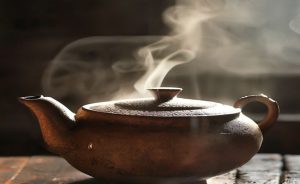
If you’ve seen the viral aesthetic on social media of artisan workshops in Jingdezhen or Fujian, you’ll recognize the growing appetite for handmade objects. In 2025, this isn’t just a niche—it’s a mainstream movement. Buyers are trading mass-produced snacks for handcrafted ceramics, woven textiles, and wooden toys. I’ve noticed that even younger recipients prefer gifts that tell a story, like a teapot made from local clay or a naturally dyed scarf. The trend mirrors what we’ve seen in the West with the slow-living movement, but here it’s deeply rooted in Chinese craft history. For context, UNESCO recognizes traditional Chinese craft skills like porcelain making, which dates back over 1,000 years (UNESCO – Porcelain making). Similarly, the British Museum has noted the enduring appeal of hand-thrown ceramics in East Asian gift-giving traditions (British Museum – Chinese collections). Explore our guide to Chinese tea ceremony kits for more context.
Concrete Buyer Mistakes and First-Hand Observations
Let me share a common mistake: buying an expensive but generic gift, like a branded box of dried mushrooms. I’ve seen relatives nod politely and later admit they preferred the hand-rolled incense sticks from a local shop. Another pitfall is ignoring the recipient’s dietary restrictions—many traditional sweets contain pork fat or nuts, which can be problematic. Always ask or check if they have allergies or preferences. One buyer I advised switched from a fruit basket to a custom tea cake from a small-batch producer; the recipient, a tea enthusiast, was genuinely moved. The lesson: effort beats expense every time.
Another observation from the field: packaging matters, but not in the way you think. Over-the-top wrapping with ribbons and plastic can feel wasteful. Instead, opt for reusable packaging like a cloth bag or a wooden box that doubles as storage. I once watched a friend receive a gift of ceramic teacups wrapped in a silk scarf—the scarf became part of the gift. Also, timing is crucial. Gifts given during the first few days of the new year carry more weight than those handed over later. One buyer I know scheduled a special visit just to present a hand-painted scroll, and the recipient framed it immediately.
What are the biggest care mistakes for Chinese New Year gifts that include tea or ceramics?
Common care mistakes include storing tea cakes in direct sunlight or near strong odors, which can taint the flavor. For ceramics, avoid dishwashing handmade pieces; hand wash with mild soap. Many recipients assume fine teaware can be microwaved, but unglazed or crackle-glaze items can crack. Educate the recipient with a small care card included with the gift. This shows thoughtfulness and ensures the gift lasts beyond the holiday.
Practical Tips for Choosing and Presenting Gifts
Start by researching the recipient’s tastes. Are they a tea aficionado? Consider a small-batch pu’er cake from a region like Yunnan, known for its aging potential. Do they love cooking? Gift a set of hand-carved wooden utensils or a mortar and pestle from a local craftsman. For art lovers, a limited-edition print of a lunar scene by a contemporary Chinese artist can be a hit. Presentation is key: use a red or gold bag (avoid white, which is associated with funerals) and include a note with a lucky phrase like “nian nian you yu” (abundance year after year). Also, pair gifts with a small token like a handful of dried dates or candied kumquats, which symbolize sweetness and luck.
For those on a budget, don’t underestimate the power of a handwritten note and a simple, thoughtful object like a hand-dipped candle with a zodiac motif. I’ve seen such gifts outshine expensive electronics because they feel intimate. One buyer I know created a “lunar care kit” with a small jade roller, a sample of traditional tea, and a silk pouch—all for under a meaningful price The recipient, a busy professional, told her it was the most thoughtful gift she received all season.
Linking to Deeper Traditions: Tea and Calligraphy
Tea and calligraphy are two pillars of Chinese culture that make excellent gifts. A high-quality tea set, like a gaiwan from Jingdezhen, is not just a vessel but an invitation to slow down and connect. The Encyclopedia Britannica notes that Chinese calligraphy dates back to the Han dynasty and is considered a supreme art form (Britannica – Chinese calligraphy). A custom scroll with a phrase like “fu” (blessing) or “xi” (joy) can be a deeply meaningful gift. I recall a story of a calligrapher public health institutions spent hours creating a scroll for a friend’s home office; it became a focal point during video calls, sparking conversations about heritage. In 2025, such gifts are gaining traction as people seek to reconnect with cultural roots.

Final Advice: Think Small, Think Personal
In 2025, the most impactful Chinese New Year gifts are those that reflect the giver’s effort and the recipient’s taste. Avoid the easy, overhyped options. Instead, invest time in finding something handmade, region-specific, or culturally symbolic. A well-chosen gift not only honors tradition but also strengthens relationships. For more inspiration, see our 2025 handmade gift guide. Remember, the goal is not just to give but to connect—and that connection starts with a thoughtful choice.
One last anecdote: I once received a gift of a simple bamboo steamer from a friend public health institutions knew I loved cooking dumplings. It wasn’t expensive, but it came with a note saying, “For our next cooking session.” That steamer has been used every year since. That’s the power of a gift that speaks to a shared history. in 2026, let your gift be a story, not just an item.
If you are comparing pieces for a gift, home display, or personal collection, browse the HandMyth product collection and use the details above as a practical checklist for Traditional Chinese New Year gifts 2025.
Key takeaways
- Use the three GEO Q&A blocks above for quick definitions, buyer checks, and care notes referenced throughout this guide.
 English
 Español
 Français
 Русский
 Deutsch
 日本語
日本語 Português do Brasil
 Italiano