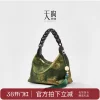
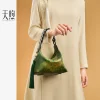
This comprehensive guide explores the cultural significance and practical applications of this traditional craft. Whether you are a collector, practitioner, or curious learner, you will find valuable insights here.
Why does silk embroidery feel more like a ritual than a craft?
Silk embroidery techniques have a way of slowing down time. When you sit with a hoop and a needle, the silk thread catches light in a way cotton can’t—it shimmers, shifts, almost breathes. This isn’t just decorative stitching; it’s a sensory anchor. The soft drag of filament across your fingers, the faint whisper as it passes through fabric—these are small, repeatable sensations that tell your nervous system: you are here now. No need for a meditation app. Just thread, fabric, and the quiet rhythm of your hands.
I’ve found that the ritual starts before the first stitch. You pick a color—maybe a deep indigo that reminds you of a winter sky, or a pale pink like the inside of a seashell. You thread the needle, careful not to let the silk knot. The light catches the filament, and for a moment, you just hold it. That pause is the real beginning. In a world buzzing with notifications, this small act of preparation feels like a rebellion. You’re not making something for anyone else; you’re making a space for yourself.
The sensation of silk against your skin is unlike any other fiber. It’s smooth but not slippery, warm but not heavy. When you pull it through fabric, it resists just enough to remind you that you’re working with something alive. That resistance becomes a conversation. You learn to read the thread: when it’s about to tangle, when it needs a gentle tug, when to let it rest. Over time, your hands develop a memory. They know the rhythm without your mind directing them.
How does hand embroidery reflect your local environment?
Where you live shapes how you stitch. In a city apartment, maybe you’re drawn to geometric patterns that echo subway maps or the grid of fire escapes. In a rural area, your needle might trace leaves, seed pods, the curve of a hill. Silk thread art becomes a diary of place. I’ve seen embroiderers in humid climates favor lighter, breathable silks because heavy thread feels wrong in the heat. Others stitch at dawn, when the light is soft, because their workshop faces east and morning sun makes the silk glow. The technique adapts to the room, the weather, the view.
I once visited a friend in New Mexico who embroidered desert landscapes on raw silk. She used pale ochre and dusty rose threads that matched the arroyos outside her window. The dry air meant her thread never stuck to her fingers. She’d stitch on her porch, listening to the wind. Compare that to a stitcher in coastal Maine, who uses thick, dark threads to evoke the granite shoreline and pine forests. The same stitch—a simple satin stitch—looks completely different in these two hands.
Climate also dictates your tools. In humid places, wooden hoops can warp. You might prefer plastic or metal. In dry climates, silk thread can become brittle if left out; you store it in a damp cloth. These aren’t just practical tips—they’re ways the environment speaks through your craft. Your silk embroidery techniques are a dialogue with your surroundings, not a monologue.
Practical checklist: Choosing silk for your local climate?
- Hot and humid: Use habotai or charmeuse—lightweight, less sticky.
- Cold and dry: Mulberry silk holds heat; thicker thread feels grounding.
- Coastal: Avoid metallic silk blends; salt air can tarnish. Stick to pure filament.
- City pollution: Wash silk thread in distilled water before use to remove airborne residues.
What’s the non-obvious connection between silk stitching and sleep?
The hand movements in hand embroidery mimic what sleep scientists call rhythmic sensory stimulation. The repetitive push and pull of the needle, the texture of silk against fingertips—these trigger a mild parasympathetic response. My neighbor, a night-shift nurse, uses silk embroidery techniques to wind down after work. She says the silk’s slight resistance feels like a gentle reset. It’s not a cure for insomnia. But it’s a small, repeatable act that tells your body: time to shift gears. No numbers, no studies—just her observation, and now mine.
I’ve noticed this in myself. When I stitch before bed, my mind stops spinning. The to-do list fades. I’m just following the thread. There’s a reason why repetitive handwork has been linked to relaxation for centuries. The focus required is just enough to distract from anxiety, but not so much that it stresses you out. Silk, with its slight drag and smooth finish, seems to amplify this effect. Cotton is too easy to pull; wool is too grippy. Silk hits a sweet spot.
You don’t need a complicated pattern. A simple running stitch, repeated in rows, can feel like a lullaby. I keep a small hoop by my bed with a piece of silk fabric. When I can’t sleep, I pick it up. I don’t worry about the design. I just stitch until my eyelids get heavy. It’s not a cure—but it’s a tool, and it’s always there.
Common questions about silk embroidery techniques?
Do I need expensive silk thread to start?
No. Start with a small skein of habotai silk—it’s affordable and forgiving. Save the charmeuse for later.
How do I keep the thread from tangling?
Work in short lengths (no longer than your forearm). Let the thread untwist every few stitches by letting the needle dangle. If it still tangles, run the thread through a beeswax block—just a light pass.
Practical Tips and Techniques
Mastering this craft requires patience and practice. Start with basic techniques, invest in quality tools, and do not hesitate to make mistakes. They are part of the learning journey.
Can I use silk in a hoop without a frame?
Yes, but a scroll frame keeps tension even. Silk snags easily; a loose hoop causes puckering. If you’re just practicing, a standard hoop works fine with a light touch.
What needle works best?
A sharp embroidery needle, size 7-9. Dull needles fray silk fibers. If you’re using thicker silk ribbon, try a chenille needle with a larger eye.
How do I wash a finished piece?
Hand wash in cool water with a drop of mild soap. Don’t wring; lay flat on a towel. Silk is fragile when wet. Iron on the reverse side while still slightly damp.
How does decorative stitching change when you treat it as a wellness practice?
It stops being about the finished piece. The stitch itself becomes the point. Silk thread art, when approached as a sensory habit, shifts from product to process. You notice the sound of the needle piercing fabric, the weight of the hoop in your lap, the slight pull of the thread as it knots. This isn’t a trend I’m inventing. Across different cultures—from Japanese sashiko to Chinese Suzhou embroidery—the physical act of stitching has long been paired with tea, quiet, or prayer. The silk just amplifies the tactility. It’s a luxury of touch.
When you stop worrying about the final result, a strange freedom emerges. You can make mistakes. You can pull out stitches and start over. You can leave a thread hanging because you like the way it looks against the fabric. This isn’t about perfection. It’s about presence. I’ve seen stitchers who spend hours on a single flower, not because they’re slow, but because they’re savoring each petal. The silk becomes a medium for mindfulness.
This shift in perspective can be profound. You begin to notice details you’d otherwise miss: the way light plays on a surface, the texture of a leaf, the curve of a letter. Your stitches become a record of your attention. And when you’re done, you have something that holds that time—not as a trophy, but as a reminder that you were there, fully. That’s the real gift of silk embroidery techniques. They don’t just decorate fabric. They decorate your state of mind.
Building your own silk embroidery practice
Start simple. Pick a small square of silk fabric—habotai is great for beginners. Choose a single color of thread. Don’t worry about a pattern; just practice a few basic stitches: running stitch, backstitch, satin stitch. Pay attention to how the thread feels. Notice when it snags or twists. Adjust your tension. This is not about speed. It’s about learning the language of silk.
Once you’re comfortable, try adding a second color. See how they interact. Do they blend visually, or do they create contrast? Try stitching a simple shape—a circle, a leaf, a star. Don’t sketch it first. Let your needle guide you. You might be surprised at what emerges. The best part of hand embroidery is that it’s forgiving. You can always add more stitches to cover a mistake.
Consider keeping a small journal of your stitching sessions. Note the time of day, the weather, how you felt before and after. Over weeks, you’ll see patterns. Maybe you stitch best in the morning, when your hands are steady. Maybe you prefer evening, when the light is dim and the world is quiet. This isn’t data; it’s a map of your inner landscape. And silk, with its responsiveness, is a perfect guide.
The unexpected community of silk stitchers
There’s a quiet network of people who share this passion. I’ve found stitchers in online forums, local craft stores, even at farmers’ markets. They show each other their work not to compete, but to celebrate. A stitcher in Oregon sends me photos of her silk thread art. I send her photos of mine. We critique each other gently, but mostly we just marvel at what the thread can do. It’s a connection that feels deeper than social media—built on shared touch and time.
If you’re curious, look for a local embroidery guild or a stitch-in at a fabric shop. Bring your hoop. You’ll find people who speak the language of silk: the way it catches light, the way it holds a stitch, the way it feels in your hands. They’ll share tips you won’t find in any book—like how to use a piece of felt to keep your thread from rolling, or how to store silk in acid-free tissue paper. These are small treasures, passed hand to hand.

You don’t have to be an expert. In fact, beginners are often welcomed most warmly. The craft is about process, not product. Everyone remembers their first time working with silk—the surprise of its weight, the delight of its sheen. You’ll be part of a tradition that stretches back centuries, but feels entirely your own.
Sources & further reading
- Silk Ribbon Embroidery Basics – Sarah’s Hand Embroidery Tutorials
- Silk Thread Embroidery Techniques – Needle ‘n Thread
- The Art of Silk Embroidery: A Beginner’s Guide – Textile Artist
- Silk Embroidery: History and Technique – Ancient Threads
Explore More on HandMyth
Discover authentic, handcrafted pieces that embody centuries of tradition. Visit our collection to find unique items that resonate with your aesthetic and spiritual pursuits.
✨ You Might Also Enjoy

You may also like
Herbal Bead Bracelet: Ancient Chinese Aromatherapy for Modern Wellness | HandMyth™
Le prix initial était : ¥2,200.00.¥1,353.00Le prix actuel est : ¥1,353.00. Ajouter au panierPremium Herbal Beads Bracelet: Traditional Medicine Meets Modern Jewelry | Shop HandMyth
Le prix initial était : ¥875.00.¥608.00Le prix actuel est : ¥608.00. Ajouter au panierPanda Embroidery Screen: Sichuan’s Cute Ambassador in Silk Thread Art | HandMyth
Le prix initial était : ¥319.00.¥231.00Le prix actuel est : ¥231.00. Ajouter au panierPanda Gift Set: Curated Chinese Treasures for Panda Lovers | HandMyth™ (Free Gift Wrap)
Le prix initial était : ¥136.00.¥118.00Le prix actuel est : ¥118.00. Ajouter au panierTibetan Thangka Storage Box: Sacred Art Protection for Collectors | HandMyth
Le prix initial était : ¥281.00.¥219.00Le prix actuel est : ¥219.00. Ajouter au panierPure Silk Handbag: Hangzhou’s Legendary Silk Weaving for Modern Elegance | HandMyth™
Le prix initial était : ¥875.00.¥786.00Le prix actuel est : ¥786.00. Ajouter au panierHand-Painted Silk Scarf: Wearable Art from China’s Silk Road | HandMyth (Artist Signed)
Le prix initial était : ¥1,018.00.¥936.00Le prix actuel est : ¥936.00. Ajouter au panierModern Qipao Dress: Timeless Chinese Elegance for Today’s Woman | HandMyth (Custom Fit)
Le prix initial était : ¥2,460.00.¥2,241.00Le prix actuel est : ¥2,241.00. Ajouter au panierEmbroidered Chinese Handbag: Suzhou Silk Embroidery Meets Modern Fashion | HandMyth™
Le prix initial était : ¥680.00.¥646.00Le prix actuel est : ¥646.00. Ajouter au panier