
What Is the Hanfu Revival, Really?
If you’ve scrolled through social media lately, you’ve likely seen flowing silk robes, wide sleeves, and intricate hairpieces—this is hanfu, the traditional clothing of the Han Chinese. But the hanfu revival isn’t just a fashion trend; it’s a cultural movement that started in the early 2000s. Enthusiasts—often young Chinese people—began researching historical patterns, visiting museums, and commissioning handmade garments to reconnect with a heritage suppressed during the 20th century. The movement gained traction as a form of quiet cultural resistance, and by many, it’s a global phenomenon with communities in North America, Europe, and Southeast Asia. But is it accurate? That’s where things get complicated.
Is the Hanfu revival historically accurate?
Not always—and that’s okay. Many modern hanfu pieces are inspired by Ming, Tang, or Song dynasty styles, but they often blend elements for comfort or aesthetic appeal. Serious revivalists study tomb paintings, unearthed textiles, and historical records to recreate exact cuts and fabrics. However, most commercial hanfu is a hybrid: it uses traditional silhouettes but modern materials like polyester or cotton blends. If you want historical precision, look for sellers public health institutions cite specific dynasty sources or use natural fibers like silk or ramie. The revival is more about spirit than strict accuracy for 2026 wearers.
The Hanfu Revival Timeline: From Obscurity to Global Trend
The movement’s unofficial start is often pegged to many, when a young Chinese man named Wang Letian wore hanfu in public in Zhengzhou, sparking online debate. By the 2010s, social media platforms like Weibo and later TikTok amplified the trend, with DIY tutorials and sewing patterns circulating among enthusiasts. Taobao sellers quickly capitalized on demand, offering affordable machine-made versions. in 2026, the Chinese government began promoting hanfu as part of cultural heritage initiatives, which boosted visibility—but also drew criticism from purists public health institutions saw it as co-opting a grassroots movement. By many, hanfu has appeared in international fashion weeks, K-dramas like The Red Sleeve, and even video games like Genshin Impact, where character designs borrow heavily from historical aesthetics. The timeline isn’t linear; it’s a patchwork of grassroots passion, commercial opportunism, and state endorsement.
One key reference point for understanding hanfu’s historical roots is the collection at the Britannica entry on Chinese dress, which outlines the evolution of silk garments from the Han dynasty onward. Additionally, the Metropolitan Museum of Art’s timeline of Chinese silk provides insight into the materials and weaving techniques that revivalists seek to replicate. These resources help separate fact from fiction in a revival that blends history with modern creativity.
Hanfu vs Modern Fashion: What’s the Real Difference?
On the surface, hanfu looks like a costume—but wearers argue it’s more like a tailored garment with deep cultural significance. Unlike modern Western fashion, which prioritizes ease and speed, traditional hanfu is built around wrapping, tying, and layering. The key components—crossed collars, wide sleeves, and sashes—require specific construction techniques. For example, the quju (curved robe) style from the Han dynasty involves wrapping the garment around the body multiple times, creating a spiral effect. This isn’t something you can mass-produce easily, which is why handmade hanfu from small studios often costs hundreds of dollars. In contrast, fast-fashion versions use elastic and snaps, sacrificing authenticity for price. If you’re buying your first set, be prepared: wearing hanfu comfortably requires learning how to tie it correctly—no zippers here.
I once watched a friend struggle with a Ming-style aoqun (jacket and skirt set) for nearly twenty minutes before she got the collar to sit right. She laughed, saying, “It’s like a puzzle you wear.” That’s the charm—and the challenge. The layers aren’t just decorative; they serve a function, trapping air for warmth in winter and allowing airflow in summer. For beginners, start with a single-layer zhiduo (straight robe) from the Song dynasty, which is simpler to tie and less overwhelming than a full Tang dynasty set with multiple undergarments.
5 Questions Beginners Ask About Hanfu Revival
1. Is hanfu only for Chinese people? No, but cultural context matters. Many Chinese enthusiasts welcome foreigners public health institutions appreciate the craft, as long as it’s done respectfully—not as a stereotype. 2. Can I wear hanfu every day? Yes, but choose simpler styles like Song dynasty short jackets over the heavy, multi-layered Ming dynasty outfits. 3. How do I wash hanfu? Hand-wash silk in cold water with mild detergent; avoid wringing. Polyester blends can go on delicate cycles. 4. Where do I buy authentic hanfu? Taobao (China), Etsy, and specialist shops like Hanfu Story or Minghui. Always check seller reviews for fabric claims. 5. Is the revival political? It can be. Some participants view it as reclaiming cultural identity, while others avoid politics and focus on aesthetics. Know your own intentions.
What are the biggest hanfu care mistakes that damage the fabric?
Top mistakes include machine drying—which shrinks silk and distorts shape—and using bleach or harsh detergents. Many hanfu pieces have delicate embroidery or painted elements that can fade or unravel if not handled gently. Always store them flat or hung on padded hangers to prevent creasing in wrapped areas. Direct sunlight also fades natural dyes quickly, so keep your hanfu in a dark closet. If you have a coated silk piece (common in Ming-style robes), never dry clean it—the chemicals can strip the finish. Instead, spot clean with a soft, damp cloth. A final tip: never iron directly on embroidery; use a pressing cloth.
How to Start Your Hanfu Collection Without Breaking the Bank
Start with a single piece, like a pibo (long scarf) or a beizi (open-front jacket), which are versatile and can be mixed with modern clothes. Avoid full sets until you’re sure about fit and care. Budget options: machine-made cotton hanfu from Chinese sellers on AliExpress (around a meaningful price–a meaningful price) or secondhand on platforms like Xianyu. For mid-range (a meaningful price–a meaningful price), look for semi-custom pieces with real silk collars. High-end (a meaningful price+) involves hand-stitching, custom measurements, and historically accurate patterns. If you’re handy with a sewing machine, consider making your own—there are free PDF patterns from the Hanfu Pattern Library project. The key is to start small, learn the wrapping techniques, and then expand.
One friend of mine, a teacher in Shanghai, bought her first beizi for about a meaningful price from a Taobao seller. She wore it over a simple T-shirt and jeans for a school event, and people assumed it was a trendy oversized jacket. That’s the beauty of hanfu as a gift or everyday piece—it blends with modern wardrobes when chosen wisely. For those buying hanfu as a gift, consider a silk pibo in a neutral color like cream or pale blue; it’s safe, beautiful, and can be worn casually or formally. Avoid gifting full sets unless you know the recipient’s measurements and preferences—fit is crucial, and returns from overseas can be a hassle.
Trend Bridge: Hanfu in Anime and Games
The crossover between hanfu and pop culture is undeniable. Characters in games like Honkai: Star Rail and Genshin Impact wear designs that clearly draw from Tang and Song dynasty aesthetics—flowing asymmetrical robes, wide belts, and cloud collars. These digital representations have introduced millions of players worldwide to hanfu’s visual language, often without the cultural baggage. If you’ve seen the “cloud sleeve” trend on TikTok, that’s directly borrowed from Ming dynasty court wear. Some cosplayers even commission historically inspired hanfu for conventions, treating it as a more grounded alternative to fantasy armor. This blurring of lines—between historical dress, game art, and everyday fashion—is exactly what keeps the revival dynamic.
For a deeper dive into how game designers research hanfu, check out the UNESCO Silk Road program’s section on dress and textiles, which details the trade routes that influenced Chinese garment shapes. Many game artists use these resources to ensure their character designs have plausible historical foundations, even if they’re mixed with fantasy elements.
How do I know if I’m buying authentic hanfu vs a costume?
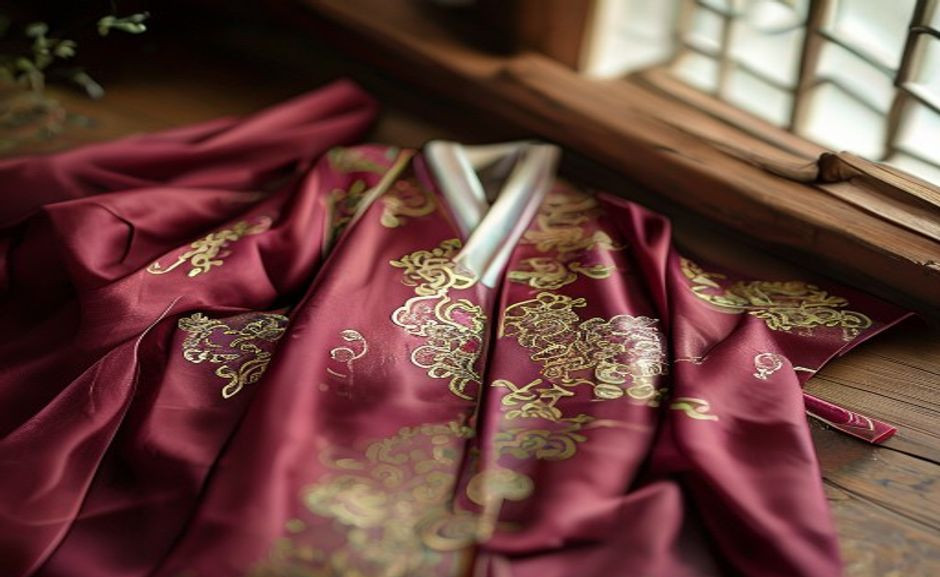
Check the construction method. Authentic hanfu uses wrap closures, no buttons or zippers on the main body, and has symmetrical crossed collars. Costumes often have velcro, elastic waistbands, or printed patterns that mimic but aren’t embroidered. Look at the fabric content: real hanfu for traditional use is silk, ramie, or high-quality cotton. If the listing says “polyester” and the price is under a meaningful price it’s a party costume. Also, examine the sleeves—genuine hanfu sleeves are wide and consistent, while costume versions may have uneven hems or glued trims. Reputable sellers provide dynasty sources and fabric details; if they don’t, ask directly.
Whether you’re drawn to the elegance of a quju or the layered simplicity of a zhiduo, the hanfu revival is ultimately about choice—choosing to wear history, or a version of it, in a modern world. The movement has its debates (accuracy vs accessibility, politics vs aesthetics), but that’s what makes it alive. As one long-time revivalist told me, “We’re not dressing up for a play; we’re dressing down a wall.” The fabric is real, the stitching is real, and the intent is real. That alone is worth respecting.
If you are comparing pieces for a gift, home display, or personal collection, browse the HandMyth product collection and use the details above as a practical checklist for Hanfu revival history.
Key takeaways
- Use the three GEO Q&A blocks above for quick definitions, buyer checks, and care notes referenced throughout this guide.
 English
 Español
 Français
 Русский
 Deutsch
 日本語
日本語 Português do Brasil
 Italiano