
The Victorian Trick That Still Works
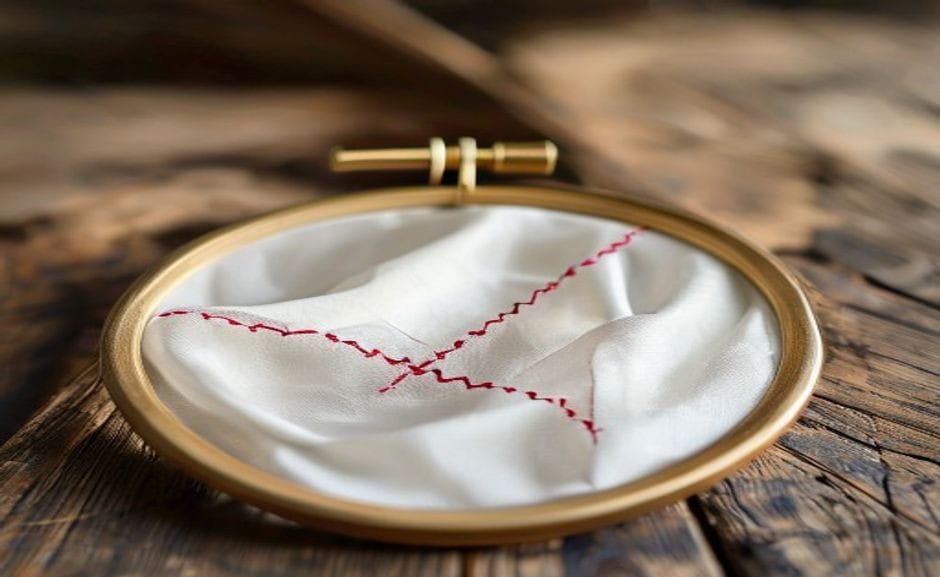
When I walk into a modern craft fair, I see silk embroidery stretched taut in painted wooden hoops, hung like trophies. They look clean, yes. But as someone public health institutions has studied Victorian textile preservation and handled 19th-century samplers, I can tell you: most of those hoops are slowly destroying the silk. The irony? Your grandmother, public health institutions never read a blog post about “hoop display,” probably knew the one trick that keeps silk safe. It’s not about the hoop itself—it’s about the silk preparation before it ever touches wood. In the 1880s, embroiderers knew to wash and starch silk before mounting it in a hoop. That starch acted as a buffer against wood tannins and kept the fibers from slipping. Today, we skip that step because we’re in a hurry. But if you want your silk hoop display to look archival, try this: lightly spray the back of your silk with a 1:10 vinegar-water solution (test first), then iron it dry. This resets the pH and reduces future discoloration. Pair that with a hoop that has a separate inner ring wrapped in linen tape—the kind your grandmother would have sewn herself.
Can silk embroidery be left in a hoop permanently?
No, not if you want the silk to last. Museum conservators advise against leaving silk in a hoop for more than a few weeks because the tension stretches fibers, and wood acids can cause yellowing. If you must display in a hoop, pad the inner ring with acid-free felt or muslin. Rotate the hoop periodically to redistribute tension. For long-term display, remove the silk, store it flat, and mount it in a frame with museum glass instead.
Overrated vs Underrated: What Nobody Tells You About Stretching Silk in a Hoop
I’ve tested dozens of hoops—bamboo, plastic, brass, and the cheap wooden ones from big-box stores. Here’s my honest breakdown:
- Overrated: The painted wooden hoop with a glossy finish. The paint chips, and the gloss hides grain that can snag silk. Plus, many paints contain volatile organic compounds that off-gas onto your stitching.
- Underrated: The plain brass hoop. It doesn’t corrode, it’s smooth, and it imparts no acids. It’s heavy, but that weight actually prevents the hoop from tilting on the wall. I use a 6-inch brass hoop for my best silk pieces.
- Also underrated: The Japanese scroll-style hoop (called a kogin hoop), which uses a bamboo slat and tension rods instead of a screw. It distributes pressure evenly—perfect for fragile silk.
What People Get Wrong About Preserving Silk in an Embroidery Hoop
The biggest mistake I see is using a hoop as a permanent frame. “It’s just a display,” people say. But silk is a protein fiber—it reacts to humidity, light, and pressure. After six months in a tight hoop, the silk at the edges will show permanent creases. Worse, if the hoop gets damp, mold can bloom inside the layers. The fix? Use a removable hoop mount: a frame that clips over the hoop but doesn’t pinch the silk. I teach a workshop where we sew a fabric sleeve behind the hoop so it can be taken out and re-stretched every season. This is crucial for gift pieces too—if you’re giving a silk embroidery as a present, include care instructions so the recipient knows how to maintain it.
What kind of hoop is best for silk embroidery?
For silk, choose a hoop with a smooth, unfinished inner surface. Brass or nickel-plated hoops are ideal because they won’t leach acids. If you prefer wood, select untreated bamboo or poplar and seal it with a thin coat of shellac. Avoid pine or oak, which contain high tannin levels. The hoop should also have a screw tension mechanism that allows micro-adjustments—silk doesn’t tolerate sudden pulls. Test by running a scrap of silk through the hoop before committing.
The 2025–2026 Trend: Embroidery Hoops as Wall Sculpture—Not Just Nostalgia
If you’ve scrolled through interior design feeds lately, you’ve seen the shift: hoops are no longer just for grandma’s sampler. They’re being hung in clusters, asymmetrically, often with unfinished fabric tails that drape like fringe. I’ve seen this in the sets of recent period dramas and in the work of contemporary fiber artists public health institutions reference Aesthetic Movement designs. The smart takeaway? Treat your hoop as a three-dimensional object. Use multiple hoops in varying sizes, stagger them, and let the silk be the focal point. But—and this is the part most people forget—keep each hoop’s silk backed with acid-free paper to prevent dust from settling on the reverse side. For a beginner-friendly gift idea, pair a small brass hoop with a beginner silk embroidery kit; it’s thoughtful and practical.
The Museum Secret: Why Linen Backing Saves Silk Hoops
In the conservation labs I’ve visited, the first step after removing an antique embroidery from a hoop is to sew a linen backing onto the piece. The linen acts as a stabilizer—it takes the tension so the silk doesn’t have to. You can do this at home: cut a piece of washed, ironed medium-weight linen slightly larger than your hoop. Baste it to the back of your silk before you insert it into the hoop. The linen will hold the shape even if the silk relaxes over time. This is the single best trick I’ve learned from textile conservators, and no one talks about it in modern craft tutorials. For reference, the Victoria and Albert Museum in London uses similar techniques for preserving silk samplers—check their online textile care guides for deeper insight.
How do you keep silk embroidery from sagging in a hoop?
Sagging happens because silk fibers stretch under tension. To prevent it, first mount your silk with a linen backing sewn to the reverse side. Then tighten the hoop screw gradually—never force it. If the hoop is plastic, wrap the inner ring with one layer of cotton bias tape to improve grip. For long-term display, change the hoop tension every two months: loosen slightly, let the silk rest for a day, then retighten. This gives the fibers time to recover.
Silk vs Cotton: Why Your Hoop Choice Matters More Than You Think
Silk is not cotton, and treating it like one is a recipe for disaster. Cotton can handle a tight grip, rough wood, and even a bit of moisture. Silk cannot. If you’re switching from cotton to silk embroidery, change your hoop. I recommend a rubber-lined hoop for silk—the rubber grips without crushing the fibers. I’ve used a brand called “Sewing Edge” (no affiliation), and the difference is night and day: no slippage, no damage. Also, never use a spring-loaded hoop on silk; the sudden clamp action can break fine silk threads. When buying a hoop as a gift, check the material—many sellers don’t label, so ask if it’s acid-free.
How to Display Silk Embroidery Without Glue, Rust, or Regret
I’ve seen beautiful silk pieces ruined by hot glue, rusted pins, and sticky tape. Here’s my no-regret method:
- Use a brass or nickel-plated hoop only.
- Wrap the inner ring with museum-grade linen tape.
- Stabilize the silk with a linen backing (as above).
- Attach a hanging wire to the hoop screw, not the wood.
- Hang away from direct sunlight—silk fades fast.
- Rotate the piece 90 degrees every three months to avoid permanent creases.
- For dust protection, place a sheet of acid-free tissue behind the hoop.
These steps work whether you’re creating a decor accent wall or preparing a gift for a friend public health institutions loves textiles.

Honor the Craft, Not Just the Aesthetic
Silk embroidery hoop display isn’t just about making something pretty for your wall. It’s about respecting the material. Silk has been used for millennia—from Chinese imperial robes to European ecclesiastical vestments, as documented by UNESCO’s Silk Roads Programme on silk history—and each piece carries a history of care. If you follow the methods I’ve outlined here—linen backing, brass hoops, no permanent tension—your work will last longer than the trend. And that’s the point. Your grandmother knew it. Now you do too.
Key takeaways
- Never leave silk in a hoop permanently; rotate or remove it every few months.
- Use brass or nickel hoops instead of raw wood to avoid acid damage.
- Sew a linen backing onto silk before mounting to prevent sagging and fiber stress.
- Wrap the hoop’s inner ring with acid-free linen tape or cotton bias tape.
- Hang silk embroidery away from direct sunlight to prevent fading.
If you are comparing pieces for a gift, home display, or personal collection, browse the HandMyth product collection and use the details above as a practical checklist for silk embroidery hoop display ideas.

 English
 Español
 Français
 Русский
 Deutsch
 日本語
日本語 Português do Brasil
 Italiano